
In a remarkable discovery that bridges nearly eight decades of marine research, scientists at the Woods Hole Oceanographic Institution (WHOI) have unearthed what is now believed to be the oldest known recording of a whale’s song. This haunting and evocative audio dates back to March 7, 1949, when researchers aboard the research vessel R/V Atlantis were conducting underwater acoustic studies off the coast of Bermuda. Using early and relatively rudimentary underwater recording equipment, they captured the ethereal sounds of the ocean—waves, ambient noises, and a mysterious vocalization that had long remained unidentified. This unique recording, preserved on a thin plastic disk, had for years languished unnoticed in the archives at WHOI in Massachusetts, until recent efforts brought it back into the scientific spotlight.
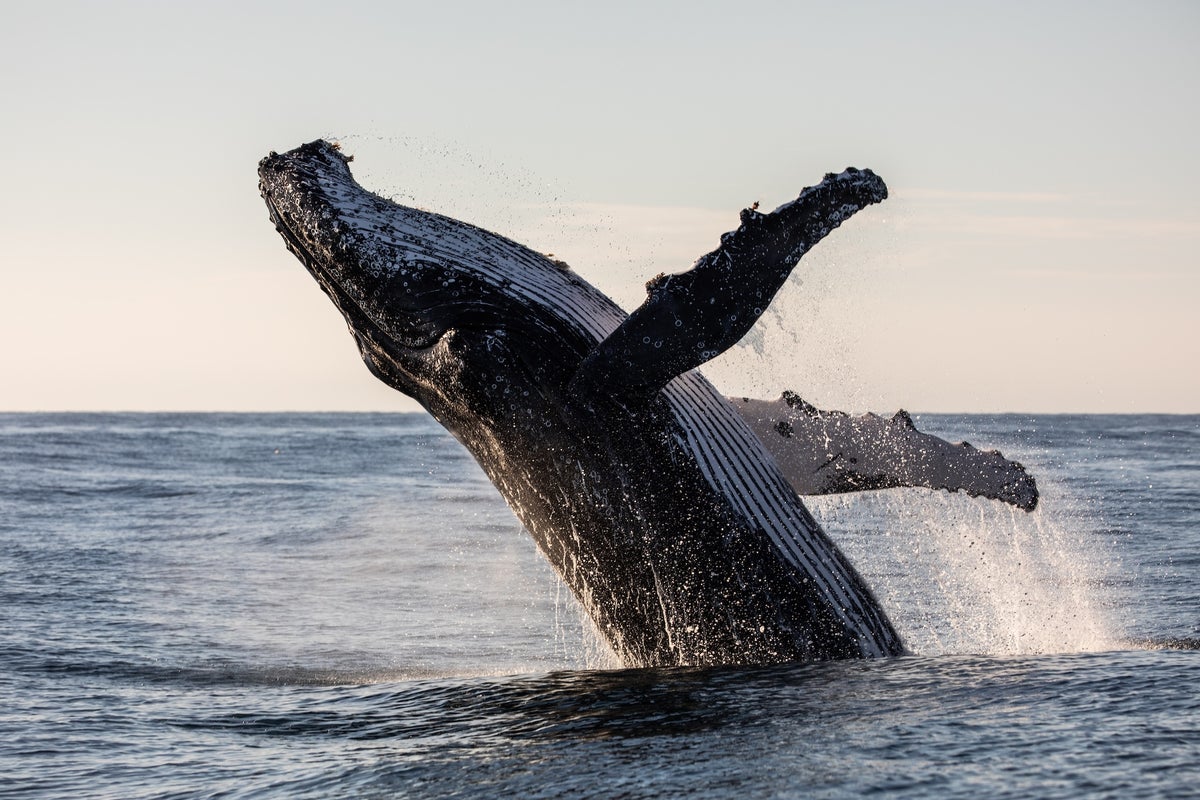
The rediscovered recording has been analyzed by marine bioacousticians, who have concluded that the vocalist is most likely a humpback whale (Megaptera novaeangliae). This revelation holds significant importance not only because of the rarity of such archival material but also due to the insights it can provide into the acoustic lives of whales over time. Laela Sayigh, a marine bioacoustician at WHOI, emphasized the value of this discovery by noting that data from this early period are exceedingly rare. The recording offers a unique baseline to understand how humpback whale sounds have evolved in the decades since it was made, and it may also shed light on the impact of increasing human activity on the ocean’s soundscape.
The historical context of this recording is poignant. During the mid-20th century, humpback whales in the North Atlantic Ocean were drastically declining due to intensive commercial whaling. By around 1955, their numbers were estimated to have dropped below 1,000 individuals—a stark contrast to today’s populations, which are believed to be at least 20 to 25 times greater, based on more recent though still incomplete censuses. The recording thus captures a snapshot of the species at a critical moment when they were under severe threat, providing an acoustic window into an era when their survival was precarious.
Humpback whales are renowned not only for their complex and beautiful songs but also for their impressive migratory patterns. These majestic marine mammals inhabit all the world’s oceans and undertake one of the longest migrations of any mammal, traveling some 5,000 miles annually. They journey from tropical breeding grounds to colder, nutrient-rich waters where they feed on krill and small fish. Their feeding method is distinctive: they filter their food through baleen plates—comb-like structures in their mouths that allow them to sieve vast quantities of seawater while trapping prey.
Despite the population recovery since the days of commercial whaling, humpbacks and other marine species continue to face significant challenges. Increasing shipping traffic, water pollution, and particularly noise pollution in the oceans threaten their ability to communicate effectively. Humpback whales rely heavily on their songs to maintain social bonds, navigate, and find mates. Human-generated noise can interfere with these vital acoustic signals, potentially disrupting their behavior and survival.
The rediscovery of this early whale recording is therefore not just a historical curiosity but a valuable scientific resource. By comparing the 1949 audio with contemporary recordings, researchers can explore how whale vocalizations have changed over time in response to environmental pressures and human influences. It may also aid conservation efforts by deepening our understanding of humpback whale communication and the broader marine soundscape.
This breakthrough was reported by Meghan Bartels, a seasoned science journalist based in New York City who joined Scientific American in 2023 as a senior reporter. Bartels brings a wealth of experience covering space and Earth sciences, having previously worked for Space.com and Newsweek, and her work has appeared in various prestigious publications. Her reporting highlights not only the scientific significance of the discovery but also the ongoing importance of supporting rigorous science journalism.
Scientific American, where this story was published, has a long-standing history as a champion of scientific inquiry and education, spanning 180 years. In today’s challenging climate for science and research, the publication urges readers to subscribe and support its mission. Subscriptions help ensure the continuation of in-depth coverage of critical research and discoveries, the protection of scientific institutions, and the promotion of science literacy, especially at a time when the value of science is sometimes questioned or overlooked.
In summary, the rediscovery of the oldest known whale recording from 1949 is a landmark event for marine biology and acoustic research. It offers