
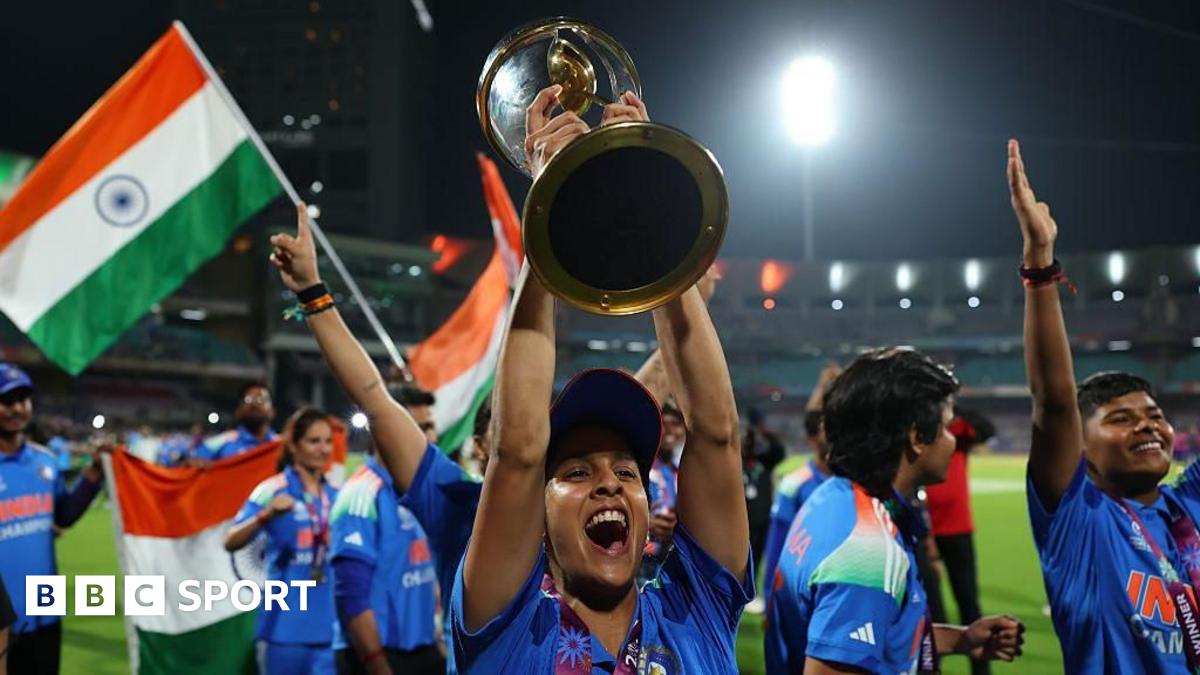
India's triumphant victory in the Women's Cricket World Cup has ignited a wave of celebration and hope across the nation, marking a historic moment in the sport’s history and for women's cricket globally. The final, held at Navi Mumbai's DY Patil Stadium, was a spectacle of passion, perseverance, and progress, culminating in India’s first-ever Women's World Cup win after enduring heartbreak in three previous finals across different formats.
The atmosphere in Navi Mumbai the morning after the victory was electric yet returned to a semblance of normalcy. The city’s streets were alive with the sounds of horns and bustling coffee shops, but for those who witnessed Harmanpreet Kaur lifting the trophy in front of tens of thousands of fervent supporters, the day was anything but ordinary. The stadium had transformed into a blue sea of fans, a colosseum celebrating their champions in a way that felt both momentous and deeply emotional.
The final match itself faced challenges from the start. A heavy downpour threatened to disrupt the event, delaying the start and casting a shadow over the eagerly anticipated showdown with South Africa. However, the rain could not dampen the spirit of the Indian team or their supporters. As Deepti Sharma claimed the final wicket, sealing the victory, the stadium erupted in jubilation. The celebrations extended well past midnight, with a trophy parade and throngs of fans needing police assistance and barricades to safely navigate the exuberant crowds.
This victory, while a fairy tale ending, also serves as a catalyst for change in Indian women’s cricket. Yet, it also highlights the ongoing challenges that women and girls in India face daily, from limited access to education and sports opportunities to societal barriers. The transformation of attitudes and opportunities for women in sport will not happen overnight, but this win has sown seeds of hope and possibility.
One poignant example is Shafali Verma, one of India’s youngest stars at just 21, who had to disguise herself as a boy to enroll in a cricket academy during her childhood. Her story symbolizes the hurdles female athletes often face in traditional societies. Yet, this victory has created a sense of inevitability about future successes, promising greater investment in women's cricket and inspiring more girls and their families to dream big.
The establishment of the Women's Premier League (WPL) in 2023 has played a significant role in accelerating growth and interest in women's cricket in India. The league has increased visibility, professionalism, and audience engagement, all of which contributed to the heightened attention on the World Cup tournament. The journey to the championship was not without imperfections, but it demonstrated the immense potential of women's cricket to captivate audiences and foster national pride.
Despite the electrifying final and the surge of enthusiasm, the tournament itself faced organizational challenges. Upon arrival in India, many visitors and even locals were unaware that a World Cup was underway. Publicity was sparse, with only occasional billboards near airports and venues hinting at the event. Airport staff often had to be informed that the “Cricket World Cup” in question was the women's tournament, reflecting the still-limited recognition of women's cricket compared to the men's game.
Attendance mirrored this disparity. While matches featuring India drew sell-out crowds, other games, even those involving strong teams like England and Australia, struggled to fill stands. Matches in cities such as Indore, Visakhapatnam, and Navi Mumbai saw vibrant attendance only when the Indian team played. This uneven turnout highlighted the need for better promotion and scheduling to build a broader fan base for women's cricket.
One factor complicating the tournament was its timing during India’s monsoon season. Five out of eleven games were washed out due to heavy rains, significantly impacting teams like Pakistan, Sri Lanka, and New Zealand. The scheduling of matches in the late afternoon, precisely when downpours were most likely, raised questions about the planning process. Attempts to get explanations from the International Cricket Council (ICC) about why matches could not start earlier went unanswered, reflecting frustrations over these avoidable complications.
The choice of venues also drew criticism. Many were difficult to access and struggled to attract large crowds outside of the Indian team’s matches. However, the DY Patil Stadium, with a capacity slightly over 45,000, proved a fitting stage for the final, with demand for tickets far exceeding availability. The passion for the game is clearly present in India, and the challenge now is to nurture and sustain it.
The tournament’s lack of surprises and dramatic upsets, often