
)
Gilgit-Baltistan, a mountainous region in northern Pakistan, is currently facing a severe wheat shortage that is disrupting daily life and fueling growing frustration among its residents toward the federal government in Islamabad. Over recent weeks, subsidized wheat—a crucial staple, especially during the harsh winter months—has become scarce and difficult to obtain. Long queues form outside ration shops in towns such as Gilgit, Skardu, and Hunza, with people arriving early in the morning carrying empty bags and ration tokens, hoping to secure their share. However, many days end with insufficient supplies, leaving families uncertain about their next meal.
Local traders confirm that the scarcity has driven up market prices significantly, putting wheat out of reach for many households already struggling with limited incomes. This shortage is not viewed as a mere logistical failure by the community; rather, several civil society groups and residents argue that it represents a broader, systemic pattern of neglect. Gilgit-Baltistan, which lacks full political rights and constitutional recognition within Pakistan, is often the first to experience resource shortages and the last to recover from them. “Whenever resources run short, this region gets hit first and recovers last,” said a shopkeeper from Skardu, highlighting a longstanding grievance.
Compounding the food crisis, the region is also battling crippling electricity outages. Many neighborhoods endure prolonged power cuts lasting most of the day. This energy shortage severely affects businesses that depend on refrigeration and heating, causing many to struggle to stay operational. Students preparing for important exams complain about having to study by candlelight, despite Gilgit-Baltistan being home to some of Pakistan’s vital hydropower resources. Residents see this paradox as emblematic of deeper governance failures.
At the heart of these problems lies Gilgit-Baltistan’s ambiguous political and administrative status. The region is not formally part of Pakistan’s constitution; it lacks representation in the National Assembly and Senate and does not have access to the Supreme Court. Decisions concerning land, water, and revenue are made by authorities far removed from the local populace, leaving them with little control over their own affairs. Many locals now openly describe the governance system as extractive—taking resources from the region without adequately reinvesting or addressing local needs.
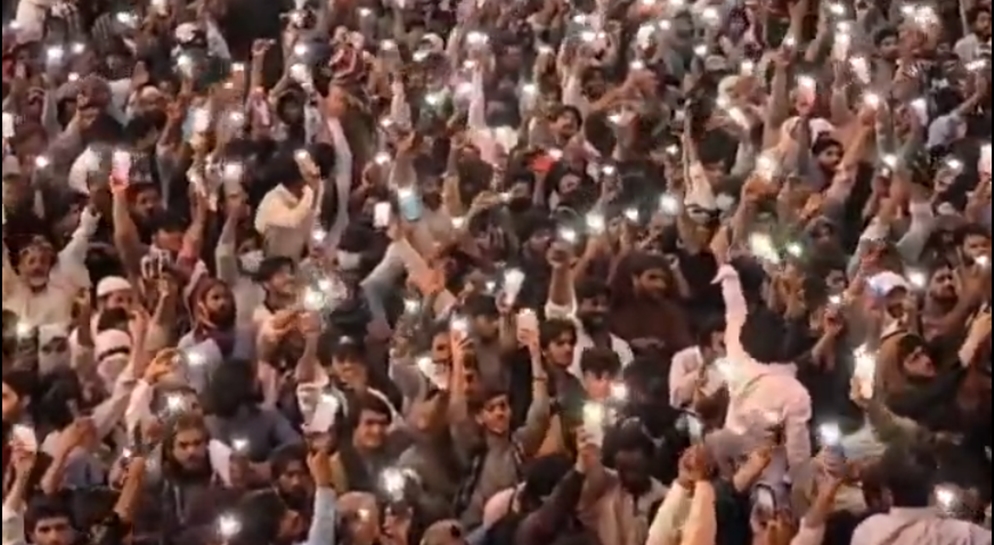
Civil society organizations point out that the current wheat shortage crisis could have been averted had federal authorities responded promptly to early warnings from local administrations. Multiple alerts about dwindling grain stocks were reportedly ignored or met with reassurances and excuses about transportation delays. Instead of increasing shipments to the region, officials maintained routine but ineffective responses. As the shortage deepened, public frustration boiled over into street protests across Gilgit-Baltistan. Videos circulating from the area show men and women holding placards demanding the restoration of subsidized wheat supplies and transparency about the irregular distribution.
Elderly residents have recounted the distressing experience of returning from ration shops empty-handed for consecutive days—an occurrence rare even in previous difficult years. Protesters link the food crisis to a broader pattern of neglect and exploitation by Islamabad, citing issues such as land acquisition for dams and road corridors without fair compensation, the export of locally generated hydropower to other provinces while their own homes remain without electricity, and the announcement of major development projects without meaningful consultation with local communities.
This sense of marginalization is deeply felt, especially given the region’s strategic importance and natural wealth. Gilgit-Baltistan’s abundant rivers and mountainous terrain are crucial for Pakistan’s hydropower generation and are key to the China-Pakistan Economic Corridor (CPEC), a flagship regional development project. Yet residents feel sidelined and underserved, treated as a peripheral region despite their contribution to the country’s economy and energy needs.
The political dispute over Gilgit-Baltistan also features prominently in the broader India-Pakistan conflict. India maintains that Gilgit-Baltistan is part of the Union Territory of Jammu and Kashmir, according to the 1947 Instrument of Accession. New Delhi has criticized Pakistan’s governance of the region, particularly in terms of resource diversion and the social impact of infrastructure projects linked to CPEC. The current shortages have drawn fresh attention to the living conditions of people under Pakistani administration.
For the families living in Gilgit-Baltistan, the immediate concern remains straightforward yet urgent: securing enough wheat to sustain them through the week. With winter’s cold tightening its grip and no clear, effective plan forthcoming from Islamabad, there is widespread fear that the crisis will worsen before any improvement takes place. Calls for patience have fallen on