
On October 2025, Hurricane Melissa emerged as one of the most powerful and remarkable storms ever recorded in the Atlantic Ocean, captivating meteorologists and climate scientists alike due to its extraordinary intensity and prolonged strength. This storm's rarity and devastating impact offer a clear example of how tropical cyclones are evolving in the context of a warming planet, highlighting the increasing threat posed by climate change to coastal communities and ecosystems.
Hurricane Melissa was not just any hurricane; it reached Category 5 status, the highest classification on the Saffir-Simpson scale, which denotes sustained wind speeds exceeding 157 miles per hour. What made Melissa particularly astonishing was that it surpassed this threshold significantly, attaining peak winds of 185 miles per hour. To put this in perspective, only around 45 Category 5 hurricanes have been recorded in the Atlantic since systematic recordkeeping began in 1851, making Melissa’s strength a rare meteorological phenomenon. Moreover, it was the third Category 5 storm in the 2025 hurricane season alone, a number only previously matched during the infamous 2005 season, which included devastating storms like Katrina and Rita.
Meteorologists were struck not only by Melissa’s exceptional wind speeds but also by its structural perfection. The storm exhibited a textbook symmetrical form, a hallmark of particularly intense hurricanes, and it maintained this peak intensity for over 24 hours—a duration that is highly unusual for storms of such magnitude. Typically, hurricanes at this strength undergo internal changes that cause fluctuations in intensity, often weakening temporarily before possibly gaining strength again. However, Melissa defied this norm, sustaining its ferocity without interruption.
Adding to its extraordinary nature was Melissa’s interaction with land. As it approached and passed near Jamaica, some of the storm’s outer rain bands made contact with the island. Normally, friction from landmasses disrupts hurricanes, causing them to weaken. However, Melissa seemed almost indifferent to this interaction, maintaining much of its power despite the land friction. While it did reduce to a Category 3 hurricane after crossing Jamaica, the storm’s ability to retain such strength near and over land was described by experts as "stupefying," underscoring its exceptional nature.
Interestingly, the 2025 hurricane season had felt relatively quiet for many people, especially in the United States, because fewer storms made landfall there. Many tropical cyclones developed and remained over open water or primarily impacted Caribbean nations. The overall energy of the season was about average, with slightly fewer storms than initially forecasted. Yet despite this seeming calm, the presence of multiple intense hurricanes, including Melissa, highlighted a shift in storm patterns and intensities that scientists observe with growing concern.
Hurricane Melissa’s intensity is also notable when considering central pressure—a key indicator of storm strength. The hurricane’s central pressure dropped to 892 millibars, placing it among the six strongest Atlantic storms ever recorded by this measure. For context, the average sea-level pressure is around 1,000 millibars, and pressures below 900 millibars are extremely rare and typically signal a catastrophic storm. This low pressure contributed to the storm’s immense power and destructive potential.
The scale and intensity of Melissa raise important questions about the future of hurricanes in a warming world. While storms of Melissa’s caliber will likely remain relatively rare in the Atlantic, scientific evidence indicates that such extreme events are becoming less uncommon than they once were. Climate change, driven by rising global temperatures, is altering the conditions that fuel hurricanes. Warmer ocean waters provide more energy for storm formation and intensification, while higher sea levels exacerbate the dangers of storm surges. Additionally, a warmer atmosphere can hold more moisture, leading to heavier rainfall and increased flooding risks during hurricanes.
This evolving dynamic means that hurricanes today tend to be stronger on average than in previous decades. The distribution of storm intensities is shifting, with a greater proportion of storms reaching Category 3, 4, or 5 levels. Even Category 1 hurricanes, which are the weakest classification, can now cause more damage than in the past because they draw more energy from warmer oceans and produce higher storm surges due to elevated sea levels. Moreover, increased atmospheric moisture means flooding rains are often more intense, compounding the destructive effects of these storms.
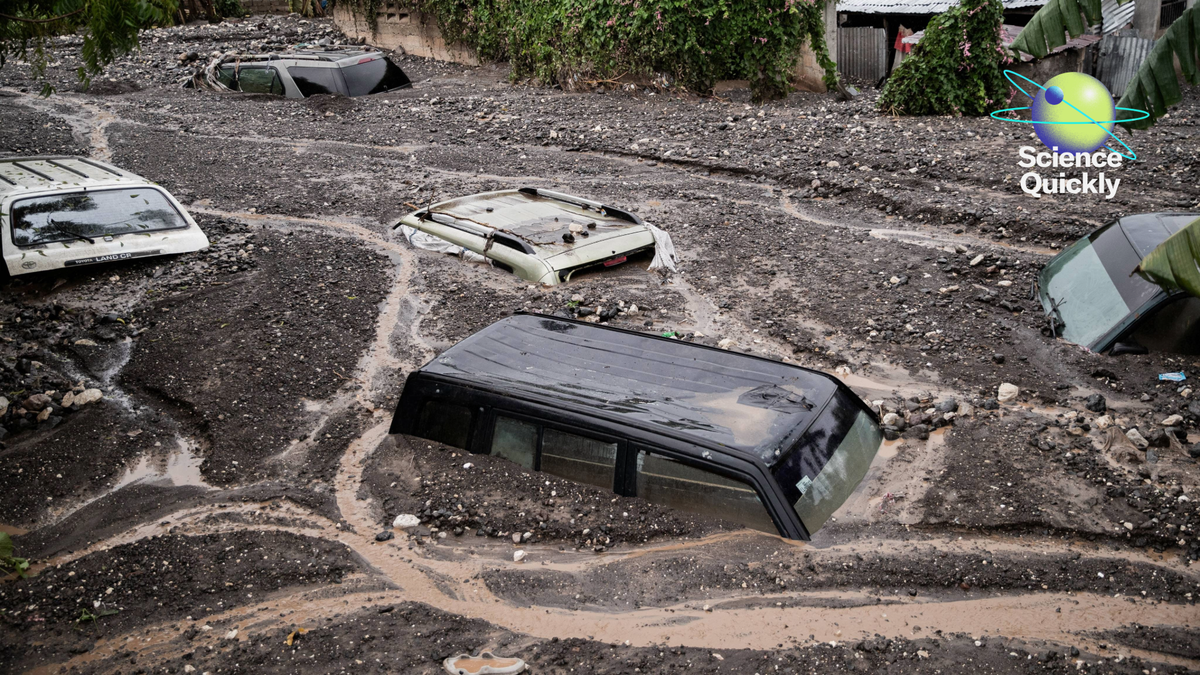
The human and environmental toll of Hurricane Melissa has been severe, particularly in Jamaica and Haiti. In Jamaica, the storm caused widespread devastation across communities, with some areas nearly wiped off the map. Images from the aftermath reveal homes stripped of roofs