
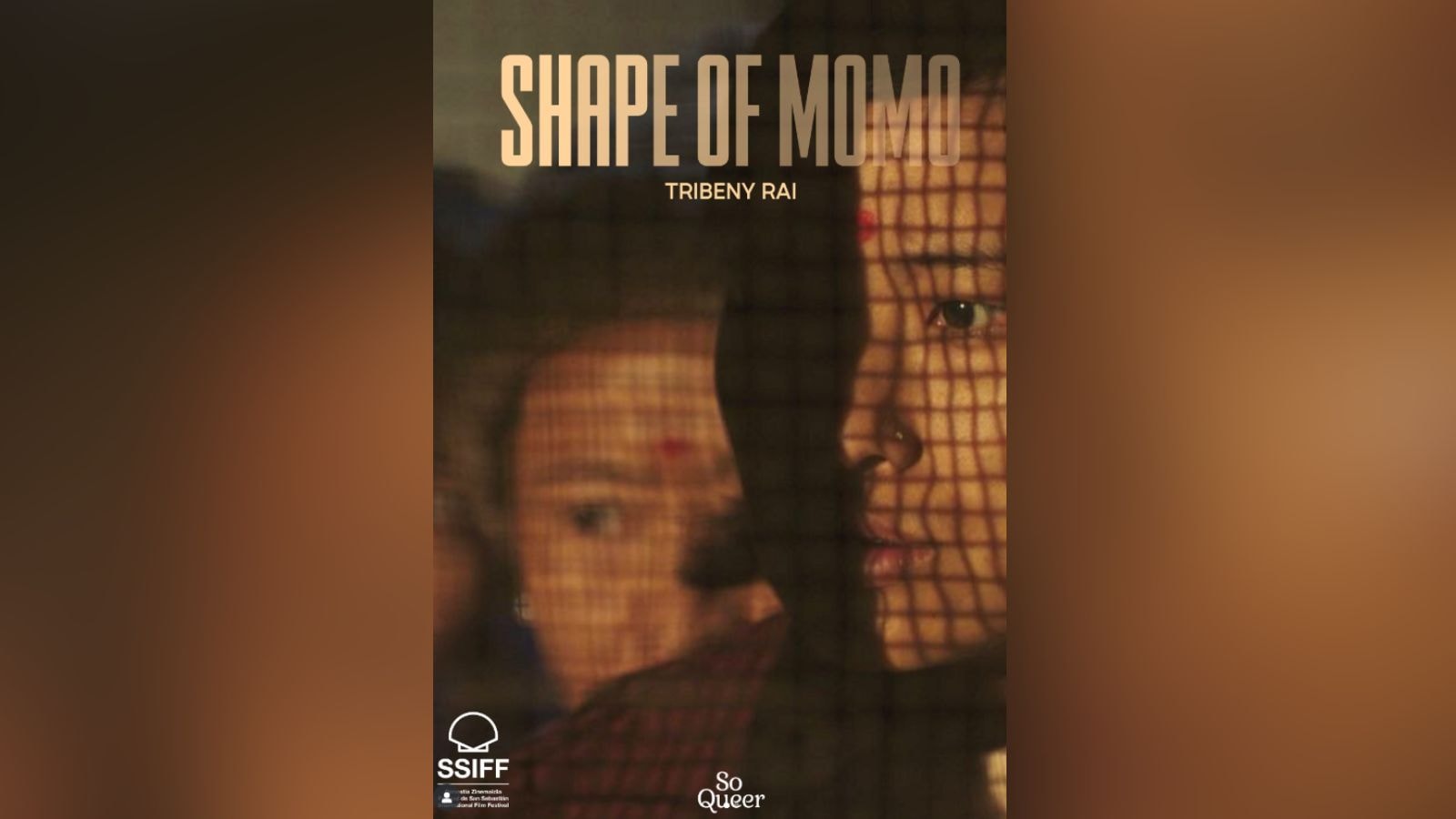
Tribeny Rai, a writer-director and graduate of the prestigious Satyajit Ray Film and Television Institute (SRFTI) in Kolkata, has made a significant mark with her Nepali-language feature film, Shape of Momo. The film is currently competing at the International Film Festival of India (IFFI) in Goa for two major awards: Best Debut Director under the Indian Panorama’s feature category and Best Debut Feature Film of a Director in the International Competition. This recognition is a testament to Rai’s unique storytelling and her bold choice to explore a regional narrative that is rarely represented in Indian cinema.
Shape of Momo is set in a small village in Sikkim, a choice that presented both challenges and rewards for Rai. She acknowledges that filmmakers often hesitate to tell stories from diverse regions due to financial constraints and the difficulty in finding a broad audience. The Nepali film industry, in particular, lacks an established market, which can make projects like hers appear risky or unmarketable. Nevertheless, Rai was determined to bring this story to life, motivated by a deep personal connection to the region and its people. Her decision to shoot the film in her own village, Nandok, located about 20 kilometers from Gangtok, added an authentic feel to the project. Rai used not only her home as a filming location but also the natural surroundings she knows intimately. For example, the running route of the film’s protagonist, Bishnu, is the same route Rai takes herself, and even the protagonist’s room is modeled after Rai’s own.
The film follows Bishnu, a 32-year-old woman who returns to her village after leaving her job in the city. Living with her grandmother, mother, and pregnant sister, Bishnu grapples with the traditional expectations placed upon her while trying to hold onto her sense of independence. Her friendship with Gyan, a local architect, introduces new possibilities and perspectives, but she continues to face the pressures of family and society. The narrative is loosely autobiographical, reflecting Rai’s own experiences growing up in a household without a male figure after her father passed away when she was young. Raised alongside her three sisters by their mother, Rai understood the unique pressures faced in such an environment, which she subtly weaves into Bishnu’s story.
Developing the screenplay was a collaborative and evolving process. Rai began working on the story soon after graduating from SRFTI in 2015 but only dedicated herself fully to the project five years later. Around that time, Kislay Kislay joined as co-writer, bringing a fresh perspective and objectivity to the script. Rai admits that her initial draft was somewhat like a “complaint letter,” heavily subjective and emotional. Kislay, who had spent time in Sikkim, helped shape the narrative into a more balanced and critical portrayal, especially of Bishnu, who is depicted as a complex character with flaws such as class-consciousness and stubbornness. Rai was particularly keen to challenge the stereotypical portrayals of hill communities as “simpletons,” emphasizing that people from these regions, like all humans, are multifaceted and nuanced.
The film’s development and eventual success have been supported by a network of like-minded collaborators and institutions. Rai credits her film school friends for believing in her vision and providing encouragement throughout the process. Shape of Momo gained considerable momentum after participating in the Work-in-Progress Lab at the National Film Development Corporation’s (NFDC) Film Bazaar last year, where it won the top prize. Additionally, it received the Hong Kong-Asia Film Financing Forum Goes to Cannes award, which helped the film gain visibility and attract further support. These accolades were pivotal in shaping the film’s final form and securing its place on the international festival circuit.
Despite the demands of promoting Shape of Momo at various festivals, Rai remains dedicated to her craft and future projects. While she hasn’t had much time to contemplate her next directorial venture, she is involved as a co-producer in Kislay Kislay’s upcoming feature, A Death Foretold, currently in the co-production market at the WAVES Film Bazaar. Rai’s commitment to regional cinema and storytelling continues to grow through such collaborations.
When not traveling for work, Rai prefers to spend her time in her village, where she finds a creative haven free from the pressures of constant production. She describes this environment as conducive to writing and reflection, although it comes with its own challenges. Being at home often leads others to assume