
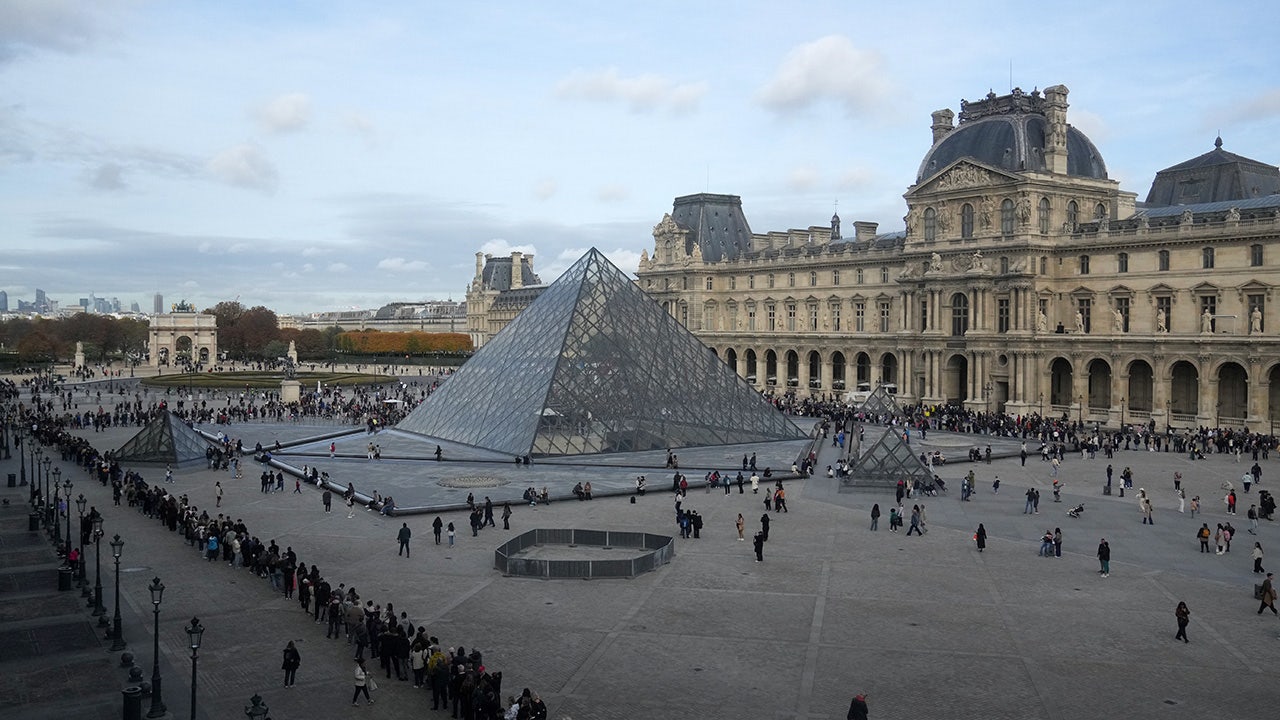
In a startling incident that has rocked the art and security worlds alike, thieves recently made off with over $100 million worth of priceless jewels from the renowned Louvre Museum in Paris, France. This audacious heist not only shocked the global community but also exposed glaring vulnerabilities in the museum’s cybersecurity and physical security measures—weaknesses that experts say should never have existed in such a prestigious institution.
At the heart of the security failure was a surprisingly basic yet critical mistake: the use of weak, easily guessable passwords for the museum’s surveillance systems. According to French media reports, the Louvre once used its own name, “Louvre,” as a password to access its security cameras. Even more astonishing, another password associated with the system was allegedly “Thales,” and one of these was reportedly visible right on the login screen. Such lapses are akin to leaving the keys to a highly secured vault under the doormat, a careless oversight that made it easier for the criminals to bypass digital defenses.
Further compounding the problem, a decade-old cybersecurity audit revealed that the Louvre had been running outdated software—specifically Windows Server 2003—long past its prime and no longer supported with security updates. This left the system vulnerable to cyberattacks and other intrusions. Additionally, the museum’s rooftop access was left unguarded, a chink in their physical security armor that the thieves exploited by using an electric ladder to reach a balcony and gain entry. These combined failures paint a picture of a security setup that had not kept pace with evolving threats, despite the priceless nature of the assets it was meant to protect.
Efforts to contact the Louvre for comment on these revelations went unanswered before publication deadlines, but the museum’s director has reportedly been questioned about the spectacular security failures, including the fact that surveillance cameras were pointed away from crucial access points such as the balcony used in the heist. This glaring oversight further illustrates how even iconic institutions can falter when it comes to implementing comprehensive and effective security protocols.
While the Louvre may have since taken steps to bolster its defenses, cybersecurity experts warn that the kinds of password weaknesses exposed by this incident remain widespread—not only in major organizations but also among everyday users. People and businesses frequently rely on simple, repeated passwords, leaving themselves vulnerable to cybercriminals who capitalize on predictable login credentials to steal sensitive information or commit fraud.
The timing of this breach is particularly concerning as it coincides with the holiday shopping season, a period when millions of people are logging into online accounts, making purchases, and often reusing old passwords. Cybercriminals intensify their efforts during this time, exploiting weak security habits to launch phishing attacks, identity theft schemes, and data breaches.
This incident serves as a stark reminder that digital security is not just a concern for museums or large organizations with valuable artifacts. Everyone has digital assets worth protecting—from personal data and financial information to one’s entire online identity. Strengthening password security is a fundamental step in defending against cyberattacks.
Experts recommend several practical measures to improve your digital defenses. First, consider all your connected devices beyond just your phone or computer. Your Wi-Fi router, smart home devices, and even security cameras often come with default or weak passwords that hackers can exploit. Changing these to strong, unique passwords is essential.
Managing dozens of different passwords can seem daunting, but password managers offer an effective solution. These tools generate complex, unique passwords for every account and securely store them in an encrypted digital vault. This eliminates the risky practice of password reuse and makes it easier to manage multiple credentials. Many password managers also include breach detection features that alert users if their information appears in known data leaks, enabling timely password changes before cybercriminals can take advantage.
Another recommended step is to check whether your email addresses have been involved in previous data breaches. Services integrated into top-rated password managers can scan for such exposures, helping you identify and secure vulnerable accounts promptly. If you find that your credentials have been compromised, change those passwords immediately, and ensure that new passwords are unique and strong.
The Louvre jewel heist adds to a growing list of high-profile museum security breaches that have sent ripples through the global cultural heritage community. These incidents spotlight the critical need for museums and similar institutions to modernize their security strategies continually, both physically and digitally, to protect irreplaceable treasures.
For individuals, the lesson is clear: cybersecurity vigilance is crucial. Simple mistakes, like using easy passwords or neglecting to update software, can lead to