
As the COP30 climate change conference in Brazil draws to a close, students at the University of Leicester have taken climate action into their own hands by organizing a “Mock COP” event. This student-led conference, held on Wednesday, gave participants the opportunity to step into the roles of world leaders, representing different countries, delivering speeches, and negotiating international agreements aimed at tackling the climate crisis.
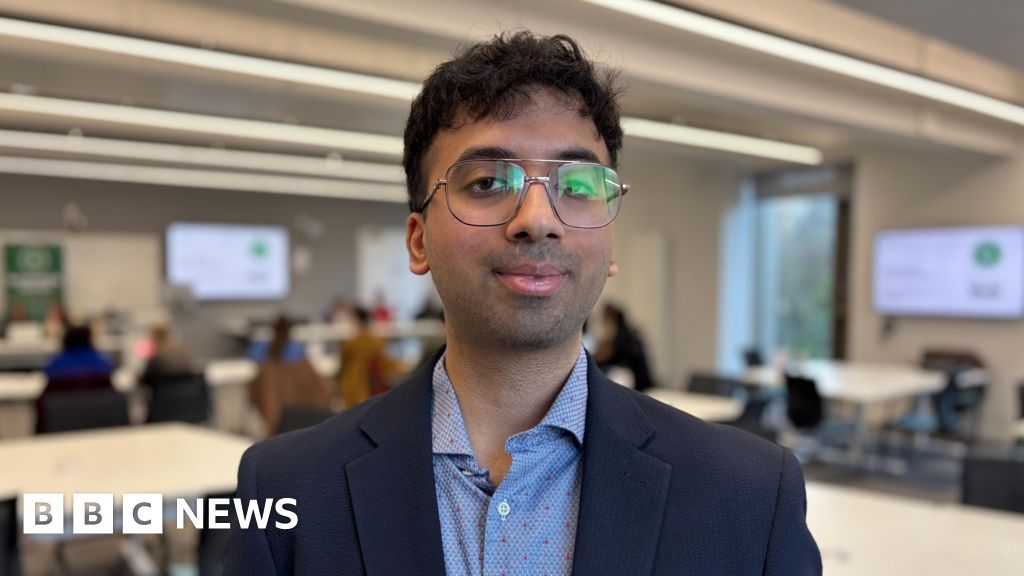
The event was spearheaded by Mohammed Siddiqui, a PhD engineering student and chair of the university’s student union sustainability council. Siddiqui emphasized the importance of empowering young people to engage with climate governance. “As our generation is going to inherit the next era of decision-making, governance... we want to ensure we have a planet we can sustain but future generations can sustain as well,” he said. The Mock COP provided a platform for students to understand the complexities of international climate negotiations firsthand, helping them grasp the challenges and responsibilities involved in global climate leadership.
One participant, Andrew Alvedro, a human geography student who represented Spain, described the feelings many young people have about climate change today. He spoke of “an air of anxiety” mixed with a “sense of disillusionment” among his peers. He noted that some of his friends were unfamiliar with the term “COP,” which he found concerning. “I think that kind of shows some of us are just sticking our heads in the ground,” he said. Despite this, Alvedro expressed cautious optimism about the future. “We know the science, we have the technology to deal with this crisis and yet instead of dealing with it, we’re going in loops and circles,” he explained. “We need to sort out the politics because the science has already worked itself out.” His comments highlighted the frustration many feel that despite clear scientific evidence and available solutions, political will remains lacking.
This year marks a significant milestone: it has been a decade since the landmark Paris Agreement was reached at COP21 in 2015. The agreement set a global target to limit the rise in average global temperatures to 1.5 degrees Celsius above pre-industrial levels, in order to avoid the worst impacts of climate change. However, UN Secretary-General António Guterres has warned that exceeding this temperature threshold is now unavoidable. In fact, 2024 marks the first year the 1.5C limit has been breached for an entire year, signaling an urgent need for more ambitious climate action worldwide.
Nour El Imane Boubekeur, a student of French and English law who represented France at the Mock COP, shared mixed emotions of anxiety and hope. “I’m feeling pretty anxious but also I have some hope in humanity,” she said. She reflected on the historic success of the Paris Agreement as a reason to remain hopeful that meaningful change is still possible. “We managed to do big agreements like the Paris Agreement of 2015, so I’m still hoping we’re not completely lost.” However, she stressed the urgency of the moment: “We can still make some changes but we need to make those changes right now if we don’t want to live in a nightmare.”
James Charlton, a politics and international relations student who acted as the Australian delegate, echoed these sentiments. He reflected on how discussions about climate policy in the coming decades are deeply personal for young people like him. “When we have these discussions about what’s going to happen in 20 years, 30 years, 50 years, I end up thinking – that’s my life, that’s the world that I’ve got to live in,” he said. Charlton noted that many young people are eager and willing to dedicate themselves to improving the future, highlighting the role of youth activism and engagement in driving climate progress.
Exchange student Patrizia Szewernoha from Germany chose to represent the United Kingdom during the Mock COP to learn more about UK climate policies. She expressed sadness and disappointment at the actions, or lack thereof, of some world leaders. Reflecting on the broader international climate negotiations, she observed that most countries failed to submit updated plans detailing how they intend to reduce their emissions of greenhouse gases ahead of COP30. “Sometimes it feels like they kind of put those problems on our generation, that it’s not going to be a problem for them,” she said. This sense of intergenerational injustice is a common theme among young climate advocates, who feel burdened by the consequences of decisions made by older generations.
The Mock COP and the reflections of these