
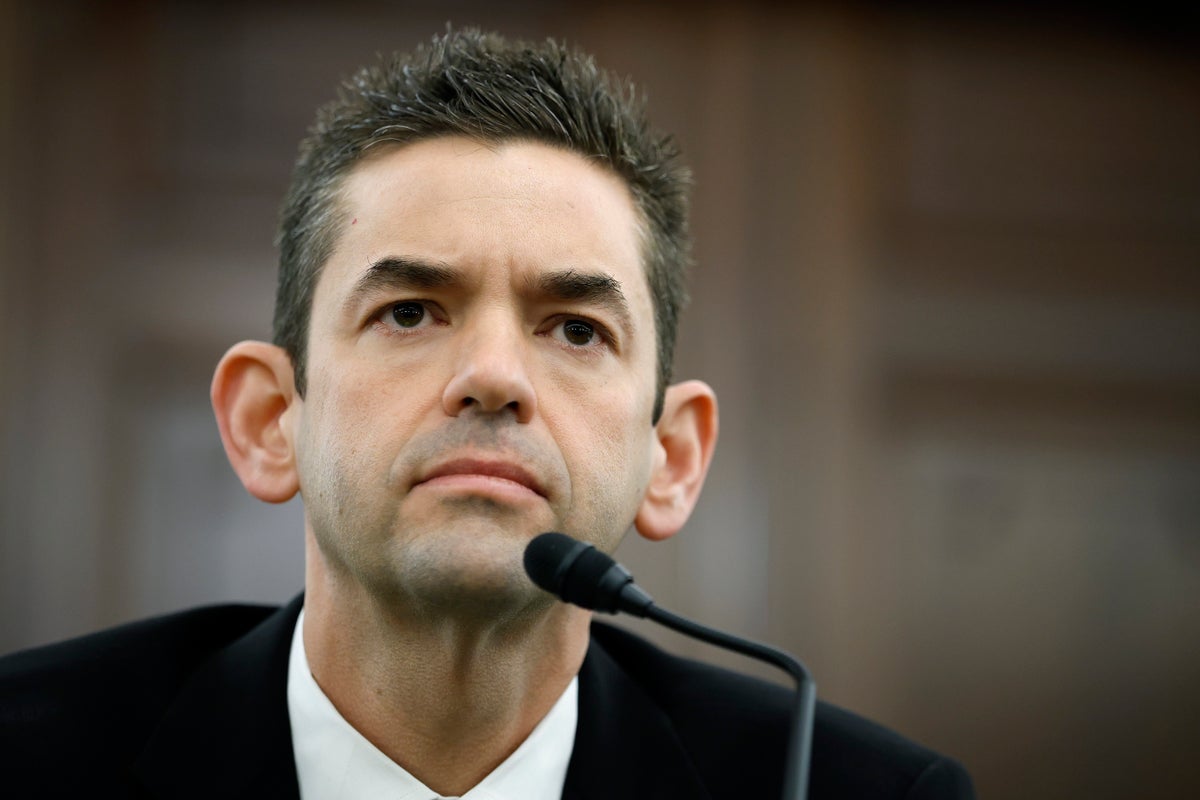
On November 5, 2025, a significant development unfolded in the future direction of the United States’ space exploration agency, NASA, as President Donald Trump announced the renomination of billionaire entrepreneur and private astronaut Jared Isaacman to serve as the agency’s next administrator. This move reignited a contentious debate surrounding NASA’s leadership and strategic priorities, spotlighting internal conflicts and the broader challenges facing the agency amid changing political and technological landscapes.
Jared Isaacman, 42, is known for his close ties to SpaceX and its founder Elon Musk, with whom he has flown on two space missions. Notably, in 2024, Isaacman participated in a historic commercial spacewalk, marking a milestone in private sector involvement in human spaceflight. His initial nomination by President Trump came last year but was abruptly withdrawn in May 2025 due to concerns over Isaacman’s prior donations to Democratic political figures. This withdrawal also reflected the strained relationship between Trump and Musk at the time. However, the recent renomination suggests a thawing in relations, with Trump praising Isaacman’s passion for space exploration, astronaut experience, and commitment to advancing the new space economy.
Isaacman responded to the renomination with gratitude, expressing appreciation to both Trump and the space community, signaling his readiness to lead the agency. His return to the nomination process has occurred amid an ongoing power struggle within NASA’s upper echelons. Sean Duffy, the Secretary of Transportation and acting NASA administrator, has been reported to be seeking to bring NASA under the Department of Transportation’s control while maintaining his leadership over the agency. This political maneuvering raises questions about the agency’s autonomy and future direction.
Adding fuel to the debate, a leaked 62-page internal document known as the “Project Athena” memo—allegedly authored by Isaacman and shared with senior administration officials—outlined an ambitious and controversial vision for NASA’s restructuring. The memo proposed radical changes, including reorganizing NASA’s research centers nationwide, outsourcing parts of its scientific work, and discontinuing the Space Launch System (SLS) rocket after the third Artemis lunar mission. The document also called for pioneering the development of nuclear-electric propulsion technologies to enable human missions to Mars and expanding public-private partnerships to enhance cost-effective interplanetary science missions.
Isaacman publicly defended the Project Athena recommendations, particularly pushing back against criticisms that the plan would diminish NASA’s role in Earth observation and climate research. Instead, he framed the proposal as a way to supplement NASA’s Earth science capabilities using data from commercial satellite providers. He emphasized that the memo was a work in progress aimed at reforming an agency that has historically faced criticism from the Government Accountability Office for inefficiency and bureaucracy.
Experts following NASA’s developments see Isaacman’s nomination as a reflection of the broader political and operational challenges the agency faces. Keith Cowing, a noted space analyst and former NASA employee, remarked that Isaacman’s predicament arose largely from political disputes not of his own making. Despite the earlier withdrawal of his nomination, Isaacman maintained professionalism and continued his work in the space sector, earning respect for his resilience and strategic vision.
Lori Garver, who served as NASA’s deputy administrator during the Obama administration and reviewed the Project Athena document, observed that many of Isaacman’s proposed reforms mirror ideas her own team had considered during the 2008 presidential transition. She acknowledged that while the outlined changes could disrupt entrenched contractor relationships and upset some congressional stakeholders, they align with longstanding calls for greater efficiency and innovation within NASA. However, she expressed uncertainty about whether Congress would permit significant cuts to large programs like the SLS rocket, given their political and economic importance.
A critical concern voiced by Garver and others centers on NASA’s role in climate research, which forms part of the agency’s official mandate. Under President Trump’s administration, there has been resistance to climate science, and it remains unclear whether Isaacman—or any future administrator—would be willing or able to uphold this aspect of NASA’s mission. This tension underscores the complex interplay between political directives and scientific priorities at the agency.
The renomination also comes at a challenging time for NASA’s workforce and budget. The agency has been grappling with furloughs, layoffs, and the closure of facilities including at the Jet Propulsion Laboratory in California and the Goddard Space Flight Center in Maryland. These cuts have raised concerns about NASA’s capacity to sustain its ambitious exploration goals, especially as it competes in a “moon race” with China