
The Dallas Mavericks have officially parted ways with their general manager, Nico Harrison, marking a significant turning point for the franchise. This decision comes approximately nine months after the highly controversial trade that sent the team’s franchise cornerstone, Luka Dončić, to the Los Angeles Lakers in exchange for a package centered around Anthony Davis. The trade ignited widespread outrage among Mavericks fans, who viewed Dončić as the heart and soul of their team. Harrison’s dismissal, while not unexpected, brings a sense of relief and validation to a fanbase that has been vocal in its disapproval of the team’s direction over the past year.
Harrison’s exit signals the end of an era marked by turmoil and disappointment. His tenure, especially the Dončić trade, fractured the trust between the Mavericks’ management and their loyal supporters. With him gone, the Mavericks now face the daunting task of repairing the damage and charting a new course for the remainder of the season. Luka Dončić is not returning, so the focus must shift to maximizing the potential of the current roster and laying the groundwork for future success.
In the immediate aftermath of Harrison’s firing, the Mavericks have appointed Matt Riccardi and Michael Finley as interim co-general managers. Meanwhile, team governor Patrick Dumont has pledged to conduct a thorough search for a permanent replacement who can steer the franchise toward a brighter future. Although the new leadership’s identity remains unknown, several critical decisions must be addressed promptly to stabilize the team.
One of the most pressing issues is the status of Anthony Davis. While Davis’s arrival was once heralded as a key move to build around following the Dončić trade, the landscape has since shifted dramatically. For many Mavericks fans, Davis serves as a constant reminder of what was lost, making it difficult for them to fully embrace his presence on the team. With Harrison no longer in charge, it is expected that a fresh vision will emerge—one that may not include Davis as a central figure.
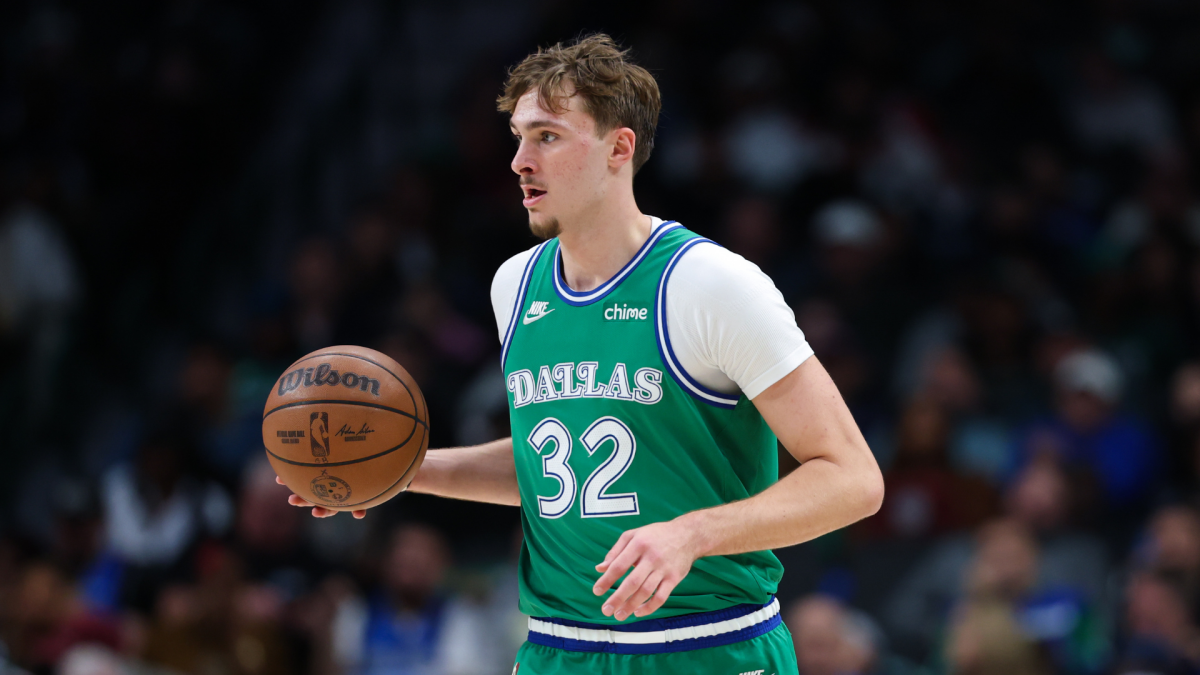
From a basketball standpoint, Davis’s fit with the Mavericks has become problematic, especially after the team secured the services of Cooper Flagg, a young and versatile forward with the ability to play multiple positions. Flagg’s arrival has made Davis somewhat expendable, particularly given the team’s abundance of forwards and shortage of healthy guards. Flagg has even been forced to play out of position as a combo guard, which is not ideal for his development.
Trading Davis would provide the Mavericks with flexibility and a chance to acquire valuable assets that align better with their long-term goals. Unfortunately, trading Davis is complicated by his current injury status—he has missed the last six games with a calf strain but is expected to return soon. When healthy, Davis is a proven All-Star and defensive stalwart, averaging 20.8 points, 10.2 rebounds, and 2.2 assists on 52% shooting in his limited games this season. However, concerns about his durability will inevitably factor into any trade discussions.
The Mavericks would do well to seek a trade that brings back a quality guard, especially as Kyrie Irving remains sidelined. The current guards, including D’Angelo Russell, have underperformed, adding urgency to the need for a better backcourt solution. One intriguing possibility involves the Chicago Bulls and their guard Coby White, who has yet to make his season debut. White would complement young star Josh Giddey in Oklahoma City and could be a valuable piece for Dallas if included in a deal alongside Nikola Vucevic, a floor-spacing big man who fits well with Flagg.
Another potential trade partner is the San Antonio Spurs. Their backcourt is crowded, and De’Aaron Fox might be considered expendable given the emergence of Stephon Castle and rookie Dylan Harper. While a trade involving Fox and Irving would be complex financially and would have to wait until February 4 due to trade restrictions, it could provide Dallas with a dynamic backcourt duo.
Trading Davis would benefit both parties: Davis would join a contending team, while the Mavericks could fully commit to building around Cooper Flagg. This strategic pivot aligns with the next crucial step for the franchise—focusing on the development of their young star.
This should have been Dallas’s plan from the outset of the season. Getting a generational talent like Cooper Flagg is a rare opportunity, and the Mavericks now have a clear runway to build around him. The team’s future success depends on prioritizing Flagg’s growth, which means making roster