
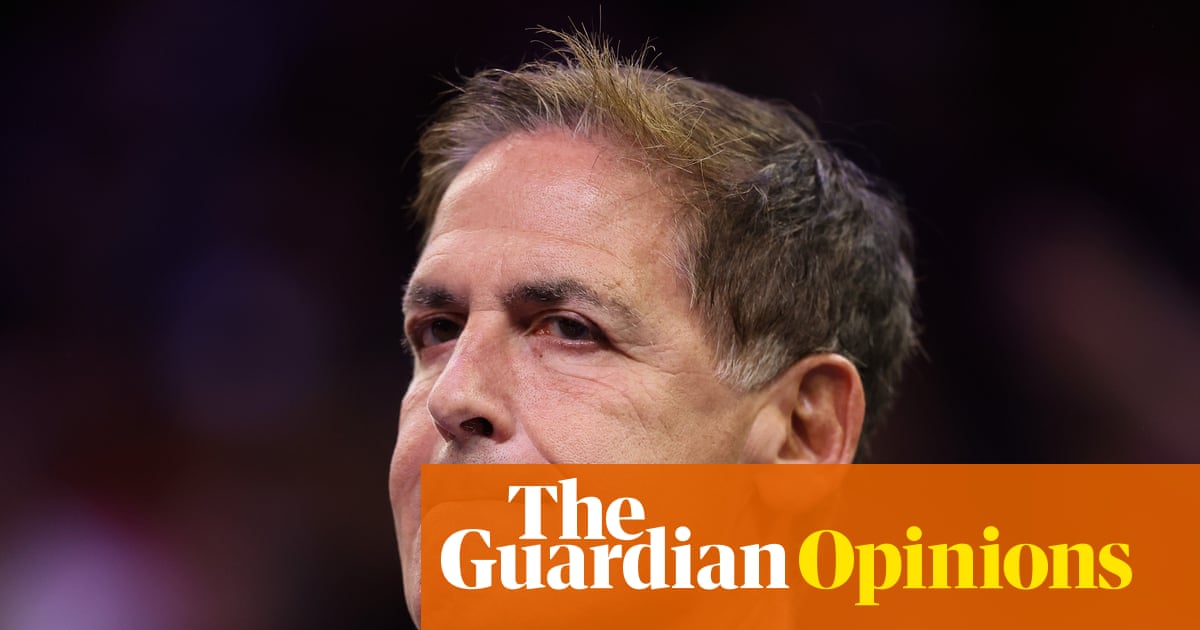
In the year 2000, Dallas experienced a transformative moment in its basketball history with the arrival of a new Mavericks owner, Mark Cuban. Having amassed his fortune by selling a streaming site just before the dot-com bubble burst, Cuban brought a fresh, unapologetically brash energy to a franchise that had long languished in mediocrity. The 1990s Mavericks were a struggling team with little to no national presence, but Cuban was nothing like the traditional, distant NBA owners who viewed their teams as mere investments. Instead, he was a fan first and foremost, deeply involved and vocally passionate about every aspect of the team’s fortunes.
Cuban’s ownership style was revolutionary. He rejected the NBA’s old-school ways, refusing to “play by their rules.” He treated the Mavericks like a start-up, implementing changes that prioritized player comfort and performance, such as improving nutrition, upgrading accommodations for road trips, and even investing in entertainment like PlayStations in the locker rooms. He wasn’t afraid to challenge the league’s bureaucracy or clash with referees, embodying a rebellious punk ethos that stood in stark contrast to the NBA’s polished establishment.
One of Cuban’s earliest and most symbolic moves was signing the mercurial Dennis Rodman at age 38, a decision that showcased Cuban’s understanding of spectacle and cultural relevance. These initial years saw the Mavericks return to the playoffs, marking a significant turnaround. Cuban, a tech billionaire in the new millennium’s mold, brought not just money but a new kind of ownership mindset that meshed well with the internet age’s demand for transparency and fan engagement.
However, a quarter-century later, the glow of Cuban’s Mavericks era has noticeably faded. Cuban sold his majority stake in the team for a staggering $3.5 billion to Miriam Adelson, a figure far less associated with dreamers and more with ruthless business acumen. Since relinquishing control, Cuban has become a minority owner with little influence over daily operations, effectively sidelined by the current general manager he once hired, Nico Harrison. Reports have surfaced that the Mavericks plan to fire Harrison, reflecting the mounting dissatisfaction with the team’s direction under his leadership.
Without the Mavericks to anchor his focus, Cuban has shifted toward media appearances, often defending decisions and figures connected to the franchise, including Harrison and even weighing in on controversies involving other NBA owners. Yet, conspicuously absent from his public commentary is any discussion of the much-criticized trade of Luka Dončić, a move that continues to haunt the Mavericks’ fanbase. Cuban’s current role seems unmoored; his previous relevance as an owner was automatic and fueled by his outspoken nature and hands-on involvement, but now, he clings to the NBA spotlight with less influence and more distance.
On the court, the Mavericks struggle. They have started a season poorly under the new ownership and management, occupying one of the lowest spots in the NBA standings. Fan frustration has reached a fever pitch, with calls to “Fire Nico” echoing throughout the community. Many blame Cuban for choosing Harrison and selling the team to Adelson, whom some fans view as an unwelcome figure in Dallas basketball.
Financially, Cuban turned his initial $285 million investment into an extraordinary $3.5 billion deal, a testament to his business acumen. But how history will judge his tenure is less certain. Was he a visionary who transformed a struggling franchise into a legitimate NBA powerhouse, or just another billionaire whose fortune was extracted from American sports? The answer lies somewhere in between, illuminated by key moments and decisions that defined his ownership.
The pinnacle of Cuban’s Mavericks reign came in 2011, a year forever etched in Dallas sports lore. That season culminated with Dirk Nowitzki leading the Mavericks to an NBA championship, overcoming the Miami Heat’s star-studded “Heatles” lineup. That title banner remains the ultimate proof that Cuban’s manic energy and unorthodox methods could be distilled into a tangible triumph.
Yet championships don’t emerge in isolation. Cuban’s decision to retain general manager Donnie Nelson after a 2006 NBA Finals loss was crucial. Nelson’s keen eye for international talent had already brought Dirk Nowitzki to Dallas and later paved the way for acquiring Luka Dončić. Nelson’s vision created an international talent pipeline that rival teams coveted and sought to replicate. Cuban’s approach to player and executive management was also marked by genuine care; he reached out repeatedly to former player Delonte West to