
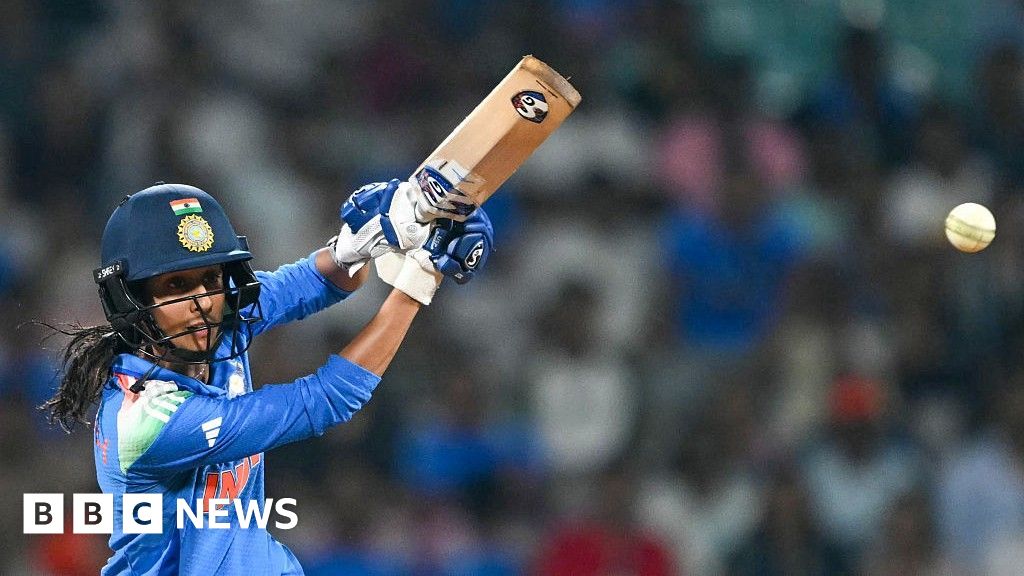
India’s women’s cricket team etched their name into history by clinching their first-ever Women’s World Cup title, defeating South Africa by 52 runs in a thrilling final at Mumbai’s DY Patil Stadium. The victory was not just a win on the scoreboard but a moment of immense pride and joy for a cricket-loving nation that had long awaited its women cricketers to shine on the global stage alongside their male counterparts. The atmosphere was electric, with the roaring crowd celebrating a campaign marked by resilience, redemption, and remarkable team spirit.
India’s journey to World Cup glory was nothing short of extraordinary. After a shaky start that saw them lose three consecutive matches in the group stage, many doubted their chances of progressing further. However, the team’s resolve never wavered. They regrouped and staged a flawless knockout run, turning the tide with inspired performances and unwavering belief. This transformation became the defining narrative of the tournament and set the stage for a historic triumph.
One of the defining moments of the final, and indeed the tournament, was the unexpected but inspired decision by India’s captain Harmanpreet Kaur to hand the ball to young opener Shafali Verma as a part-time spinner. Shafali, primarily known for her explosive batting, had only been included in the playing XI due to an injury to regular opener Pratika Rawal. Mirroring the style of former Indian cricketer Virender Sehwag, Shafali bowled with a mix of pace and guile that caught South Africa off guard. Her breakthrough came early, dismissing South Africa’s captain Sune Luus with her second delivery. She then struck again by removing Marizanne Kapp on her seventh ball, effectively halting South Africa’s momentum during their chase. This bold and gutsy call by Harmanpreet paid rich dividends and earned Shafali the Player of the Match award, complementing her earlier effort of scoring a powerful 87 runs with the bat.
The South African side, led by their prolific opener and captain Laura Wolvaardt, was no pushover. Wolvaardt had been the tournament’s standout batter, topping the run-scoring charts and producing a stellar century against England in the semi-final. Her form and confidence posed a significant threat in the final as well, and she delivered a commanding innings, threatening to take the game away from India. With South Africa needing 78 runs to win, Wolvaardt played aggressively in an attempt to close the gap. However, her lofted shot off Deepti Sharma was caught in a highly dramatic moment by Amanjot Kaur, a 25-year-old player from Punjab, whose remarkable athleticism was on full display. Amanjot sprinted, juggled the ball thrice, and finally secured the catch despite tumbling to the ground. This unforgettable catch not only sealed the match but also ignited celebrations across the stadium and the nation, symbolizing India’s unyielding determination and composure under pressure.
Another pivotal chapter in India’s path to the title was written in the semi-final against Australia, a team that had long been a nemesis for Indian women’s cricket. The match was a high-stakes encounter, with Australia setting a daunting target of 338 runs—a record chase in women’s cricket at such a level. Enter Jemimah Rodrigues, who was promoted to the crucial number three batting position after some earlier struggles in the tournament. Jemimah’s innings was nothing short of a masterclass, a display of technical brilliance, mental toughness, and sheer determination. Coming in after the early dismissal of key batter Smriti Mandhana, she anchored the innings with a blend of calmness and aggressive stroke play. Her unbeaten 127-run knock guided India to a thrilling five-wicket victory with five balls to spare, marking one of the greatest chases in the history of women’s cricket.
Jemimah’s journey through the tournament was as emotional as it was inspiring. She had faced setbacks, including being dropped from the team, which tested her resilience and character. But her semi-final innings was a testament to her grit and talent, earning her tears of joy and redemption. Her partnership of 167 runs with captain Harmanpreet Kaur laid the foundation for India’s successful chase and exemplified the team’s fighting spirit.
While Jemimah’s batting heroics grabbed headlines, it was Harmanpreet Kaur’s leadership that truly steered India