
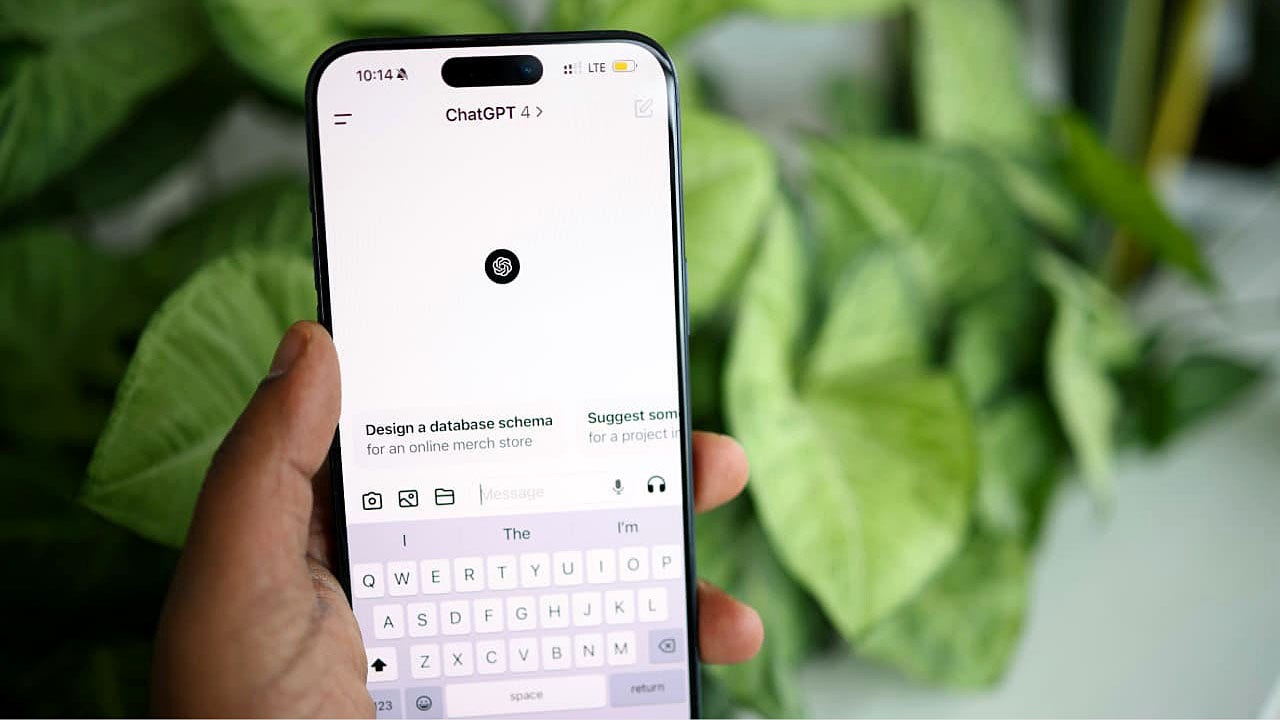
In recent discussions on “Fox & Friends Weekend,” tech expert Kurt Knutsson, known as “The CyberGuy,” highlighted growing concerns over the proliferation of fake artificial intelligence (AI) apps in mobile app stores. These counterfeit applications, which often masquerade as popular AI tools like ChatGPT and DALL·E, not only deceive users but also pose significant security threats by stealing sensitive data and compromising privacy. As AI technology surges in popularity, the digital landscape is becoming increasingly fraught with dangers disguised behind seemingly legitimate software.
App stores have long been trusted sources for authentic applications, offering users solutions for productivity, entertainment, and communication. However, the reality is more complicated. For every genuine app, numerous impostors lurk, exploiting brand recognition and user trust to spread malware or harvest personal information. This phenomenon is now impacting the AI space, where mobile apps related to artificial intelligence have seen billions of downloads, attracting cybercriminals eager to capitalize on the trend. These fake AI apps vary in their levels of harm but can be broadly categorized by their deceptive tactics and underlying malicious intent.
One example shared by Knutsson is the “DALL·E 3 AI Image Generator” app found on alternative app stores like Aptoide. This app mimics OpenAI’s branding and interface to falsely convince users it offers real AI-generated images. However, upon use, the app produces no genuine AI output. Instead, network analyses reveal that it silently connects to advertising and analytics services, collecting user data under the guise of functionality. This type of app represents a deceptive but relatively low-risk category where users’ data is harvested for profit without delivering promised services.
On the more dangerous end of the spectrum are apps like “WhatsApp Plus,” which masquerade as enhanced versions of popular messaging platforms but conceal full-fledged malware frameworks. These malicious applications request extensive permissions—such as access to contacts, SMS messages, call logs, and device accounts—to intercept sensitive information like one-time passwords (OTPs) and personal messages. They operate covertly in the background, using sophisticated techniques such as fake digital certificates and domain fronting (disguising their network traffic through legitimate cloud services like Amazon Web Services and Google Cloud) to evade detection. Once installed, they can surveil users, steal credentials, and even impersonate victims in conversations, creating significant personal and organizational risks.
While not all unofficial AI apps are harmful—some function as legitimate third-party interfaces connecting directly to authentic APIs—the challenge lies in distinguishing safe applications from malicious clones. Users often cannot easily identify which apps are trustworthy until after installation, by which time their data may already be compromised.
The implications of these fake AI apps extend beyond individual users to businesses and brands. When malicious actors exploit a company’s brand identity to launch counterfeit apps, they risk damaging customer trust and brand reputation. Data breaches resulting from such attacks can be costly; IBM’s 2025 report estimates the average breach costs at $4.45 million. For regulated industries such as finance and healthcare, breaches can also result in legal penalties under regulations like GDPR, HIPAA, and PCI-DSS, sometimes amounting to fines of up to 4% of global turnover. Thus, enterprises must be vigilant in monitoring how their brands are represented across numerous app marketplaces globally and take steps to protect their customers from impostor apps.
To safeguard against these threats, Kurt Knutsson recommends several practical measures. First and foremost, users should employ robust mobile security solutions that can detect and block malicious apps before they cause harm. Modern antivirus software examines apps for suspicious behaviors, unauthorized permissions, and known malware signatures, providing a vital line of defense as fake apps become increasingly sophisticated. Antivirus programs also help protect against phishing attempts and ransomware, which are common ancillary threats linked to fake apps.
Password security is another critical area. Malicious apps like WhatsApp Plus can intercept credentials entered into fake interfaces, but using a reputable password manager can mitigate this risk. Password managers autofill credentials only on verified, legitimate sites and apps, making it harder for impostors to capture login information through phishing or counterfeit apps. Many password managers also include breach scanners, which alert users if their email addresses or passwords have appeared in known data leaks, prompting timely password changes and improved account security.
Given that many fake AI apps can intercept SMS verification codes or impersonate users, identity theft protection services offer an additional safeguard. These services monitor personal information such as Social Security numbers, phone numbers, and email addresses for unauthorized usage