
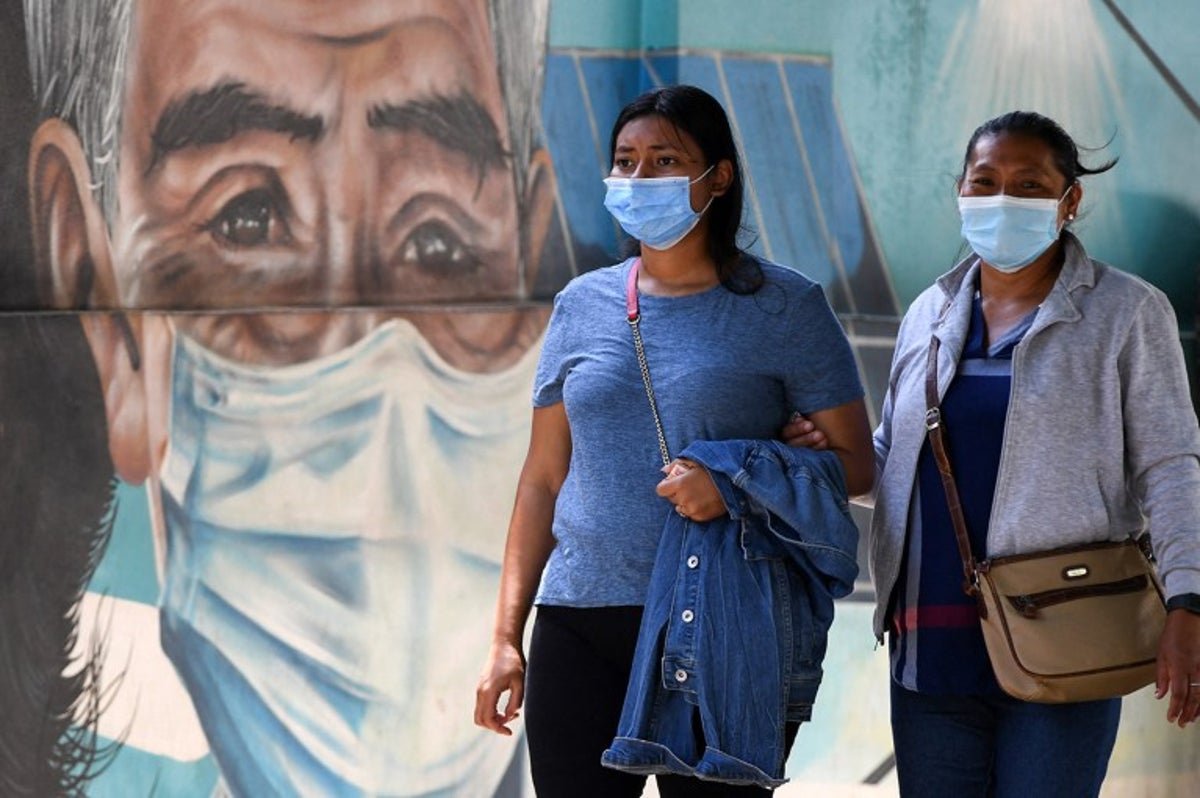
As of November 2025, COVID-19 infections are once again on the rise globally, signaling a potential new surge of the virus. Recent data from the World Health Organization (WHO) indicate that reported cases increased by more than 19,000 in the past month compared to the previous month. However, experts caution that these figures significantly underestimate the true scale of infections due to a substantial decline in COVID-19 surveillance efforts worldwide. This reduction in monitoring is hampering health authorities’ ability to respond effectively with vaccination campaigns and other public health strategies.
During the height of the COVID-19 pandemic, countries invested heavily in tracking the spread of SARS-CoV-2, the virus responsible for COVID-19, through widespread testing, genomic sequencing, and detailed case reporting. This comprehensive surveillance enabled timely identification of emerging variants and informed vaccine development and distribution. Today, however, many nations have scaled back these activities, leading to an incomplete and fragmented picture of how the virus is currently circulating.
Maria Van Kerkhove, interim director of the WHO’s department of epidemic and pandemic management, highlights this issue by describing a “collective amnesia” about COVID-19. She explains that although some surveillance continues, it operates at a much lower intensity than during the pandemic’s peak. This reduced vigilance limits the global community’s understanding of which variants are dominating and how the virus is evolving.
A significant challenge in tracking infections is the widespread use of home testing kits, which, while convenient, do not typically feed data back into public health databases. Antonia Ho, a clinical epidemiologist at the University of Glasgow, points out that positive results from home tests often go unreported, leaving gaps in community-level data. Without robust, high-quality surveillance, it becomes difficult for health organizations to recommend the most effective vaccine formulations or to time their roll-out optimally.
Despite the decline in case reporting, researchers continue to monitor severe COVID-19 outcomes, particularly hospitalizations. Hospital-based surveillance remains a crucial tool for understanding the burden of disease on healthcare systems. Additionally, wastewater surveillance has emerged as a valuable method to estimate virus prevalence in communities, as it can detect viral genetic material shed by infected individuals regardless of their testing status.
Genomic sequencing of virus samples reveals that the most common SARS-CoV-2 variants currently circulating worldwide are XFG, nicknamed Stratus or the ‘Frankenstein variant,’ and NB.1.8.1, known as Nimbus. Stratus accounts for approximately 76% of reported cases and is primarily found in Europe and the Americas. Nimbus, which causes a distinctive “razor blade” sore throat symptom along with typical signs like fever, cough, and runny nose, dominates in the Western Pacific region, representing about 15% of cases. Both variants are on the WHO’s list of “variants under monitoring,” indicating ongoing observation for potential impacts on transmissibility, severity, and vaccine effectiveness.
However, even hospitalization data are incomplete. Fewer than 35 countries regularly report COVID-19 hospitalization statistics, underscoring the need for sustained surveillance efforts. Van Kerkhove emphasizes the importance of continued viral sequencing to keep track of emerging variants. Despite these limitations, she reassures that the existing data are sufficient to guide governments on vaccine effectiveness and public health decision-making.
Vaccination strategies currently focus primarily on vulnerable populations, including people over the age of 65 in the United States and over 75 in the United Kingdom and parts of Europe, as well as individuals with weakened immune systems older than six months. Michael Head, an epidemiologist at the University of Southampton, argues for a broader vaccine rollout that includes younger populations. He stresses that COVID-19 remains a significant health threat and that vaccines continue to offer substantial public health benefits by reducing severe illness and transmission.
In many countries, COVID-19 vaccines and boosters are now administered alongside annual flu vaccinations during the autumn months, coinciding with the onset of the seasonal “respiratory virus season.” This approach aims to prepare healthcare systems for the increased burden of respiratory illnesses in winter. The United States followed a similar strategy until September 2025, when a key vaccine advisory committee voted against recommending COVID-19 vaccination for all adults, reflecting evolving assessments of risk and vaccine policy.
An ongoing question among researchers is whether COVID-19 exhibits true seasonality akin to influenza and other respiratory viruses. Studies from 2021 indicated that approximately 90% of COVID-19 transmission occurred in temperatures ranging from 3 to 17