
The Union Ministry of Environment, Forest and Climate Change’s expert panel has granted preliminary approval to a significant pumped hydropower project near Malshej Ghat in Maharashtra. The project, proposed by the Tehri Hydro Development Corporation (THDC), aims to generate 1,200 megawatts (MW) of electricity through a pumped storage hydropower system. Spanning several villages in the Thane and Pune districts, this project marks an important step in India’s push towards expanding renewable energy capacity, particularly in non-fossil fuel sources.
The approval came from the Sectoral Expert Appraisal Committee (EAC) on river valley and hydroelectric projects during its meeting held on November 12. The committee granted what is technically known as the “terms of reference” (ToR) for the project. This preliminary nod authorizes THDC to commence Environmental Impact Assessment (EIA) studies necessary for the project. The ToR outlines the scope and framework of these studies, which are critical for conducting public consultations and for the final environmental clearance process. The EAC has also mandated THDC to submit detailed water utilization mapping as part of the ongoing appraisal.
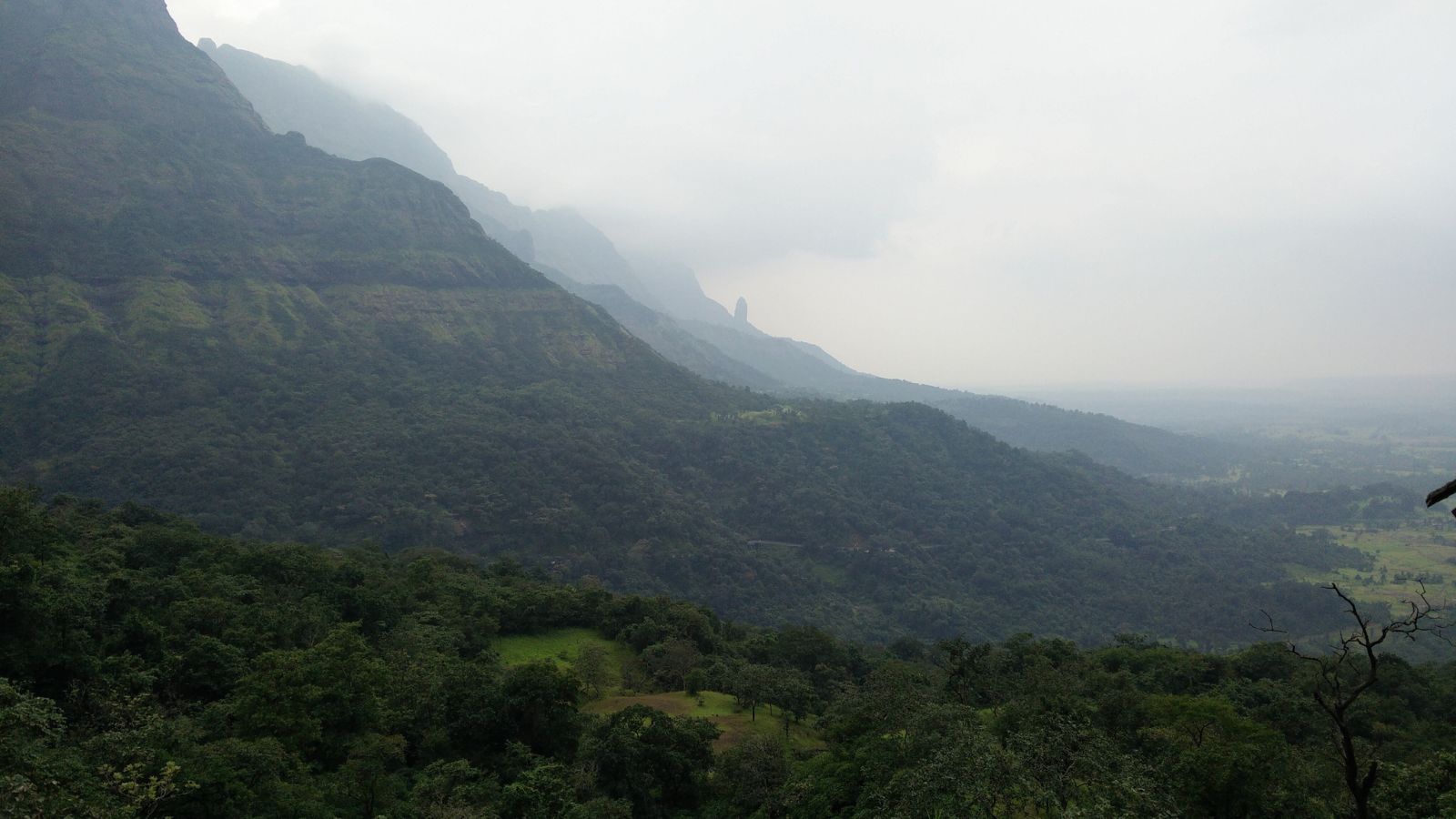
Located in the valley of the Kalu River near the ecologically sensitive Malshej Ghat region, the project site is close to popular natural attractions such as the Kalu waterfall, a favored spot for trekkers especially during the monsoon season. The project area encompasses three villages—Diwanpada, Sawarne, and Thitabi Tarf Vaishakhare—which have been identified as eco-sensitive zones under the Centre’s 2024 draft notification aimed at protecting the Western Ghats. This classification highlights the environmental importance of the region and the need for careful assessment and management of any developmental activities.
The proposed hydropower plant will operate on a closed-loop pumped storage system. Unlike conventional hydropower projects that continuously draw water from a river, the closed-loop system cycles water between two reservoirs without relying on a constant external water source. Initially, water from the Kalu River will be used to fill the lower reservoir, but thereafter, the system will operate by pumping water between the reservoirs to generate electricity during peak demand periods. This design is intended to minimize disruption to the river ecosystem.
The project is estimated to cost approximately Rs 6,815 crore and will require about 310 hectares of land, including 74 hectares of forested areas. The project site is situated roughly three kilometers from the Kalsubai Harishchandragad wildlife sanctuary, a notable protected area. The construction will involve building a rock-filled dam between 28 and 31 meters high to create the upper reservoir. Given the proximity to protected forest land and wildlife habitats, environmental safeguards will be critical during the project’s development.
The EAC raised concerns about the impact of the project on the small rivulets that feed into the Kalu River. These minor streams play an important role in maintaining the river’s hydrology and the overall ecosystem. The committee has advised THDC to ensure that these rivulets are neither disturbed nor adversely affected during the construction and operational phases of the project. This directive reflects the growing awareness about preserving local water sources and biodiversity in development projects.
Another important aspect flagged by the EAC relates to water resource management. Since other pumped hydro projects in the region also plan to utilize water from the Kalu River, the committee has directed THDC to secure all necessary hydrological clearances. These approvals must come from both the Central Water Commission and the Maharashtra state government before the project proceeds to the next stage of environmental appraisal. This step is crucial to avoid over-extraction and ensure sustainable water use across multiple projects.
Pumped storage hydropower projects like this one function by exploiting the elevation difference between two reservoirs. Water is pumped from a lower reservoir to an upper reservoir during periods of low electricity demand using surplus grid energy. When electricity demand peaks, water is released back to the lower reservoir through turbines, generating electricity. This technology is seen as key to balancing the grid and integrating intermittent renewable sources like solar and wind. India’s central government has set ambitious targets to generate 500 gigawatts (GW) of non-fossil fuel-based energy as part of its net-zero carbon emissions commitment, and pumped hydro is expected to play a vital role in meeting this goal.
Given that the project lies within the ecologically sensitive Western Ghats—a UNESCO World Heritage Site—the EAC has decided to form a