
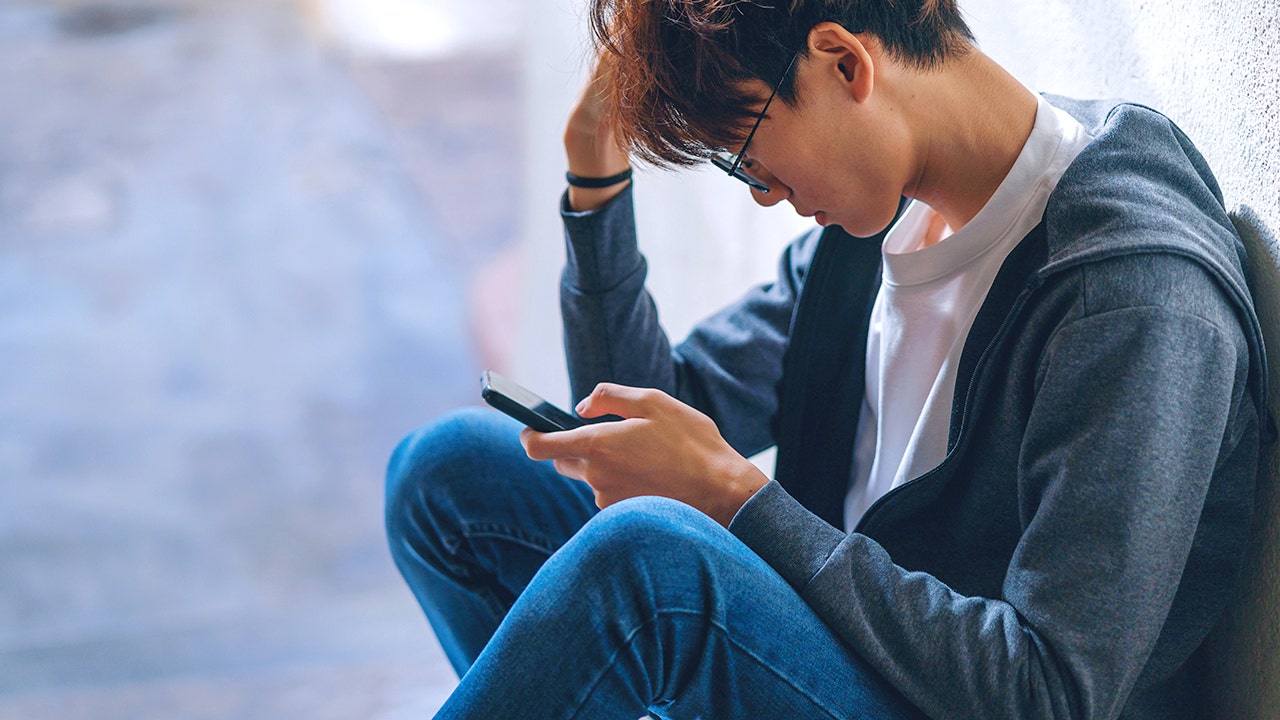
In recent discussions on the impact of social media, psychotherapist Thomas Kersting appeared on "Fox & Friends Weekend" to talk about Denmark’s recent move to ban social media use for children under the age of 15. This step highlights rising concerns over the physiological effects social media platforms have on young minds. The conversation reflects a broader global awareness about how digital environments influence mental health, especially for younger users who are still developing emotionally and cognitively.
Social media today can often feel overwhelming and risky. Users face various challenges, from oversharing personal information to receiving friend requests from strangers and falling prey to scams that infiltrate direct messages. Despite these risks, staying safe online doesn’t have to be complicated. With a few mindful settings and habits, users can enjoy the benefits of social media while protecting their privacy and security.
One critical aspect of online safety involves managing personal information shared on social media platforms. Many apps automatically tag posts with location data, which can inadvertently reveal users’ routines or even home addresses to strangers. Reducing this exposure by disabling location sharing settings is a simple yet effective way to protect oneself. For example, turning off location permissions for camera and social media apps prevents photos from containing hidden geographic data, which can be exploited by malicious actors.
The process to adjust these settings varies depending on the device type—iPhone, Android, or web browser—and even within Android, settings may differ by manufacturer. Users are advised to check permissions for each app individually, ensuring that location access is restricted as much as possible. This small step helps limit the personal data visible to strangers and scammers, making it harder for them to gather information for fraudulent activities.
Another important privacy measure is making social media accounts private. A private account restricts content visibility to only approved followers, essentially acting like a lock on a front door. Platforms such as Facebook, Instagram, TikTok, Twitter (now X), Snapchat, YouTube (to a limited extent), and LinkedIn offer privacy settings that users can customize. While entire YouTube channels cannot be made private, individual videos can be restricted to certain viewers. Adjusting privacy settings is vital to controlling who can see posts, photos, and other personal content.
The rise of fake profiles is a significant concern across all social media platforms. Scammers often create impersonation accounts posing as friends, celebrities, or even customer service representatives to trick users into revealing sensitive information or sending money. Reporting these fake accounts is crucial, not just blocking them, as it helps platforms remove malicious actors and protect the broader user community.
To bolster security, enabling two-factor authentication (2FA) is highly recommended. This adds an extra layer of protection beyond just a password by requiring a verification code sent to a user’s phone or generated by an authentication app like Google Authenticator or Authy. While some platforms may limit 2FA options—for example, text message verification on Twitter/X may be restricted to paid users or certain regions—alternative methods such as authentication apps or physical security keys provide robust protection against unauthorized access.
Users should also be cautious about what their photos reveal. Even innocuous photos can inadvertently share details like house numbers, car license plates, or vacation spots, signaling to potential scammers that someone is away from home and possibly vulnerable. Being mindful about photo content and metadata is another layer of online safety.
Interestingly, social media verification systems, such as the blue checkmark, have lost some of their reliability. Scammers have found ways to purchase verification badges, lending false legitimacy to fake profiles. This development underscores the importance of users remaining vigilant and not relying solely on verification badges as proof of authenticity.
Beyond managing current social media behavior, controlling what personal information is already available online is equally important. Many scammers use publicly accessible details such as hometowns, workplaces, or family connections to build convincing fake profiles. Even email addresses or phone numbers found through data breaches or public records can be exploited.
To combat this, personal data removal services have emerged. These services help scrub personal information from people-search sites and data brokers, reducing the amount of data available for scammers to cross-reference. While no method is foolproof, minimizing one’s digital footprint significantly reduces the risk of identity theft and social engineering scams. These services actively monitor and remove personal data from hundreds of websites, providing users with peace of mind and saving them considerable time and effort.
Protecting privacy online is not just about what users share on social platforms but also about controlling the information that already exists on the internet. Limiting publicly