
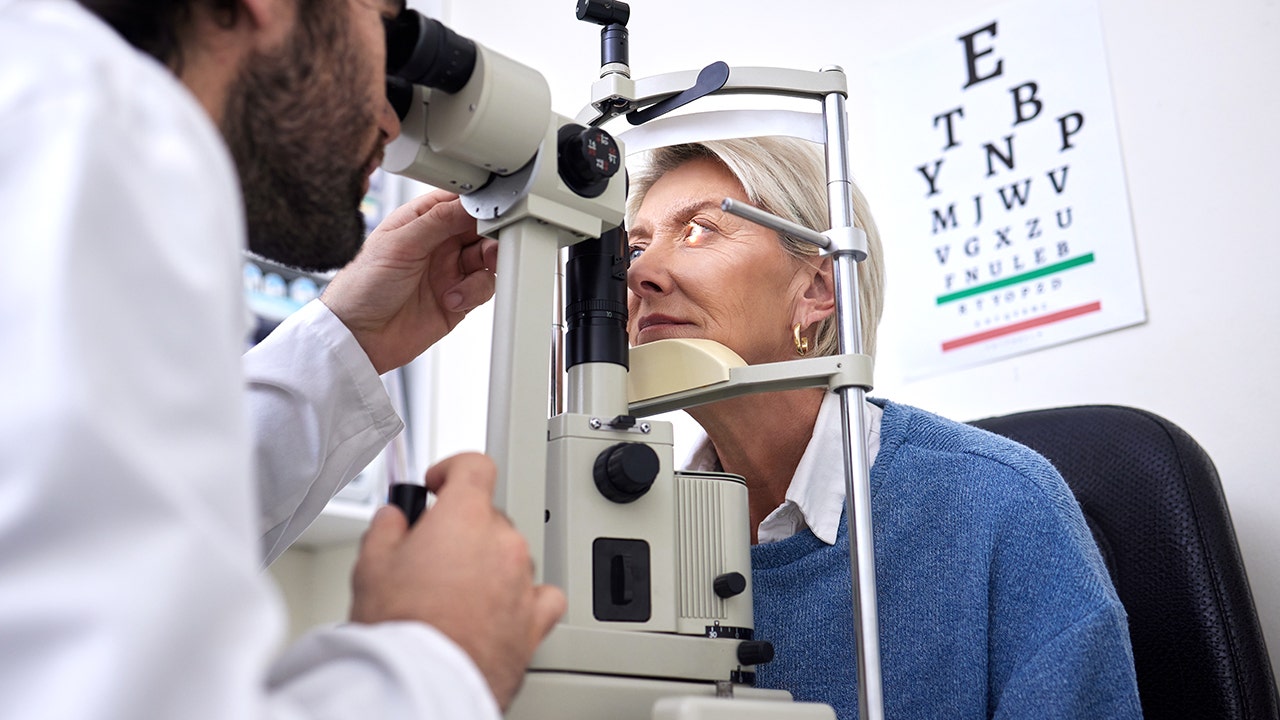
A groundbreaking new study published in The New England Journal of Medicine has revealed promising results for people suffering from advanced age-related macular degeneration (AMD), a major cause of irreversible blindness among older adults. Researchers have developed an innovative brain-computer interface (BCI) retinal implant called PRIMA, which has demonstrated the ability to help patients regain partial central vision that was previously lost. This marks a significant breakthrough, as current AMD treatments can only slow the progression of vision loss but cannot restore vision that has already deteriorated.
The PRIMA system consists of a tiny photovoltaic implant that measures just 2 millimeters by 2 millimeters and is only 30 micrometers thick — thinner than a strand of hair. This miniature chip is surgically placed beneath the retina and works in tandem with a special pair of smart glasses. The glasses capture images from the wearer’s environment and convert them into near-infrared light signals, which are then transmitted to the implant. The implant, in turn, converts these light signals into small electrical impulses that stimulate the optic nerve, mimicking the natural process by which healthy retinal cells send visual information to the brain.
In the clinical study, 38 participants with advanced AMD were implanted with the PRIMA device, and 32 of them completed a full year of follow-up evaluations. The results were encouraging: approximately 80% of the participants—26 patients—showed measurable improvements in their vision. Many were able to read letters, numbers, and even full pages of text again, a feat they believed had become impossible. Although the vision restored by the implant is currently limited to black and white images and is somewhat blurry, the ability to regain any central vision at all is a remarkable achievement for individuals who had previously lost hope of ever seeing clearly again.
Age-related macular degeneration is a progressive eye disease that primarily affects the central part of the retina called the macula, which is responsible for sharp, central vision. As the disease advances, it leads to the deterioration of retinal cells and eventual blindness in the central visual field. Before the development of the PRIMA implant, treatments for AMD focused solely on preserving existing vision and slowing further deterioration. None could reverse the damage or restore lost sight.
The PRIMA implant represents a paradigm shift in the treatment of AMD by directly replacing the missing function of the damaged retina. Unlike previous approaches, it does not attempt to repair or regenerate retinal cells; instead, it acts as a prosthetic device that converts incoming light into electrical signals that the brain can interpret as visual information. Importantly, patients retain their natural peripheral vision while the implant restores some degree of central vision, resulting in a more comprehensive and functional visual experience.
Safety was also a key focus of the study, and the results suggested that the surgical implantation of the device is generally safe. Most side effects were mild and occurred within the first two months after surgery, resolving shortly thereafter. Crucially, the presence of the implant did not negatively affect patients’ remaining peripheral vision. Researchers emphasized that this technology marks a major step forward — moving beyond merely slowing vision loss to actually restoring sight.
The PRIMA implant was developed by Science Corporation, a brain-computer interface company founded by Max Hodak, who also cofounded Neuralink, a leading company in neurotechnology. Science Corporation acquired the PRIMA technology from the French firm Pixium Vision and is advancing its development toward broader clinical use. The company has already applied for regulatory approval in Europe and is in the process of seeking approval from the U.S. Food and Drug Administration (FDA), which could pave the way for wider availability in the coming years.
For individuals living with late-stage AMD, the PRIMA implant offers unprecedented hope. Regaining even partial central vision can dramatically improve quality of life by enabling activities such as reading, recognizing faces, and navigating environments independently. This breakthrough also highlights the rapid pace of medical innovation in the field of vision restoration. Patients who were once told there was nothing that could be done to help them may soon have real options to regain sight.
It is important for patients and caregivers to stay informed about emerging treatments like the PRIMA system. Discussing new technologies with ophthalmologists can help individuals understand their eligibility for clinical trials and the realistic outcomes they might expect. As experimental therapies move closer to clinical availability, timely information can empower patients to make informed decisions about their care.
While the current generation of the PRIMA implant provides limited black and white vision that is somewhat blurry, researchers are optimistic about future improvements