
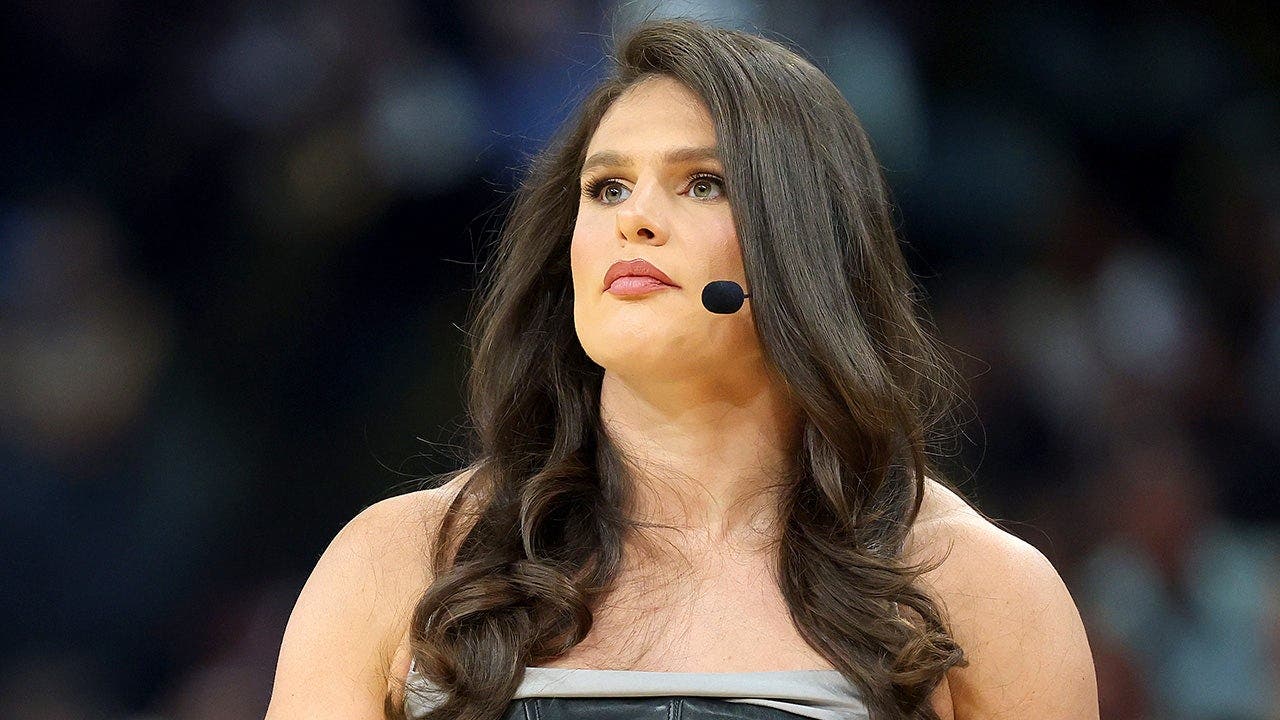
Quinnipiac University recently announced a significant restructuring of its athletics program, a move that has sparked strong reactions from alumni and athletes, notably Team USA women's rugby star Ilona Maher. The university's decision to transition the women's rugby team from varsity status to a club team at the conclusion of the current competitive cycle has drawn criticism, particularly due to concerns over scholarships and the future of the athletes involved.
On Tuesday, Quinnipiac University released a statement outlining the rationale behind the realignment of their athletics program. The university cited a desire to support long-term competitive success, financial sustainability, and adherence to Title IX requirements as driving factors behind the changes. In the statement, Quinnipiac's athletic director Greg Amodio emphasized that while the decisions are difficult, they are necessary to maintain equity, competitiveness, and sustainability within the athletics department over the long term.
The statement highlighted that the transition of the women's rugby team follows a comprehensive evaluation of several factors, including competitive sustainability, national participation trends, resource allocation, and the impact on gender equity. Despite these considerations, the decision has left many feeling disappointed and dismayed, especially those directly affected.
Ilona Maher, a prominent figure in women's rugby and a proud Quinnipiac alumna, expressed her frustration publicly on social media. Maher did not hold back in her criticism of the university's move, posting a message on her Instagram Stories that said, "Shame on you," tagging both Quinnipiac University and its athletics department. She shared a screenshot of the official statement to highlight the decision and its implications.
Maher further revealed a private text exchange where an anonymous person confirmed the harsh realities faced by the athletes. She asked whether the affected players would lose their scholarships and support, to which the response was a grim confirmation. The message explained that none of the athletes could afford to remain at Quinnipiac without their scholarships and that some players, lacking parental support, faced an uncertain future. This conversation underscored the tangible human impact of the university's decision.
Quinnipiac's statement also confirmed that varsity-level resources would be redirected toward programs that demonstrate greater long-term stability and strategic alignment. This shift effectively confirms that scholarships previously awarded to women's rugby players would be discontinued, compelling many athletes to reconsider their educational and athletic futures.
Despite this, Athletic Director Greg Amodio sought to acknowledge the contributions of the women's rugby team and its community. He stated that the decision was not intended to diminish the dedication, effort, or abilities of the student-athletes, coaches, or alumni. Amodio recognized that these individuals have significantly contributed to both Quinnipiac Athletics and the broader university community.
As part of the athletics program realignment, Quinnipiac will be adding men's indoor and outdoor distance running programs to complement their existing track and field team. The university views this addition as a "high impact opportunity" to advance both competitive success and gender equity objectives within the athletics department.
Quinnipiac also assured that women's rugby would continue as a well-resourced and organized club sport, with the athletics department collaborating closely with campus recreation and students to facilitate a smooth and respectful transition from varsity to club status.
Ilona Maher's connection to Quinnipiac's women's rugby program is deep and personal. She was recruited to the Bobcats after playing rugby for the first time at Norwich University, a sport she took up at the encouragement of her father, Michael, following her fatigue with softball. During her time at Quinnipiac, Maher helped lead the team to three National Intercollegiate Rugby Association (NIRA) championships. She earned All-American honors each year and received the MA Sorensen Award in 2017, recognizing her as the nation's top collegiate women's rugby player.
Maher's rugby career extends beyond college. In 2024, she played a pivotal role in helping Team USA's women's rugby team secure the country's first-ever medal in the sport-a bronze medal victory over Australia. Her achievements have made her a respected figure in the sport and a role model for aspiring female rugby players.
The news of Quinnipiac's decision has resonated broadly, raising questions about the future of women's rugby at the collegiate level and the challenges universities face in balancing competitive viability, financial realities, and gender equity mandates. For athletes like Maher and her teammates, the decision represents not only a loss of varsity status but also a disruption to their athletic and academic journeys, particularly for those who rely on scholarships.
In summary, Quinnipiac University's recent athletics realignment, which downgrades the women's rugby team from varsity to club status, has prompted a strong response from alumna Ilona Maher and others connected to the program. While the university cites sustainability and equity as reasons for the change, the decision affects scholarships and the futures of many student-athletes. The university plans to invest in other sports programs and maintain the women's rugby team as a club sport, aiming for a smoother transition and continued support. Maher's decorated rugby career and vocal opposition highlight the personal and broader implications of this shift within collegiate athletics.