
Rory McIlroy achieved a historic milestone by winning his second consecutive Masters Tournament, becoming the first golfer to do so since Tiger Woods accomplished the feat in 2001 and 2002. This remarkable back-to-back victory at Augusta National Golf Club has reignited discussions about McIlroy's place among golf's all-time greats. Sports commentator Colin Cowherd notably questioned what this win means for McIlroy's legacy, highlighting the significance of his accomplishment in the sport's history.
The 90th Masters Tournament, held at the iconic Augusta National Golf Club, was broadcast through a combination of traditional networks and streaming platforms. However, the final round on Sunday was primarily covered by CBS and Paramount+, with veteran sportscaster Jim Nantz leading the commentary. Over many years, CBS has developed its Masters coverage into what many consider the gold standard of golf broadcasting, combining expert analysis, high production values, and a reverence for the tournament's traditions.
Despite the network's polished reputation, this year's coverage received criticism from some viewers, particularly during the final moments of McIlroy's winning round. One notable issue occurred after McIlroy's second shot on the 18th hole. Cameras lost track of the ball as it landed in the woods to the right of the fairway, creating confusion among viewers. This incident was not isolated; several shots during the round featured tracer technology that struggled to follow the ball's flight accurately. Reports suggest that CBS employs a brief tape delay for some shots instead of broadcasting everything live in real time, which contributed to the disjointed viewing experience.
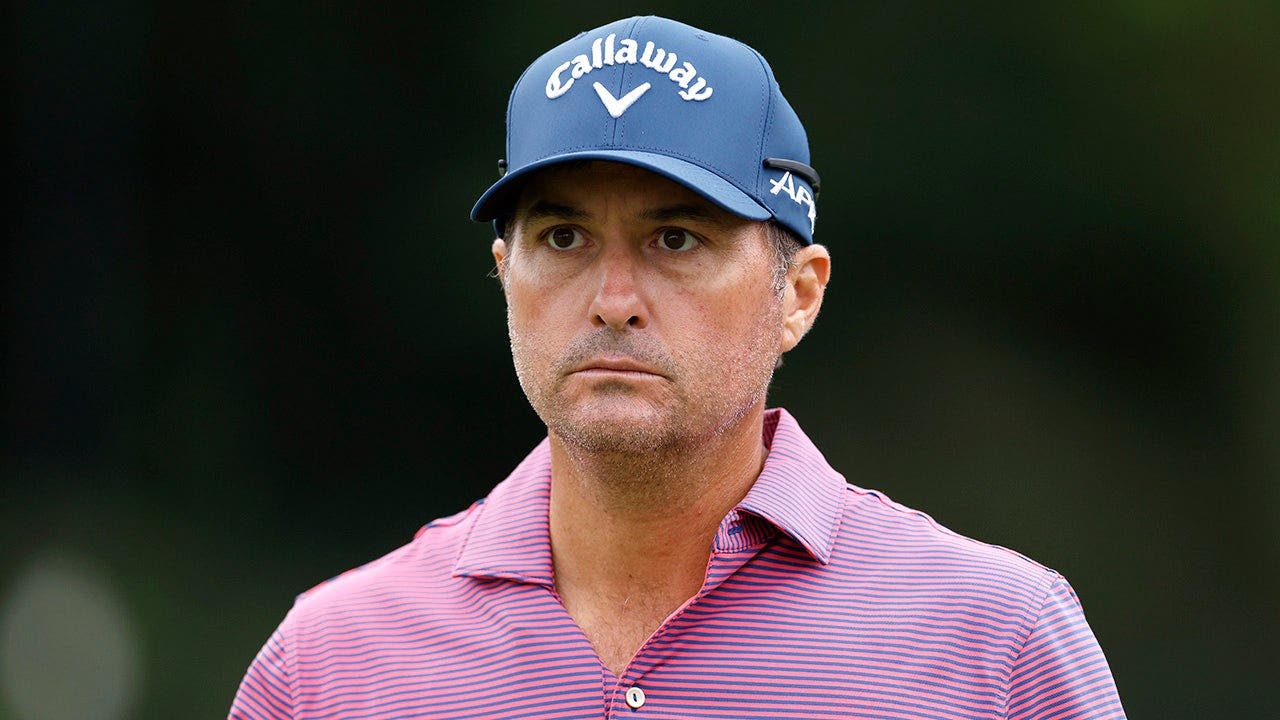
Kevin Kisner, a professional golfer on the PGA Tour who also served as a guest analyst during SiriusXM's coverage of the tournament on Saturday and Sunday, openly criticized CBS's approach. Speaking on Barstool Sports' "Fore Play Golf" podcast, Kisner expressed his frustration with the broadcast's timing and execution. He described the feed as confusing and out of sync, noting that the coverage often showed events that had happened several minutes earlier rather than live action.
"I was so f-ing confused the entire time by trying to keep up with the behind-the-scenes CBS feed," Kisner said during the podcast. "They're literally showing s-t that I knew happened ten minutes ago all day long." He added that the delays were so severe that he reached out to fellow analyst Colt Knost via text during the broadcast to ask whether any shots were actually shown live. Kisner remarked that following the tournament through the official app provided a better real-time experience than watching the CBS feed.
Kisner drew a comparison to other major sporting events, such as the Super Bowl, to illustrate how unusual the Masters coverage was. He highlighted how frustrating it would be to watch a game where the action was always behind by several minutes, making commentators' reactions feel artificial. "Could you imagine watching the f-ing Super Bowl and being like, 'yeah, Tom Brady threw that touchdown seven minutes ago, we're going to act like it's live here so our announcers can sound really smart,'" Kisner said. "What are we doing, man?"
Part of the challenge in covering the Masters live stems from the tournament's unique format. Unlike sports such as football, which have natural breaks and commercial pauses, golf tournaments feature multiple players taking shots simultaneously across a sprawling course. This makes it difficult for broadcasters to capture every moment live without delays or interruptions. CBS's approach attempts to balance continuous coverage with the constraints of live broadcasting, but this year's execution left some viewers and commentators disappointed.
The Masters is renowned not only for its competitive significance but also for its strict traditions and the course's meticulous maintenance. After McIlroy's victory, there were also discussions about the conditions of the course itself. Scottie Scheffler, who finished second, publicly voiced concerns regarding the course conditions after the tournament, adding another layer to the post-Masters conversation.
Looking ahead, the next major championship on the PGA Tour calendar is the PGA Championship, scheduled to take place next month at Aronimink Golf Club in Pennsylvania. ESPN holds the broadcasting rights for that event, marking a shift in coverage from CBS to another major sports network.
The recent Masters Tournament and Rory McIlroy's historic win have generated significant attention across sports media. Fox News Digital provided ongoing coverage throughout the event and continues to offer detailed reporting on golf and other major sports. Fans can follow updates on social media platforms and subscribe to newsletters like the Fox News Sports Huddle to stay informed on the latest developments.
In summary, Rory McIlroy's consecutive Masters victories represent a rare and impressive achievement in professional golf, placing him in elite company alongside legends like Tiger Woods. However, the tournament's broadcast faced criticism for delays and technical issues, sparking debate about how best to deliver live golf coverage in the digital age. As the golf world reflects on McIlroy's triumph and looks forward to upcoming tournaments, broadcasters and fans alike will be watching closely to see how coverage evolves to meet the demands of modern audiences.