
The NFL is preparing to relaunch its Front Office and Coaching Accelerator Program in May after a year-long hiatus, with significant changes aimed at reimagining the initiative’s approach to developing football leadership talent. Originally launched with the goal of identifying and advancing minority candidates within the league’s coaching and executive ranks, the program will now include non-minority participants when it restarts on May 18. This shift marks a notable departure from the program’s previous exclusive focus on underrepresented groups and comes amid ongoing challenges the NFL faces in improving diversity at its highest levels.
Since the Accelerator Program’s inception in 2022, its track record has been modest. Despite hosting six iterations and involving dozens of coaches and personnel, only one head coach and two general managers have emerged from the initiative. The league has spent the past year reevaluating the program’s structure and efficacy, ultimately deciding to combine coaching and general manager candidates into a single cohort of about 40 participants. The participant pool will shrink from previous years, and the program will no longer exclusively target individuals within five years of attaining top roles, but instead focus on candidates deemed ready to make the leap in the upcoming hiring cycle.
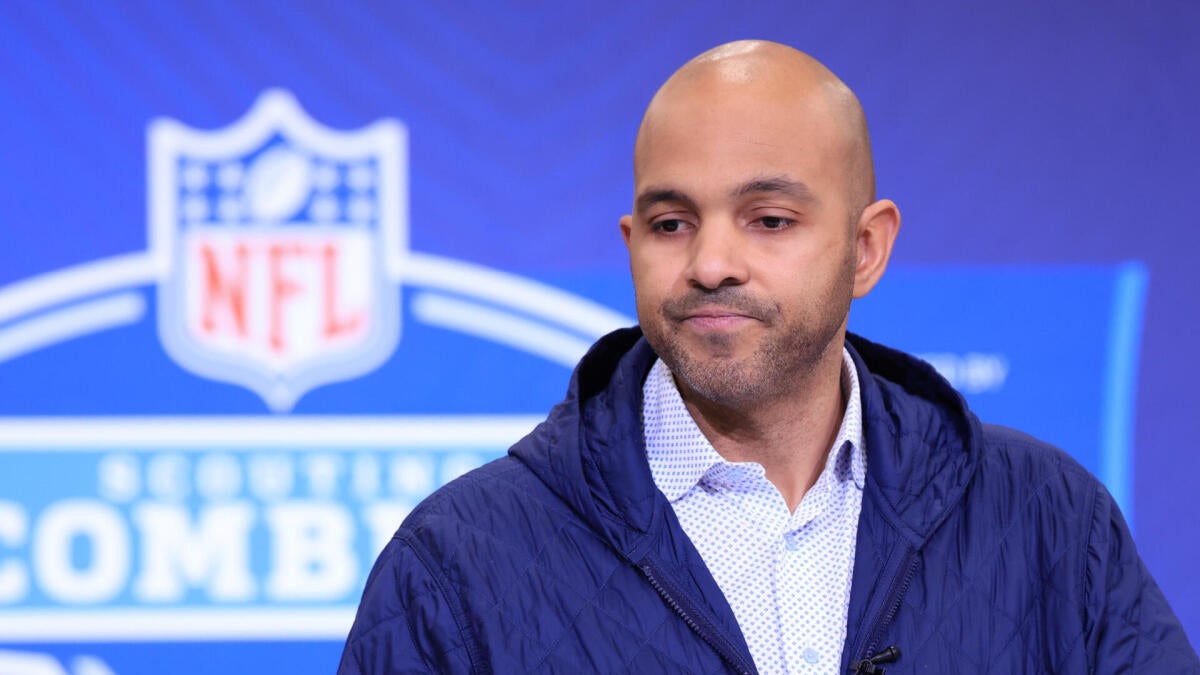
Jonathan Beane, the NFL’s senior vice president and chief diversity and inclusion officer, told CBS Sports that while the Accelerator will broaden its participant base to include white males, its core mission remains supporting the advancement of underrepresented talent. Beane emphasized that the league’s broader philosophy has evolved to “broaden access across the board,” offering opportunities to people of all demographics while maintaining a commitment to diversity goals. He acknowledged that the decision followed extensive feedback from a wide range of stakeholders, including general managers, head coaches, owners, and past program participants, most of whom supported an inclusive approach.
This announcement comes in the wake of another disappointing hiring cycle for minority candidates in the NFL. In the most recent offseason, the league had 10 head coaching vacancies, but only one non-white coach, Robert Saleh of the Tennessee Titans, was hired. Saleh is among just five non-white head coaches currently in the league, alongside Aaron Glenn (New York Jets), Todd Bowles (Tampa Bay Buccaneers), and DeMeco Ryans (Houston Texans), who are all Black. Similarly, only four minority general managers remain employed: Brad Holmes (Detroit Lions), Ryan Poles (Chicago Bears), Omar Khan (Pittsburgh Steelers), and Ian Cunningham (Atlanta Falcons). Notably, the three general managers who were fired in this cycle were all Black.
Commissioner Roger Goodell acknowledged these disappointing results during his Super Bowl press conference, questioning why the league’s efforts have not yielded better outcomes. However, he rejected any direct link between the absence of the Accelerator Program last year and the poor hiring outcomes. Goodell explained that the league regularly reevaluates all its programs and policies to improve their effectiveness and help address ongoing challenges. He stressed the league’s commitment to recognizing and cultivating extraordinary talent across the NFL, both on and off the field, and reaffirmed the league’s dedication to diversity despite the broader national trend of rolling back diversity, equity, and inclusion (DEI) initiatives.
In fact, the NFL’s decision to expand the Accelerator Program to include white male participants has nothing to do with external political pressures or the Trump administration’s efforts to dismantle DEI programs at the federal level, according to Beane. He described the change as an internal evolution focused on inclusivity and development rather than a reaction to politics. The program will also feature ongoing learning opportunities beyond the initial two-day session, including mentorship and personalized executive coaching throughout the year to better prepare participants for leadership roles.
While the league anticipates that the broadened approach will receive substantial support, Beane acknowledged that not everyone will agree, noting that some may have preferred to maintain the program’s original exclusive focus on minority candidates. Still, he believes the majority will appreciate the inclusive direction, which aims to balance opportunity with the league’s longstanding diversity goals.
The Accelerator Program is not the NFL’s only diversity initiative. The league has operated the Rooney Rule for nearly 25 years, mandating that teams interview minority candidates for head coaching and senior football operations jobs, a practice widely adopted across industries. The NFL also incentivizes teams to develop minority talent by awarding draft picks to clubs that cultivate candidates who later secure top roles elsewhere, though this practice has faced criticism, particularly after a controversial technicality prevented the Chicago Bears from receiving compensation when Ian Cunningham became the Atlanta