
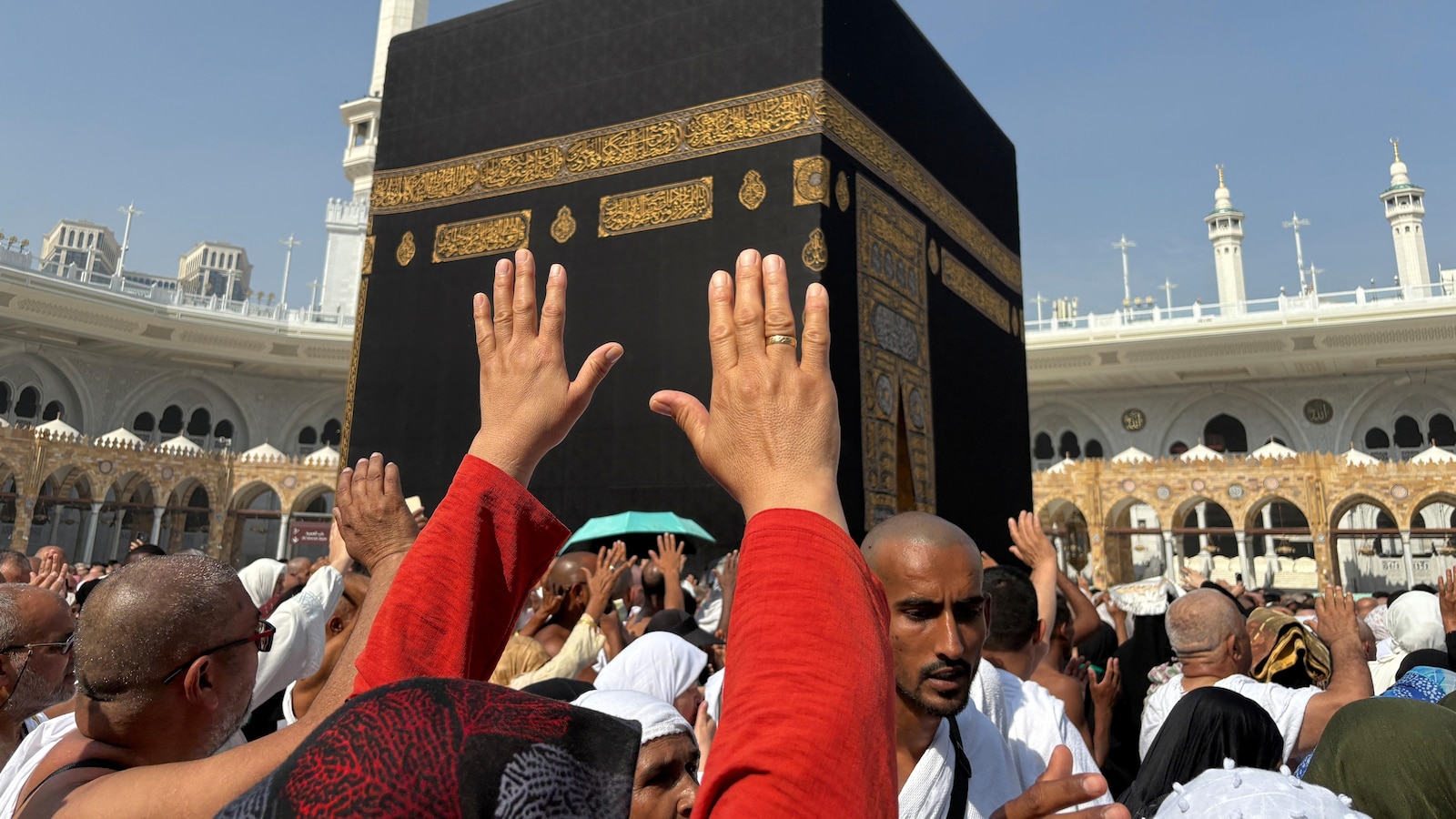
The ongoing war in the Middle East has caused significant travel disruptions for thousands of Muslim pilgrims who had traveled to Saudi Arabia to perform the Umrah pilgrimage, leaving many stranded and facing uncertainty about their return home. This crisis has affected a wide range of pilgrims, including large numbers from Indonesia and Malaysia, two of the countries with substantial Muslim populations that regularly send pilgrims to the kingdom’s holy sites.
As of mid-March, more than 58,860 Indonesian pilgrims remain stranded in Saudi Arabia, according to Dahnil Anzar Simanjuntak, Indonesia’s Vice Minister of Hajj and Umrah. The Indonesian government is actively negotiating with Saudi authorities and airlines to ease the burden of additional hotel stays and flight costs that many pilgrims now face due to canceled or rescheduled flights. The ministry is also advising about 60,000 other prospective Umrah travelers to postpone their visits until April, citing safety concerns amid the regional conflict. Ichsan Marsha, a spokesperson for the Indonesian Ministry of Hajj and Umrah, described the situation as an “urgent humanitarian and logistical issue,” highlighting the complexity and urgency of managing the crisis.
The disruption has had a deep emotional impact on pilgrims like Zanirah Faris, who spoke to Indonesia’s iNews TV about her experience. After completing her religious rituals, she found her return flight canceled and was reassigned to a later flight scheduled for March 12. Faris expressed frustration and worry, particularly about the financial and emotional toll on pilgrims who might not be able to afford extended hotel stays or additional travel expenses. “Not everyone can book additional stays at a hotel,” she said, emphasizing the hardship many face. She also lamented the personal impact of the delay, saying, “I’m disappointed because my children have been waiting for me.”
For many Indonesians, the Umrah pilgrimage is a deeply significant religious event. Indonesia is home to the world’s largest Muslim population, and hundreds of thousands of Indonesians travel annually to Saudi Arabia for Umrah, especially during Ramadan, the holy month of fasting and prayer. Unlike the Hajj pilgrimage, which occurs once a year during a specific time, Umrah can be performed year-round, making it a popular choice for Muslims seeking to visit the sacred sites in Mecca and Medina.
Malaysia has also been grappling with the effects of the Middle East conflict on its Umrah pilgrims. About 1,600 Malaysian pilgrims were reported stranded in Saudi Arabia, according to Mohamad Dzaraif Raja Abdul Kadir, Malaysia’s consul general in Jeddah. Officials assured that the stranded pilgrims were in good condition and established a 24-hour operations center to monitor the situation and provide assistance. Malaysia Airlines temporarily resumed return flights from Jeddah and Medina to help evacuate stranded citizens. The Malaysian foreign ministry is coordinating with diplomatic missions, regional governments, and airlines to facilitate the safe return of its nationals.
The travel disruptions extend beyond just pilgrims, as airports in the Gulf region serve as major transit hubs connecting travelers from Europe, Africa, and Asia. The conflict has thus had a ripple effect, complicating travel plans for diverse groups of people passing through these key airports.
Individual stories illustrate the human side of the crisis. For example, Maged Kholaif, a 44-year-old Egyptian who had been performing Umrah in Saudi Arabia, was scheduled to return to Kuwait on February 28, the very day the war started. His flight was suddenly canceled and rescheduled multiple times, leaving him stranded with his wife and mother-in-law. As the situation in Kuwait escalated with sirens and explosions, Kholaif grew increasingly anxious about his family, who were waiting for him back home. Ultimately, he decided to make an overland journey to return to Kuwait, arriving after a tense and emotional trip. “Once you have your children in front of your eyes and in your embrace, whatever happens next doesn’t matter as long as you’re together,” he reflected.
Others, like Javed Khizer from Michigan, chose to cancel their pilgrimage plans altogether, concerned about the escalating conflict. Khizer had planned to travel to Saudi Arabia via Turkey and Qatar but decided against it after following the news. “It was a difficult decision,” he said. “Who knows whether I will be there for next Ramadan or not? It’s not guaranteed.” For many Muslims, Ramadan is a sacred time of fasting, prayer, and increased devotion, making the pilgrimage during this period especially meaningful.
The Umrah pilgrimage holds a