
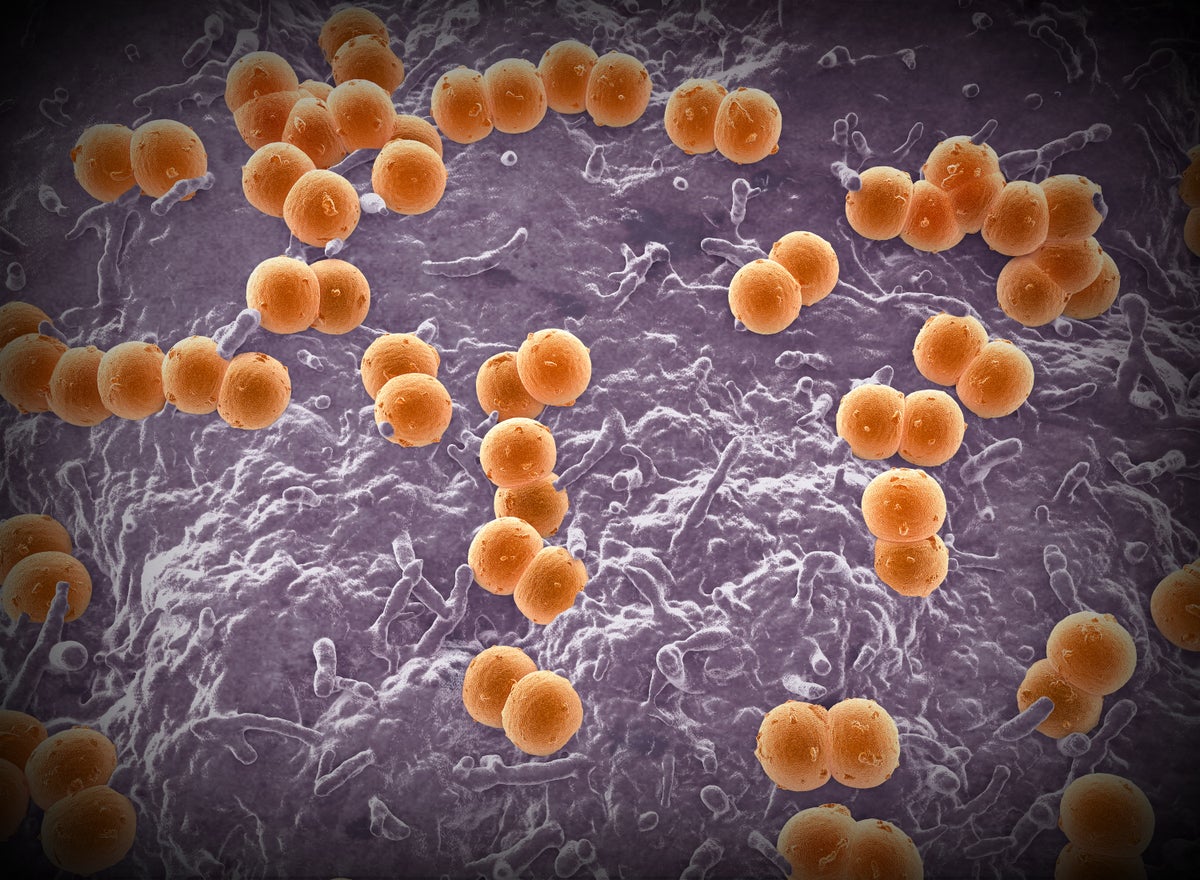
In early 2026, the United Kingdom has been grappling with a serious outbreak of meningococcal meningitis, a severe and potentially deadly form of bacterial meningitis. This outbreak, initially detected among students at the University of Kent, has rapidly spread to other individuals in the region, prompting urgent public health responses including widespread antibiotic distribution and targeted vaccination campaigns. The situation highlights the critical role that vaccination plays in preventing such outbreaks, a lesson underscored by experts amidst recent controversies surrounding meningitis vaccine recommendations in the United States.
Meningococcal meningitis is caused by infection with the bacterium Neisseria meningitidis. This pathogen spreads through aerosolized droplets and close personal contact, making environments like college dormitories, military barracks, and detention centers particularly vulnerable to rapid transmission. The disease begins with symptoms such as fever, headache, rapid breathing, and chills, often progressing quickly. A distinctive pinprick red or purple rash that does not fade when pressed is a hallmark sign. Without prompt treatment, the infection can invade the cerebrospinal fluid and brain, leading to severe complications like coma and death. Even survivors may suffer long-term disabilities including hearing loss or limb amputations due to gangrene caused by inflammation of blood vessels.
As of March 19, 2026, health authorities in the U.K. reported at least 29 confirmed or suspected cases linked to the outbreak near the University of Kent, with two fatalities. Thousands of individuals who might have been exposed have been contacted by public health officials and offered antibiotics as a preventive measure. Administering antibiotics early, even before symptoms arise, is crucial to halting the spread of bacterial meningitis during an outbreak. According to William Schaffner, an infectious disease expert at Vanderbilt University Medical Center, such antibiotic campaigns are effective in quickly controlling outbreaks once they occur.
However, Schaffner and other experts emphasize that the most effective strategy against meningococcal meningitis is routine vaccination, especially for high-risk groups such as adolescents and young adults who live in close quarters. Vaccination not only prevents individual cases but also curtails the potential for widespread transmission. The recent outbreak in Kent was caused by the B strain of the meningococcal bacterium, which is less common but still dangerous. In response, U.K. health authorities have intensified a targeted vaccination campaign using the MenB vaccine to protect students and prevent further spread.
Vaccines against meningococcal meningitis typically come in two forms: MenACWY and MenB. The MenACWY vaccine protects against strains A, C, W, and Y, which are generally more prevalent, while the MenB vaccine targets the B strain. In the U.K., teenagers are routinely offered the MenACWY vaccine around age 14, and infants receive the MenB vaccine in a series beginning at eight weeks of age. This systematic approach has contributed to a significant reduction in meningococcal disease cases over recent years.
The United States has similarly benefited from comprehensive meningococcal vaccination programs. From July 2024 to June 2025, the U.K. recorded 378 confirmed cases of meningococcal disease, while the U.S. reported 503. These numbers reflect a marked decline from earlier decades, attributed largely to widespread immunization efforts. Nevertheless, meningococcal disease remains a public health concern in the U.S., with cases trending upward since 2021, especially involving the Y strain.
Despite the proven effectiveness of vaccines, recent policy developments in the U.S. have sparked debate. In January 2026, the Centers for Disease Control and Prevention (CDC) rolled back its recommendation that all children routinely receive the MenACWY vaccine, shifting instead to a model of shared clinical decision-making for most children. This move followed earlier recommendations that children receive two doses of MenACWY—initially at ages 11 to 12 and a booster at 16. The change has been temporarily halted by a U.S. district court ruling, leaving the future of the recommendation uncertain.
For the MenB vaccine, the CDC recommends it for immunocompromised adolescents aged 16 and older, while for other children in this age group, vaccination is left to shared decision-making between clinicians and families. The relative rarity of the B strain in the U.S. has influenced this more flexible approach. Yet many parents are choosing to vaccinate their children with MenB, especially before college, to mitigate the risk of