
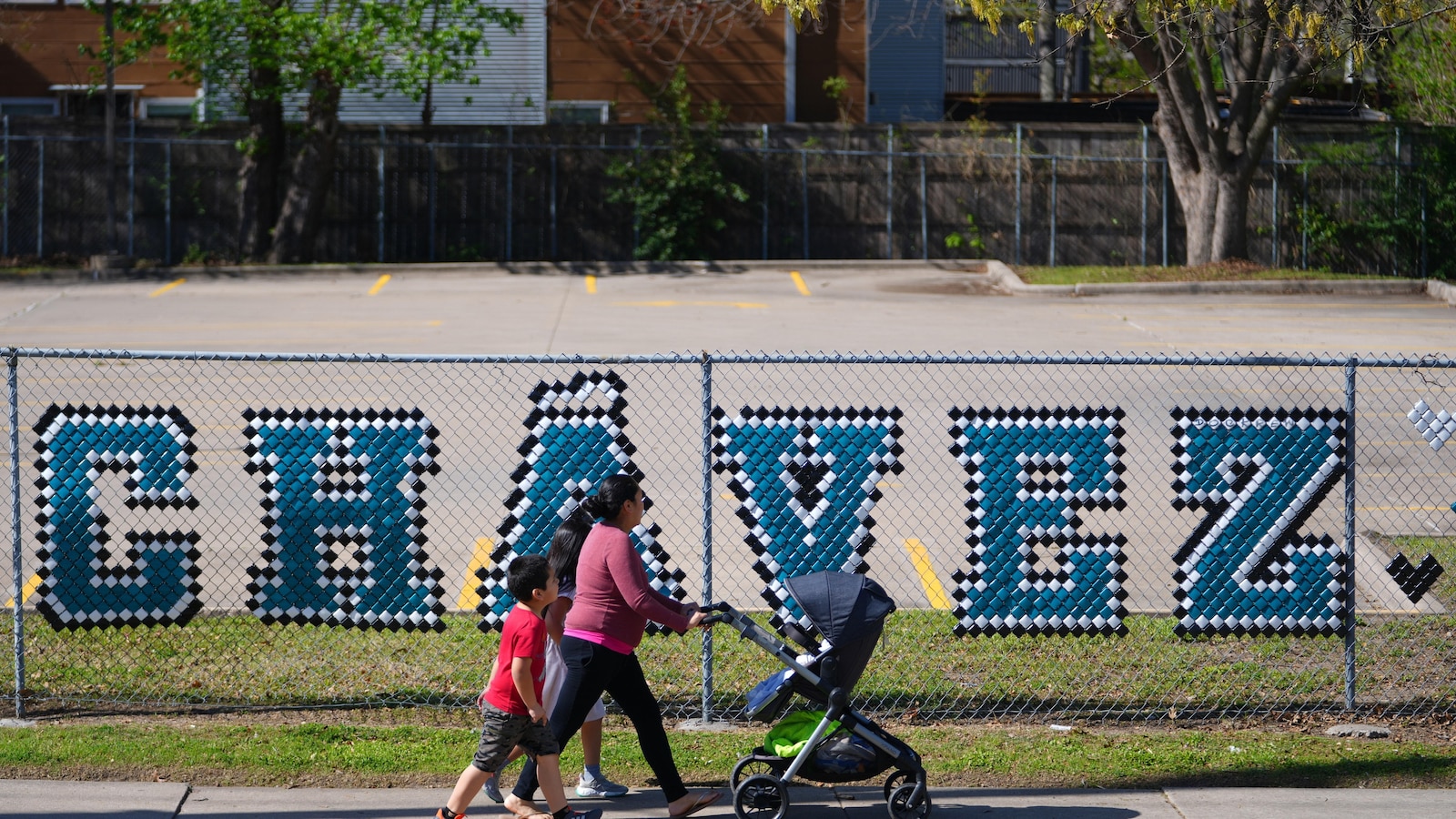
In recent weeks, a wave of reckoning has swept across the United States regarding the legacy of César Chávez, the iconic Latino labor leader and civil rights advocate. Allegations of sexual abuse against Chávez, dating back to the 1960s, have prompted elected officials, civil rights groups, and communities from California to Minnesota to reevaluate how they honor him. These revelations have triggered swift actions to remove or rename holidays, events, and public spaces bearing his name, as people grapple with the implications of the accusations and seek ways to continue recognizing the broader farmworkers' movement he once symbolized.
The controversy erupted following a report by The New York Times that detailed how Chávez allegedly groomed and sexually abused young girls involved in the farmworkers' movement during its nascent years. Adding to the gravity of the claims, Dolores Huerta, who co-founded the movement alongside Chávez, disclosed that she was also a victim of this abuse in her 30s. The revelations have sent shockwaves through communities that had long celebrated Chávez as a heroic figure, leaving many feeling betrayed, hurt, and angered.
In response, many communities have moved quickly to dissociate from Chávez's name while still honoring the spirit and achievements of the labor movement. For example, in Tucson, Arizona, an event traditionally held as a César Chávez birthday celebration on March 31 was rebranded as a community and labor fair. Similarly, Grand Junction, Colorado, renamed its celebration the Sí, Se Puede Celebration-a phrase meaning "Yes, it can be done," coined by Huerta and emblematic of the movement's resilience. El Paso, Texas, replaced its César Chávez Day with Community and Labor Heritage Day.
Legislative actions have mirrored these local changes. Minnesota's lawmakers voted to eliminate the César Chávez holiday in their state. California Governor Gavin Newsom signed a bill to rename César Chávez Day as Farmworkers Day, reflecting a shift away from celebrating an individual to honoring the broader community of farmworkers. Colorado lawmakers are also considering legislation to rename their state's voluntary holiday to Farm Workers Day. Moreover, discussions are underway to rename dozens of schools, streets, and other public sites named after Chávez, including the national monument in Keene, California.
These shifts have ignited complex conversations across the nation. For many supporters of Chávez and the farmworkers' movement, the allegations have created a painful conflict between acknowledging his significant contributions to civil rights and confronting his alleged personal misconduct. José Luis Chávez, who leads the committee organizing the César Chávez Celebration in Mesa County, Colorado, expressed the collective hurt and anger felt by those connected to the agricultural community. His committee, composed largely of people whose families have worked in fields harvesting crops, decided against canceling their annual event. Instead, they opted to rename and rebrand it to focus on the movement's enduring message rather than the man himself.
The Grand Junction celebration, which has grown from an educational event into a vibrant gathering with music, food, classic cars, and high school scholarship presentations, now features the logo "Sí, se puede" prominently to emphasize hope and perseverance. Social media campaigns have been used to inform the public about the changes and to encourage continued participation, underscoring the desire to preserve the movement's legacy despite the controversy.
In Tucson, organizers scaled back the annual César Chávez and Dolores Huerta March and Rally, eliminating the march and car show and instead holding the Comunidad y Labor Unity Fair. This event focused more broadly on labor rights without explicitly referencing Chávez. The Arizona César E. Chávez + Dolores Huerta Holiday Coalition, responsible for the event, urged supporters to remember that the movement transcends any one individual. They reminded the public that "this movement is bigger than a name or one person," and that the true strength lies with the working people.
This sentiment has resonated widely, as many groups emphasize the importance of honoring the collective struggle and achievements of farmworkers rather than allowing an individual's alleged actions to overshadow a broader legacy. However, some voices have called for the complete removal of the César Chávez holiday and related commemorations, particularly in states like Texas, highlighting the tension and differing opinions on how best to move forward.
Sehila Mota Casper, executive director of Latinos in Heritage Conservation, highlighted that communities will handle the situation in diverse ways. She called for due process and thoughtful reflection as each community determines how to reconcile the allegations with their values and history. Mota Casper emphasized that this moment offers an opportunity to expand the narrative around Chávez's legacy, acknowledging the complexities of human behavior rather than presenting a simplified or sanitized version of history.
In Albuquerque, New Mexico, where the annual César Chávez march had been canceled prior to the allegations for unrelated reasons, city officials are beginning the process of considering name changes for roads and public spaces honoring Chávez. City Councilor Joaquín Baca, whose district includes streets named for both Chávez and Huerta, described the challenges officials face as they listen to a wide range of public opinions. Some constituents demand the removal of all tributes to Chávez, while others advocate for broader recognition of farmworkers and labor rights beyond individual figures. For Baca and many others, this period has been marked by intense listening and deliberation.
Mota Casper, with her background in heritage tourism and preservation, urged society to tell the "full story" when commemorating historical figures. She stressed that while it is necessary to recognize the positive contributions someone made, it is equally important not to ignore or downplay their faults or wrongdoings. This balanced approach, she argues, is essential for honest and meaningful engagement with history.
The unfolding controversy over César Chávez's legacy reflects a broader cultural moment in which communities are reassessing the figures they honor and the values those commemorations represent. It highlights the ongoing struggle to reconcile the achievements of influential leaders with their human imperfections, particularly when allegations of serious misconduct come to light. While the farmworkers' movement remains a pivotal chapter in American labor and civil rights history, how it will be remembered and celebrated is evolving in response to these revelations.
As communities continue to navigate this complex terrain, the prevailing message from many organizers and advocates is clear: the movement belongs to the people who built it and continue to fight for labor rights today. Their collective strength and resilience transcend any single individual's actions, serving as a reminder that progress is often the result of many voices and efforts united over time. The challenge now lies in honoring that heritage authentically, embracing the full complexity of its history, and forging a path forward that respects both truth and transformation.