
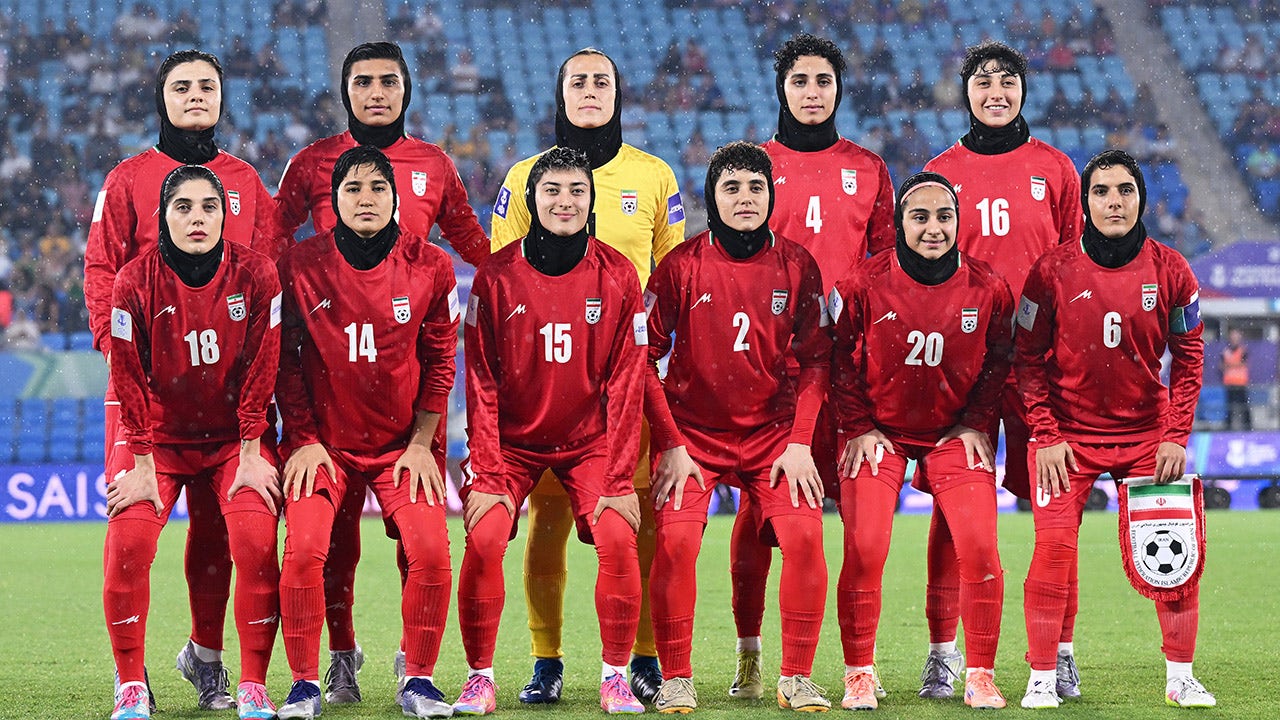
Amid ongoing tensions and conflict involving Iran, significant developments have unfolded concerning the Iranian women’s national soccer team currently in Australia. The situation has drawn international attention due to fears for the players' safety should they return to Iran. These concerns have led to multiple asylum requests by team members, highlighting the complex intersection of sports, politics, and human rights.
On Tuesday, Australian Minister of Home Affairs Tony Burke announced that another Iranian women’s soccer player, along with a team staff member, has accepted asylum in Australia. This news came just days after five players sought asylum on Sunday, marking a growing number of team members choosing to stay in Australia rather than return home. Burke explained that as the players and staff passed through Australian Customs at the airport before their scheduled flights back to Iran, nearly all were taken aside individually. During these private meetings, they were offered the chance to accept asylum without the presence of Iranian officials, allowing them a confidential environment to make their decisions. Some players and staff opted to accept asylum, while others chose to return to Iran amid concerns for their family’s safety.
This wave of asylum requests occurs in the context of heightened political pressure and escalating conflict involving Iran. The team had arrived in Australia prior to a joint military offensive launched on February 28 by Israel and the United States against Iran, which reportedly resulted in the death of Iran’s Supreme Leader Ali Khamenei. The timing of these events has intensified the fears among Iranian nationals abroad, particularly those who may be perceived as dissenters or disloyal by the Iranian regime.
Former U.S. President Donald Trump publicly weighed in on the situation, using his social media platform Truth Social to urge Australia not to send the players back. Trump described Australia’s potential action as a "terrible humanitarian mistake," warning that the players could face lethal consequences if forced to return to Iran. He also pledged that the United States would offer asylum to the players if Australia declined to do so. Following this, Trump tweeted that he had spoken directly with Australian Prime Minister Anthony Albanese, who he said was handling the situation well. Trump noted that five players had already been "taken care of," with others still considering their options. However, he acknowledged that some players felt compelled to return due to threats against their families, underscoring the difficult and delicate nature of their decisions.
The Iranian women’s soccer team’s presence in Australia is tied to the Women’s Asian Cup tournament. During the competition, the team’s actions drew widespread attention and were interpreted as subtle acts of resistance. For instance, in their opening match against South Korea on March 2, the Iranian players refused to sing their national anthem, a gesture that some viewed as defiance against the Iranian regime. An Iranian commentator labeled this act as the "pinnacle of dishonor," reflecting the deep political divisions surrounding the team’s conduct. Despite not qualifying in the tournament, the players did sing the anthem and salute the flag in subsequent matches against Australia and the Philippines.
Australian officials and community groups have expressed strong support for the players. Minister Tony Burke acknowledged the difficult position the athletes face and emphasized that Australia remains open to discussions should any member of the team wish to seek asylum. The Australian Iranian Council has been particularly vocal, launching an online petition urging the government to ensure that no team members are forced to leave Australia while credible fears for their safety remain. The petition highlights the risks of persecution, imprisonment, coercion, or worse for those perceived by the Iranian government as disloyal. It also notes that the current wartime environment has exacerbated repression and fear, increasing the dangers faced by the players.
Despite the asylum requests and international attention, some members of the team have expressed a desire to return to Iran. Iran’s head coach, Marziyeh Jafari, told Australia’s national news agency that the team wishes to come back to their home country "as soon as we can." This statement reflects the complex and personal nature of the decisions facing the players, who must weigh their safety against loyalty to their homeland and concern for their families.
The situation involving the Iranian women’s soccer team is emblematic of broader issues where sports intersect with geopolitics and human rights. The players’ asylum bids have become a focal point in discussions about the treatment of women in Iran, the consequences of political dissent, and the responsibilities of host nations during times of international conflict. Australia’s handling of the case has been scrutinized by global observers, while the U.S. has signaled