
Over recent weeks, the Middle East has been engulfed in escalating conflict centered around Iran and its tensions with Israel, the United States, and their allies. The situation has involved missile strikes, targeted assassinations, diplomatic maneuvers, and significant global economic repercussions, particularly related to energy markets and international shipping through the strategic Strait of Hormuz.
**Japanese Nationals Detained in Iran**
Japan’s Foreign Minister Toshimitsu Motegi announced that one of two Japanese citizens detained in Iran has been released and is returning to Japan. The individual had been held since 2025 and departed from Azerbaijan, expected to arrive in Japan shortly after the announcement. The second detainee remains in Iranian custody. Minister Motegi attributed the release to persistent diplomatic efforts with Iranian Foreign Minister Abbas Araghchi and confirmed ongoing negotiations to secure the release of the other detainee while maintaining communication with their families.
**Iranian Missile Strikes in Israel**
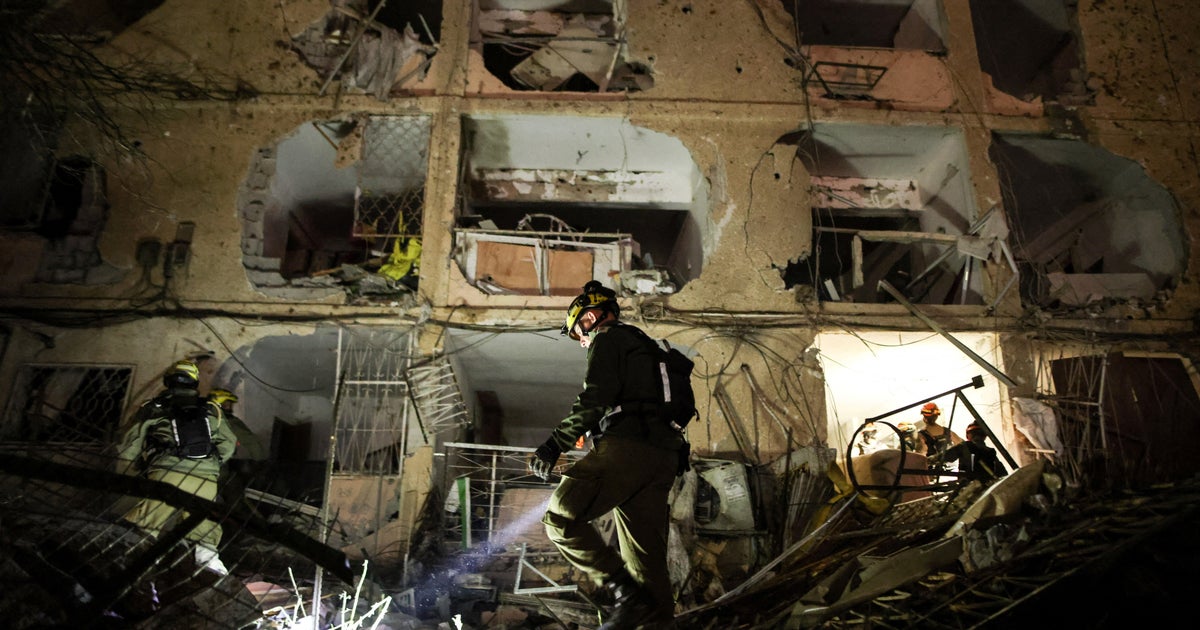
Early Sunday morning, Iranian missile attacks targeted the southern Israeli towns of Arad and Dimona, inflicting injuries on at least 104 people combined. Israel’s emergency rescue agency, Magen David Adom, reported 64 casualties from the Arad strike, including seven in serious condition. The Dimona attack wounded at least 40. Both towns lie near Israel’s main nuclear research center, making them of strategic significance. Iranian state media claimed these strikes were retaliatory actions for an earlier Israeli strike on Natanz, Iran’s primary nuclear enrichment facility.
Israeli authorities confirmed direct hits by ballistic missiles with warheads weighing hundreds of kilograms, noting that air defense interceptors had failed to neutralize the incoming threats fully. The strikes caused extensive damage, including fires and destruction of multiple buildings. Israeli Prime Minister Benjamin Netanyahu condemned the attacks, expressing condolences and pledging to continue military operations against enemy forces on all fronts.
**Israeli Military Response and Iran’s Retaliatory Threats**
Following the missile strikes on Israeli towns, the Israel Defense Forces (IDF) launched a fresh wave of airstrikes targeting Iranian infrastructure in Tehran. The IDF declared an escalation in operations aimed at degrading the Iranian regime’s capabilities.
Simultaneously, Iran’s military issued stern warnings that any attacks on its fuel and energy infrastructure would prompt retaliatory strikes against U.S. and regional energy, IT, and desalination infrastructure. This declaration followed U.S. President Donald Trump’s ultimatum demanding that Iran reopen the Strait of Hormuz within 48 hours or face destruction of its power plants, starting with the largest—Bushehr Nuclear Power Plant. The Strait of Hormuz is a vital maritime chokepoint responsible for the transit of approximately 20% of the world’s oil supply, and its closure by Iranian forces has significantly driven up global energy prices.
**Qatari Military Helicopter Crash**
In an unrelated incident, a Qatari military helicopter crashed in the Persian Gulf due to a technical malfunction during a routine flight. Qatar’s defense ministry initiated search and rescue operations. Details regarding the number of personnel aboard were not disclosed.
**Iran’s Ballistic Missile Program and Regional Threats**
Recent events included an unsuccessful Iranian missile strike on the Diego Garcia base in the Indian Ocean, a joint U.K.-U.S. military installation approximately 2,500 miles from Iran. The attack involved a two-stage intercontinental ballistic missile, capable of reaching European capitals such as Berlin, Paris, and Rome, far beyond the typical missile range Iran had previously declared. Israeli military leadership characterized the launches as acts of defiance, a demonstration of Iranian missile capabilities despite ongoing U.S. and Israeli strikes.
The United Kingdom condemned Iran’s missile attacks as reckless and a threat to British interests and allies. Although the U.K. has not directly participated in strikes on Iran, it has permitted U.S. bombers to operate from British bases, including Diego Garcia, to counter Iranian missile threats, especially those targeting the Strait of Hormuz.
**Energy Market Impact and U.S. Treasury Sanctions Adjustment**
The closure of the Strait of Hormuz and repeated attacks on oil and gas infrastructure have caused a sharp increase in global energy prices. Brent crude oil prices surged from about $70 per barrel before the conflict to over $110 per barrel. In response, the U.S. Treasury authorized the purchase of Iranian crude oil already aboard ships at sea, temporarily lifting sanctions on this oil to increase supply and help stabilize markets. However, Iranian officials dismissed the move, claiming Iran had no surplus oil in floating