
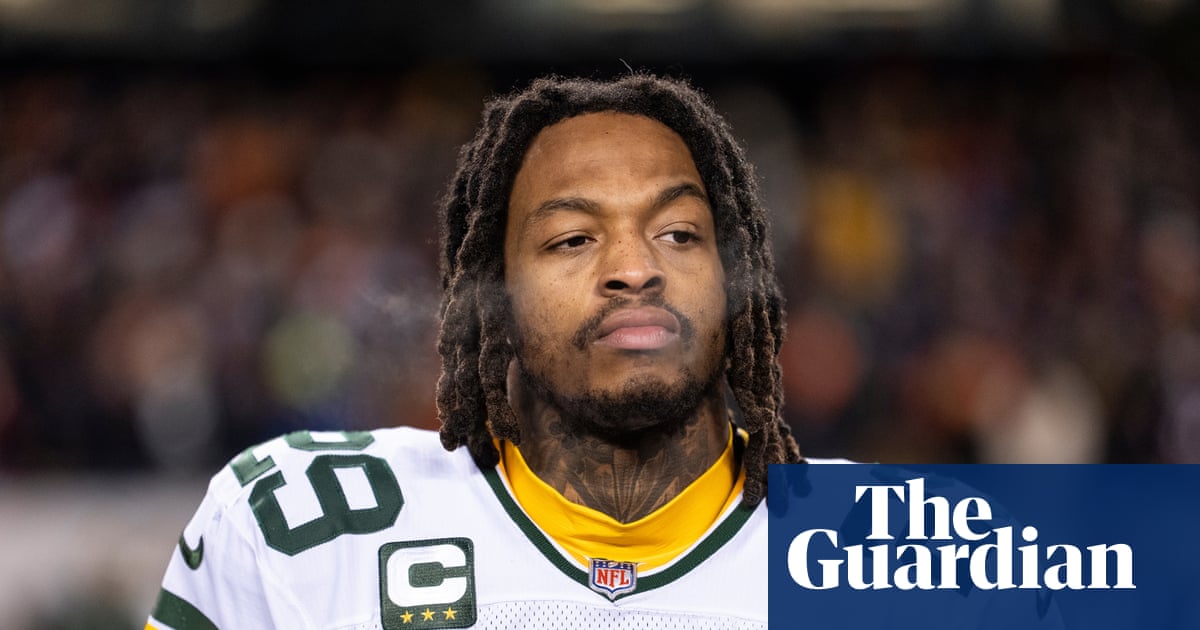
A recent lawsuit filed by Aliya Sports Finance Fund (ASFF), a lender specializing in loans to professional athletes, has brought to light a complex case involving alleged identity theft, fraud, and accusations of negligence against a prominent US sports industry loan broker, Sure Sports. The dispute centers around a $4.375 million loan that ASFF extended to a borrower it believed to be Xavier McKinney, a well-known player for the Green Bay Packers. However, it later emerged that the borrower was an impersonator, not the athlete himself, prompting allegations that Sure Sports failed to conduct adequate due diligence before facilitating the transaction.
The lawsuit, filed in Florida state court-where both companies are headquartered-details how ASFF relied on Sure Sports to vet the identity and creditworthiness of the purported borrower. Sure Sports, which has been operating since 2009, acts as a middleman between athletes seeking loans and lenders willing to provide financing. The company earns fees for these introductions and due diligence services, such as the $87,500 fee it charged for this particular loan. Over the years, Sure Sports has managed hundreds, if not thousands, of athlete loan deals, some of which have involved high interest rates and controversy.
According to court documents, the loan to the fake McKinney closed on April 2, 2024, shortly after the real Xavier McKinney signed a lucrative four-year, $67 million contract with the Packers. ASFF wired the funds to a bank account that, at the time, both the lender and Sure Sports believed belonged to McKinney. However, months later, it became apparent that the transaction was fraudulent. Aliya's complaint alleges that the borrower was actually a third party who had impersonated McKinney to procure and steal the loan proceeds.
The FBI has since launched an investigation into the matter, as confirmed in the lawsuit. On September 10, 2024, Sure Sports' founder Leon McKenzie notified Aliya that there were concerns about "the source that brought us McKinney" and indicated that further updates would follow as the FBI investigation progressed. Despite this alarming information and the ongoing federal inquiry, Sure Sports did not inform Aliya that there might be a problem with the loan or the borrower. Later, on October 20, 2024, Sure Sports reported that McKinney had requested a modification to his loan repayment schedule. When Aliya followed up a week later, Sure Sports finally disclosed that the loan may have been a scam perpetrated by an impersonator, and that the FBI was actively investigating the issue.
Aliya's lawsuit accuses Sure Sports of negligence, unjust enrichment, and negligent misrepresentation for failing to conduct proper due diligence and for not promptly alerting the lender about potential fraud. The complaint states that Aliya entered into the loan agreement based on the information and verification provided by Sure Sports, including assurances about the identity of the borrower and the legitimacy of his financial situation. The lender asserts that it suffered damages because the loan proceeds were stolen due to these failures.
Sure Sports responded by filing a motion to dismiss the case, arguing that Aliya had its own responsibility to conduct due diligence before approving the loan. The broker also contended that it could not be held liable for criminal acts committed by a third party. In the motion, Sure Sports highlighted that there was no history of the company underwriting loans for individuals found to be impersonators and that the complaint did not demonstrate that Sure Sports should have reasonably anticipated such a fraud. Moreover, the broker claimed that it was also deceived by the impersonator during the underwriting process.
However, less than two months after filing the motion, the judge denied Sure Sports' request to dismiss the case, allowing the lawsuit to proceed toward a three-week trial set to begin on July 13, 2025. Representatives for Sure Sports declined to comment on the ongoing litigation, while Aliya's attorney emphasized that the fund is working to protect its investors from harm caused by improper conduct but could not provide further details due to the pending case.
It is important to note that Xavier McKinney himself is not a party to the lawsuit and appears to be a victim of identity theft. The athlete's agency, Athletes First, declined to comment on the matter, and McKinney has no direct involvement in the legal proceedings. Aliya has filed motions to subpoena the NFL Players Association (NFLPA) for copies of McKinney's player contract and any related communications about the loan involving the labor union, McKinney, Sure Sports, and federal investigators. Additionally, Aliya has requested all financial documents and correspondence between Sure Sports and the individual(s) posing as McKinney. The NFLPA did not respond to requests for comment.
The issue of identity theft surrounding McKinney extends beyond this loan fraud case. According to a confidential source familiar with an active federal investigation, McKinney has been targeted in multiple identity-theft schemes currently under FBI scrutiny. On March 16, 2025, the Department of Justice indicted a man named Kwamaine Jerell Ford for allegedly running a phishing scam targeting professional athletes. The indictment also includes charges related to fraud and sex trafficking. Although victims in the indictment are identified only by initials or anonymized, the source confirmed that McKinney is among those affected.
This is not the first time Sure Sports has faced legal challenges. In 2022, a US bankruptcy trustee sued the company over its involvement in the financial case of NHL star Evander Kane. Sure Sports had arranged over $47 million in loans across at least 22 separate agreements to Kane between 2014 and 2019.
Kane filed for Chapter 7 bankruptcy in January 2021, citing debts exceeding $26 million despite earning significantly more in his professional hockey career. Sure Sports submitted a claim for $1.2 million in unpaid fees during the bankruptcy proceedings, but the trustee filed a lawsuit alleging Sure Sports failed to register as an agent in California, where Kane was playing at the time. The dispute was settled out of court in October 2024, just before trial, with Sure Sports agreeing to pay $452,000 to the trustee and dropping its own claims.
The current lawsuit involving the fake McKinney loan underscores the risks and complexities inherent in lending to high-profile athletes, who often require large sums and may be targeted by fraudsters. It also raises questions about the role and responsibilities of intermediaries like Sure Sports, who serve as gatekeepers in these financial transactions. With the FBI actively investigating the matter and a trial looming, the case is poised to shed light on the standards of due diligence in the sports lending industry and the measures needed to protect lenders and athletes alike from sophisticated scams.