
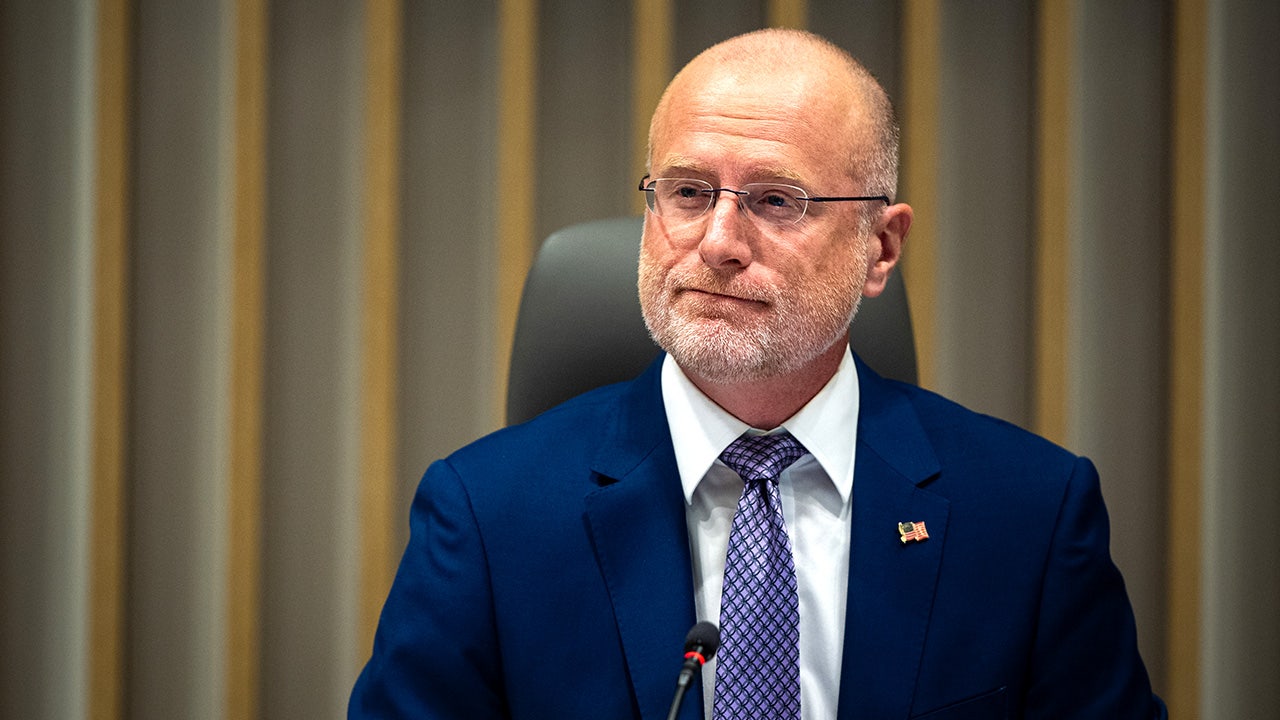
The rising costs and fragmentation of sports streaming services have become a growing concern for American sports fans, particularly those who follow the National Football League (NFL). As the NFL and other major sports leagues increasingly shift their games from traditional broadcast and cable television to various streaming platforms, viewers are facing the prospect of paying significantly more to watch their favorite teams. This shift has prompted the Federal Communications Commission (FCC) to investigate the issue, with FCC Chairman Brendan Carr taking a leading role in addressing the challenges posed by the evolving sports media landscape.
Starting in 2026, NFL fans are expected to encounter higher expenses if they want to watch the league's full schedule of games each week. Currently, subscribing to YouTube TV's "NFL Sunday Ticket" package can cost several hundred dollars, yet it does not provide access to every game. To watch the entire slate of NFL games, fans often need to subscribe to multiple streaming services, including Amazon Prime, Peacock, and Netflix. When combined, the total cost of these subscriptions can exceed $1,500 annually, not including additional fees or the cost of high-speed internet necessary to support streaming. This complex and expensive arrangement has left many fans frustrated and concerned about the accessibility and affordability of live sports content.
FCC Chairman Brendan Carr has made it a priority to support American sports fans amid this transition. He is particularly focused on the implications of leagues moving key games behind paywalls on streaming platforms rather than keeping them on traditional broadcast and cable channels. Carr has raised important questions about the NFL's antitrust exemption, a legal protection that allows the league to negotiate leaguewide television deals without violating U.S. antitrust laws. This exemption, granted under a 1961 law, has been crucial for the NFL's ability to market its games collectively and maintain broad access for fans.
However, Carr warned that the NFL's antitrust exemption could be at risk if too many games are placed exclusively behind paywalls on streaming services. Speaking at an event in Washington, D.C., Carr questioned whether the NFL should continue to benefit from this exemption when many games are no longer available on traditional, sponsored telecasts but instead are locked behind costly streaming subscriptions. He emphasized that there is "a point at which you sort of tip the scale, and they've just put too many games behind a paywall, and then that whole exemption collapses."
The potential loss of the NFL's antitrust exemption carries significant implications. If the exemption were to be revoked, the league might lose the ability to negotiate collective TV rights deals on behalf of all teams. This could lead to individual franchises selling their broadcasting rights separately, resulting in even greater fragmentation and higher costs for fans who want to watch games from multiple teams. Carr also highlighted broader questions about how media rights negotiations might be affected, including whether broadcasters themselves should be allowed to negotiate collectively if sports leagues no longer have that ability.
The FCC's involvement in this issue is part of a broader effort to understand and respond to the ongoing shift of live sports broadcasting from traditional television to streaming platforms. Last month, the FCC announced it would seek public comment on this trend, inviting consumers, industry stakeholders, and other interested parties to share their views. The comment period opened recently and will remain active through March 27, with replies due by April 13. This public input will help the FCC assess the impact of streaming on sports accessibility, affordability, and consumer satisfaction.
Chairman Carr acknowledges that while streaming technology offers certain benefits, such as on-demand viewing and additional content options, the drawbacks currently outweigh these advantages for many fans. "Americans are frustrated when they sit down and can't find the game they want to watch," Carr told Fox News Digital. "That feeling grows only worse when they realize that they might need to sign up for another streaming service to watch the game." This frustration stems not only from the high costs but also from the inconvenience of navigating multiple platforms, each with its own subscription requirements and user interfaces.
Carr advocates for preserving the traditional relationship between sports leagues and broadcasters, which has historically provided fans with reliable, free over-the-air sports programming. He believes that maintaining and enhancing this relationship will continue to benefit consumers by ensuring broader access to live sports without the need for multiple expensive subscriptions. "There has long been a strong and mutually beneficial relationship between sports leagues and broadcasters, and consumers will benefit if that continues," Carr said.
Despite the FCC's active role and Carr's public statements, the NFL has yet to respond directly to inquiries regarding the investigation or the potential consequences of losing its antitrust exemption. As the issue develops, fans and industry observers alike are watching closely to see how the NFL and other sports leagues will navigate the changing media landscape.
The situation reflects a larger tension in the media industry as streaming platforms disrupt traditional broadcasting models. Consumers increasingly face choices that involve juggling multiple subscriptions to access their preferred content, leading to what some describe as subscription fatigue. For sports fans, the stakes are particularly high because of the seasonal excitement and cultural significance of live games. The evolving distribution methods also raise questions about fairness, accessibility, and the long-term sustainability of sports broadcasting.
Fox News Digital is closely following these developments and will continue to provide coverage as the FCC's investigation progresses and as the NFL and other leagues adjust their media strategies. Fans interested in the latest updates can follow Fox News Digital's sports coverage on social media platforms and subscribe to the Fox News Sports Huddle newsletter for regular insights and analysis.
In summary, the cost and complexity of accessing NFL games through streaming services are escalating, prompting regulatory scrutiny and concern about the future of sports broadcasting. FCC Chairman Brendan Carr has highlighted the risk that the NFL's longstanding antitrust exemption could be jeopardized if too many games are placed behind expensive paywalls. This issue not only affects consumer costs and access but also the fundamental way sports media rights are negotiated and distributed. With the FCC seeking public input and the NFL yet to respond publicly, the coming months will be critical in determining how American sports fans will watch their favorite games in an increasingly digital and fragmented media environment.