
Cybersecurity expert and Fox News contributor Kurt Knutsson, known as the "CyberGuy," recently highlighted a growing cyber threat to everyday Americans, urging people to raise awareness about the increasing risks posed by cyberattacks linked to foreign adversaries, particularly Iran. Speaking on Fox & Friends, Knutsson emphasized that cyber warfare is no longer confined to government networks or classified systems. Instead, personal email accounts and other everyday digital assets are now front lines in this ongoing conflict, placing ordinary citizens at risk.
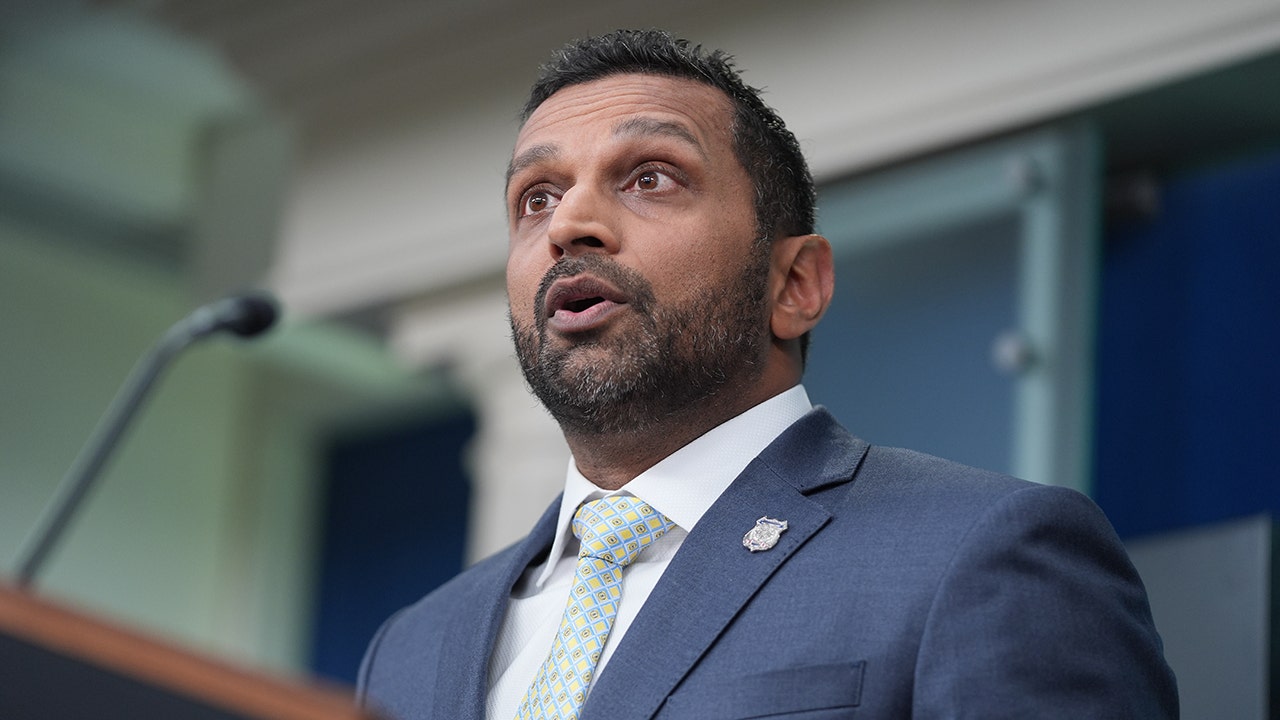
This warning comes in the wake of a recent cyber incident involving the personal email account of Kash Patel, the FBI Director. According to an FBI statement, "malicious actors" targeted Patel's personal email account, gaining access to a trove of information that included photos, travel details, and emails spanning more than a decade-from roughly 2011 through 2022. While no classified or government systems were compromised, the breach underscores a critical shift in cyber threats: attackers are increasingly exploiting personal accounts, which tend to have weaker security protections than official networks.
The hacking group that claimed responsibility for the attack is called the Handala Hack Team, an Iranian-based entity known for cyber operations aligned with Tehran's strategic interests. Although the FBI did not officially attribute the breach to Iran, the Handala Hack Team publicly posted some of the stolen photos and documents online. The U.S. State Department has responded by offering a reward of up to $10 million for information that leads to identifying members of this group, signaling the seriousness with which authorities are treating the threat.
Cybersecurity professionals describe the exposed data as a "personal junk drawer," filled with a variety of non-classified but potentially sensitive information. This characterization resonates with many people because most individuals accumulate a similar mix of personal communications, photos, and documents in their email accounts over time. The breach illustrates how these everyday digital "junk drawers" can become a goldmine for hackers seeking to gather intelligence, conduct espionage, or launch further attacks.
The targeting of Patel's personal email is not an isolated incident. U.S. intelligence and cybersecurity officials have long warned that foreign hacking groups linked to governments like Iran routinely target Americans connected to government, politics, or private industry. Such campaigns often intensify during periods of geopolitical tension. For example, hackers tied to Iran previously targeted individuals associated with the Trump administration and have attacked private companies. One recent incident involved a cyberattack on a U.S. medical device company that disrupted operations and disseminated propaganda connected to geopolitical conflicts.
This persistent and coordinated cyber activity shows a clear evolution in tactics. Cyber adversaries now prefer to exploit personal accounts because they are easier to breach than hardened government systems. Many users still rely on reused passwords, lack multi-factor authentication, and neglect regular security hygiene-all vulnerabilities hackers exploit. Once inside a personal email account, attackers can access other linked accounts, intercept sensitive communications, gather personal data, and potentially impersonate the victim for further malicious activities.
Kurt Knutsson stresses that protecting oneself from these threats does not require advanced technical skills-just smarter digital habits. He recommends several practical steps to bolster cybersecurity:
1. **Enable Two-Factor Authentication (2FA):** This adds an extra layer of security by requiring a second verification code when logging in, making it significantly harder for hackers to gain access even if they have the password. Since email accounts often serve as the master key to other services, securing them first is crucial.
2. **Use Unique Passwords for Each Account:** Reusing passwords across multiple sites is a major security risk because a breach on one platform can compromise all others. Password managers can help generate and store strong, unique passwords safely.
3. **Clean Up Old Emails and Files:** Personal email accounts often harbor years of accumulated data, including sensitive financial or travel information. Deleting unnecessary emails or moving important documents to secure storage reduces the amount of information available to attackers if a breach occurs.
4. **Be Vigilant About Phishing Attempts:** Hackers use stolen data to craft convincing, personalized emails designed to trick recipients into clicking malicious links or sharing additional information. Always verify sender addresses and avoid clicking on suspicious links. Installing robust antivirus software can help detect and block threats automatically.
5. **Limit Personal Information Available Online:** Data broker companies collect and sell personal details like addresses and phone numbers, which can be leveraged by hackers. Using data removal services to reduce your digital footprint can make it more difficult for attackers to gather intelligence.
6. **Keep Devices Updated:** Software updates patch known security vulnerabilities. Delaying updates leaves devices exposed to exploitation by attackers.
7. **Use Separate Email Accounts and Aliases:** Having different emails for banking, shopping, and personal communication limits the damage if one account is compromised. Email aliases-alternate addresses that forward to your main inbox-can be disabled if they start receiving spam or appear compromised, protecting your primary email.
8. **Adopt Passkeys When Possible:** Passkeys replace passwords with device-specific, biometric-based authentication, which cannot be reused or phished, offering one of the safest ways to protect accounts.
The broader picture is clear: America faces highly capable cyber adversaries who adapt quickly and target both institutions and individuals. However, the most common entry points remain relatively simple-weak passwords, old or neglected accounts, and moments of inattention. This reality means that cybersecurity is not just the responsibility of government agencies but also of every individual user.
Knutsson encourages people to take ownership of their digital security by adopting these best practices today. He invites readers to reflect on their current security habits and share their concerns or experiences with cybersecurity through his website, CyberGuy.com.
This incident involving FBI Director Kash Patel's personal email serves as a wake-up call. It reveals that even the most high-profile individuals are vulnerable to cyberattacks targeting personal accounts, and it highlights the urgent need for everyone to strengthen their digital defenses. The evolving nature of cyber warfare demands vigilance, education, and proactive steps to protect personal information from those who seek to exploit it.
For those interested in learning more or seeking guidance on improving their cybersecurity, Kurt Knutsson offers resources including his CyberGuy Report newsletter, which delivers tech tips, security alerts, and tools designed to help users stay safe online. His work emphasizes that, while cyber threats are complex and constantly evolving, simple, smart actions can make a significant difference in reducing risk.
In summary, the recent hacking of FBI Director Kash Patel's personal email account by an Iranian-linked group underscores a new reality in cyber warfare: personal digital accounts are prime targets. Protecting these accounts with strong passwords, two-factor authentication, regular cleanups, and cautious online behavior is essential. As cyber adversaries grow more sophisticated, the responsibility to defend against these threats rests with each individual user as much as with government agencies. Taking these steps can help safeguard your digital life and contribute to broader national cybersecurity resilience.