
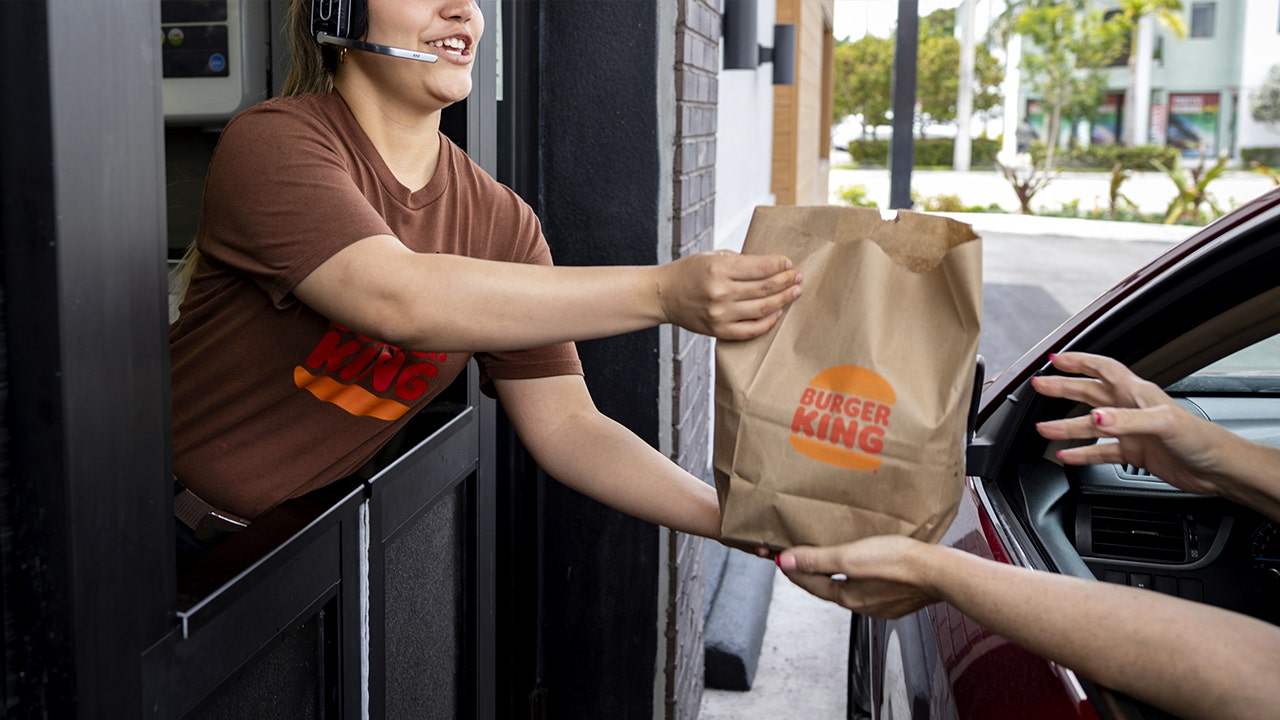
In an era where artificial intelligence (AI) is becoming increasingly integrated into everyday life, even fast-food restaurants are embracing the technology to enhance customer experience and streamline operations. One notable example is Burger King’s recent rollout of an AI-powered assistant named Patty, designed to monitor and improve employee interactions with customers at the drive-thru. This development highlights the growing intersection of AI and blue-collar work, raising important questions about the balance between efficiency, employee privacy, and the human touch in service industries.
Patty, powered by technology from OpenAI, listens to employee headset conversations during drive-thru transactions. Its primary function is to track the use of polite language such as “Welcome to Burger King,” “Please,” and “Thank you.” The AI compiles this data into reports that managers use to assess and coach staff on customer service standards. While Burger King executives emphasize that Patty does not record every conversation, they present the AI as a supportive coaching tool rather than a surveillance device. The goal is to foster friendlier interactions and smoother service, improving the overall customer experience.
Beyond monitoring manners, Patty serves multiple operational roles. It can answer employee questions about food preparation standards—such as the number of bacon strips on a sandwich—or cleaning procedures for kitchen equipment. Additionally, Patty flags inventory shortages and alerts managers when machines malfunction, helping to reduce service disruptions. The AI even tracks how often employees inform customers about unavailable menu items, providing data that can indicate supply chain issues. This information has already influenced menu decisions; for instance, the return of the apple pie, which had been removed in 2020, was partly driven by insights gathered through Patty’s monitoring.
Burger King began testing Patty in around 100 U.S. locations last year and plans to expand its presence to about 500 stores, aiming for a nationwide rollout by the end of the year. This move is part of a broader trend among fast-food chains experimenting with AI. Competitors such as Wendy’s, Taco Bell, McDonald’s, Pizza Hut, and KFC have all tested AI technologies in various forms, ranging from automated ordering systems to AI-driven operational efficiencies in drive-thrus. While some customers appreciate faster service enabled by these technologies, others have reported awkward interactions and glitches, revealing the challenges of integrating AI into customer-facing roles.
What sets Burger King’s approach apart is its focus on employee behavior rather than solely on customer convenience. Patty’s emphasis on monitoring politeness and hospitality underscores a shift toward using AI as a tool for workforce management. However, this development has sparked debate on social media and beyond. Critics argue that constant monitoring can create undue pressure on employees, who might be penalized for minor lapses like forgetting a polite phrase on a stressful day. Some view Patty as a form of workplace surveillance masquerading as support, raising concerns about privacy and the human cost of such technologies.
This tension around AI monitoring in fast food reflects a larger trend across industries. AI is increasingly used to measure performance in warehouses, offices, and retail environments, often tracking employees’ every move to optimize productivity. The entry of AI into fast-food headsets is a new frontier, where even brief verbal interactions become data points for management. The core issue is not just about ensuring politeness but about power dynamics in the workplace—how technology can shift control and accountability in ways that may not always benefit workers.
From a business perspective, fast-food chains operate on razor-thin profit margins, making any efficiency gains highly valuable. AI tools like Patty can help reduce waste, speed up service, and improve customer satisfaction, thereby enhancing profitability. Yet public perception is crucial. Customers tend to value authenticity and a genuine human connection, while employees seek fair and respectful treatment. Companies that successfully integrate AI will need to navigate these competing demands, ensuring that technology supports rather than undermines the human element of service.
For customers, the presence of AI assistants like Patty might translate to friendlier greetings, fewer out-of-stock items, and quicker service. AI’s ability to quickly detect inventory issues or equipment failures can lead to more consistent menus and shorter wait times. However, for employees, the experience is more complex. Every “please” and “thank you” is tracked and analyzed, potentially increasing scrutiny and workplace stress. Managers no longer rely solely on sporadic personal observations but have continuous data streams to evaluate performance, which can heighten accountability but also pressure.
Looking ahead, the example of Patty illustrates a future where AI quietly operates behind the scenes in nearly every transaction,