
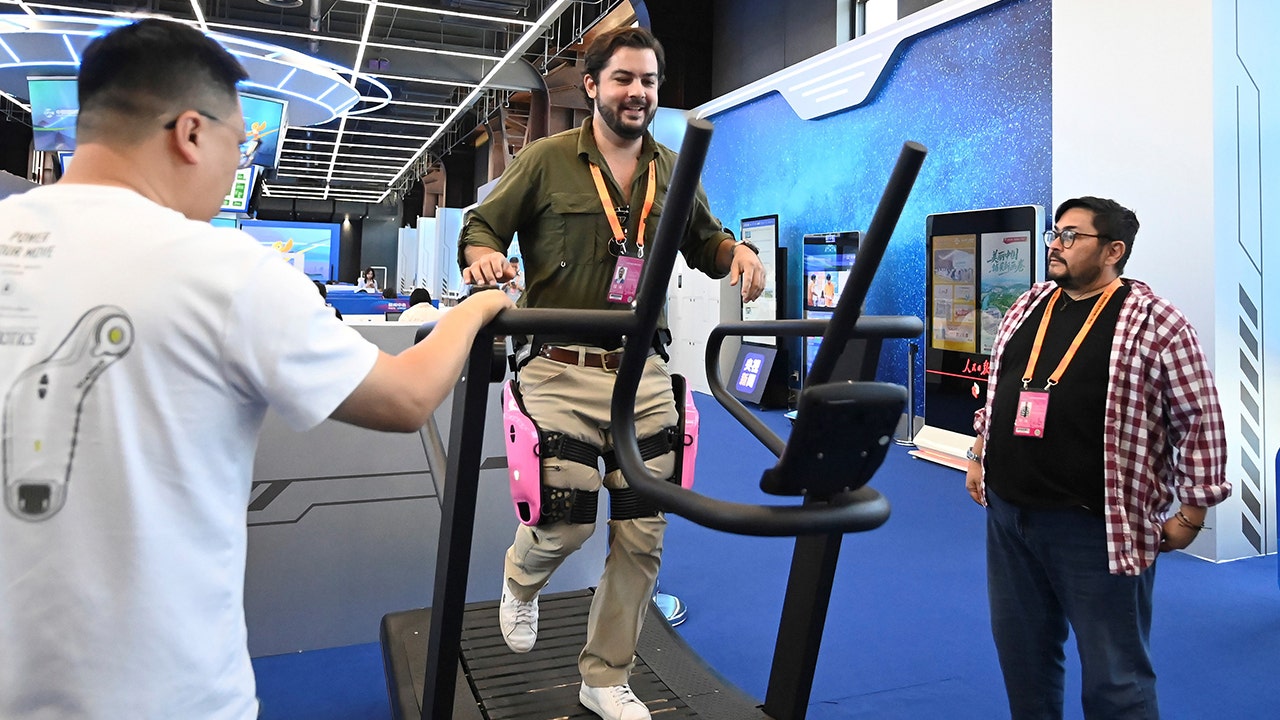
Wearable Robotics: The Future of Assisted Movement in Everyday Life
When most people think of robotics, images of factory machines or humanoid robots sprinting across test tracks come to mind. Traditionally, robotics has been confined to labs and industrial settings. However, a quieter yet significant revolution is unfolding much closer to home—around our ankles, knees, and hips. Wearable robotics, once the domain of research institutions, are now making their way into everyday life, offering new possibilities for assisted movement through technologies such as powered shoes and lightweight exoskeletons.
Unlike the early days of robotics, where the focus was on replacing human effort, this new wave of wearable robotics aims to support and enhance natural movement. This shift is broader than any single brand or product—it represents a fundamental change in how technology interacts with human mobility.
From Sports Innovation to Everyday Assistance
Historically, sports technology has concentrated on improving speed and performance for elite athletes. Innovations like lighter foam soles, carbon plates, and enhanced traction have aimed to shave seconds off race times. But the focus is now expanding to include everyday users who seek not speed, but endurance and reduced fatigue. One notable example is Nike’s Project Amplify, developed in partnership with robotics company Dephy. This system combines a carbon plate inside the shoe with a motorized cuff worn above the ankle. Equipped with sensors that track stride patterns in real time, the cuff provides subtle forward assistance designed to feel smooth and natural. Instead of forcing movement, it learns and adapts to the user’s gait.
Earlier attempts at powered footwear struggled because heavy batteries and motors were integrated directly into shoes, resulting in awkward and unbalanced designs. Modern developments address this by relocating energy storage to higher up the leg—above the ankle or at the hips—improving balance and reducing foot strain. Advances in battery technology and motion sensors allow these systems to adapt dynamically, making assisted movement feel less like using a device and more like extending one’s own body. Nike aims to bring such products to commercial markets around 2028, but they are far from alone in this emerging space.
Wearable Robotics for Everyday People
Anyone who has felt their legs grow heavy during a long walk understands the appeal of assistive wearable robotics. Whether it’s navigating an airport, strolling around the neighborhood, or climbing a few flights of stairs, most people are not trying to run faster—they just want to move without feeling exhausted. Recognizing this, companies are creating products aimed at “real people,” not just elite athletes or clinical patients.
The Hypershell X is a lightweight outdoor exoskeleton designed specifically for hikers and long-distance walkers. It wraps around the waist and legs, using small motors to reduce fatigue during climbs and on uneven terrain. Its goal is simple: help users go farther without feeling drained. Hypershell has also introduced the X Ultra, a more powerful version capable of assisting on steeper terrain and longer excursions, all while remaining compact enough to wear under standard outdoor gear. Both models are recreational devices focused on endurance support rather than medical treatment.
Similarly, the Dnsys X1 all-terrain exoskeleton targets outdoor enthusiasts seeking assistance on challenging hikes. This hip-mounted system has been made available to consumers through crowdfunding and direct online sales, marking it as one of the early commercial products in the wearable robotics market.
WIM by WIRobotics offers another example. This lightweight wearable robot, weighing approximately 3.5 pounds, supports natural hip movement during walking. It is designed for older adults, active individuals, and those recovering from minor injuries who desire extra help without bulky or clinical-looking equipment.
Medical Wearables Pave the Way
The medical applications of wearable robotics have a longer history, with companies such as Ekso Bionics and ReWalk developing powered exoskeletons that assist people with spinal cord injuries or stroke in standing and walking. These systems are primarily used in rehabilitation clinics and select personal mobility programs. They demonstrate how wearable robotics first proved their value in medical settings before influencing consumer designs.
While these medical devices vary widely in power, price, and purpose, they share a common goal: to actively assist movement rather than merely track or monitor it.
Bridging the Confidence Gap
An important but often unspoken barrier to movement is hesitation rather than injury. Many people fear knee pain emerging halfway through a walk or worry about running out of energy before reaching their destination. These concerns lead to shortened walks and canceled runs long before physical limits are truly reached