
The recent developments surrounding sports betting legislation in Wisconsin have stirred considerable controversy between the state’s Native American tribes and the Sports Betting Alliance (SBA), a coalition of major commercial sports betting operators. At the heart of the dispute is Wisconsin Senate Bill 592 (SB 592), introduced just 13 days ago, which aims to legalize digital sports betting in the state under the Indian Gaming Regulatory Act (IGRA), thereby placing control firmly in the hands of the state’s federally recognized tribes. However, comments made by the SBA’s lobbyist during a Senate committee hearing have been perceived by tribal leaders as dismissive and antagonistic, threatening to derail progress on the bill.
On Tuesday, lobbyist Damon Stewart appeared before the Wisconsin Senate Committee on Agriculture and Commerce to testify about SB 592. Representing prominent SBA members such as bet365, BetMGM, DraftKings, Fanatics Sportsbook, and FanDuel, Stewart argued that the bill in its current form would not “get the job done” because national commercial brands could not operate effectively under the IGRA framework proposed by the tribes. He warned lawmakers that a market dominated by tribal operators would limit consumer choice and fail to maximize revenue for the state. This stance was interpreted by tribal representatives as an affront to their capability and authority to manage sports betting within the state.
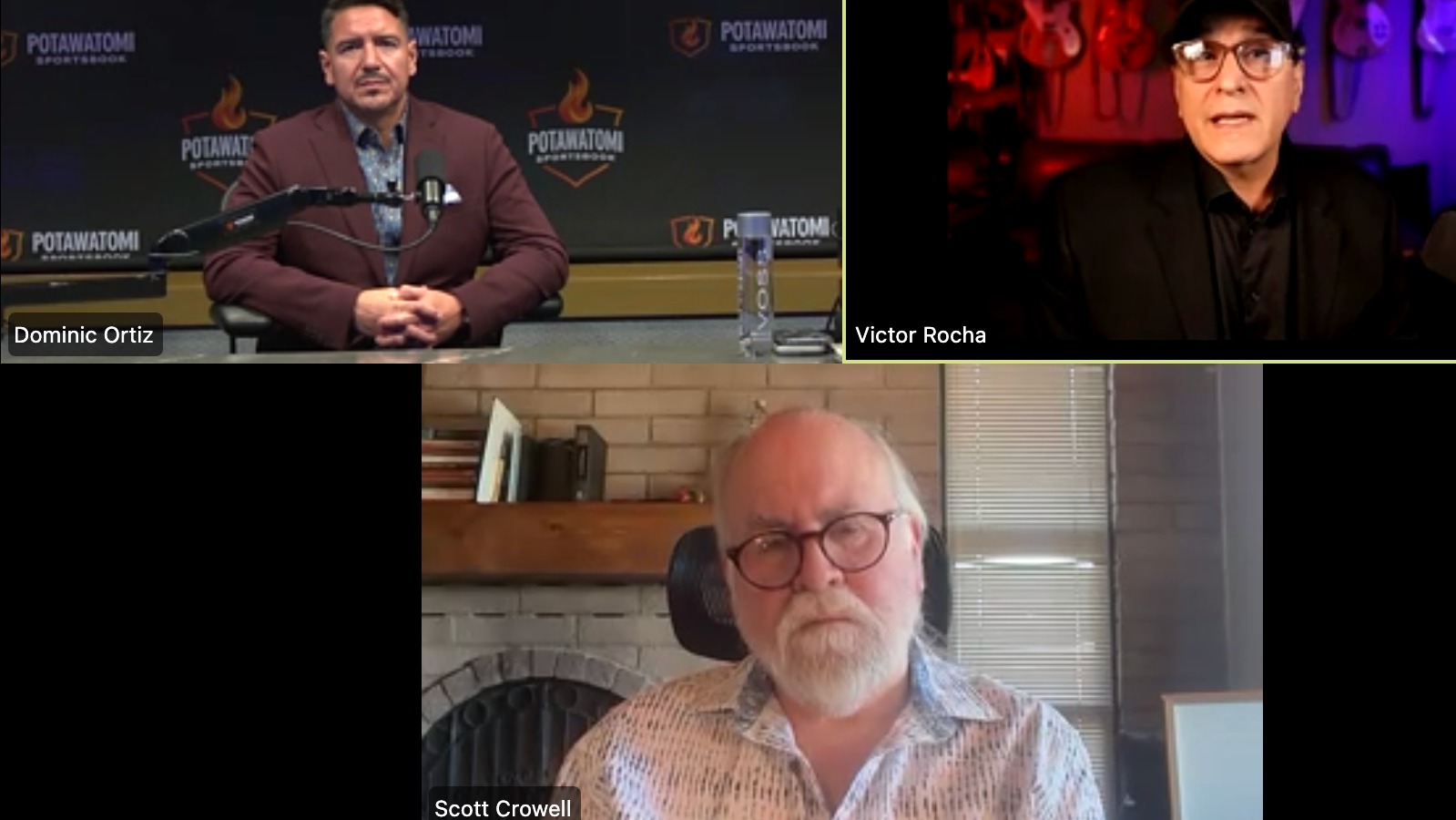
Dominic Ortiz, CEO and General Manager of the Potawatomi Hotel & Casino, expressed his frustration with the SBA’s approach in a Wednesday interview following the hearing. Ortiz noted that the SBA had not reached out to any of Wisconsin’s tribes prior to the hearing and took issue with Stewart’s implication that tribes lack the competence to run statewide mobile sports betting platforms. “What the SBA did was come to the table and tell us we are not capable of running this, and they said they were surprised that no one reached out to them,” Ortiz said. “Yesterday, they showed their face and showed their greed by saying that we don’t know what we’re doing.” Ortiz also shared that other tribal leaders across the state were similarly upset by the SBA’s testimony.
Wisconsin’s tribes hold gaming exclusivity rights within the state and collectively operate more than 20 Las Vegas-style casinos, several of which already offer retail sportsbooks. The Oneida Nation was the first to introduce in-person sports betting in Wisconsin in 2021. Given this extensive experience in gaming operations, the tribes feel strongly about their readiness and legal right to expand into digital sports betting under the IGRA framework.
The disagreement stems primarily from the revenue-sharing structure required under IGRA for commercial partnerships. In this model, a commercial operator partnering with a tribe must share 60% of gross revenue with the tribe, not just profits. Stewart highlighted that commercial operators find this split financially unfeasible, arguing that it would hinder their ability to enter or grow within the Wisconsin market. Lawmakers reportedly struggled to understand the distinction between revenue and profit sharing until Stewart clarified that the 60% share applies to gross revenue before expenses, which significantly impacts profitability.
This debate is not unique to Wisconsin. Across the United States, federally recognized tribes and commercial sports betting companies have frequently clashed over the governance and economics of legal sports wagering. In California, for example, tribes successfully blocked a commercial sports betting proposal in 2022, demonstrating their influence and desire to control gambling operations on tribal lands. Since then, commercial operators, led by industry giants like FanDuel and represented collectively by the SBA, have attempted to improve relations with tribes and find common ground. These efforts have included sponsoring tribal gaming conferences, engaging with tribal leaders at major gaming expos, and expressing condolences on the passing of prominent tribal gaming figures. Despite these overtures, meaningful partnerships between tribes and commercial operators remain limited and cautious.
In Wisconsin, the tribes’ proposed bill, SB 592, is designed to enable a “hub-and-spoke” model similar to the one in place in Florida. In Florida, the Seminole Tribe owns the Hard Rock Bet platform, which effectively holds a monopoly on sports betting by virtue of a compact with the state. This compact includes language specifying that all bets are considered placed where the receiving server is located, which in this case is on Seminole land. The Seminoles pay the state a fixed annual revenue share, reportedly around $500 million for the first five years. Other commercial operators may enter Florida’s market only through partnerships with the Seminoles, sharing a significant portion of their revenue with the tribe. Wisconsin’s tribes