
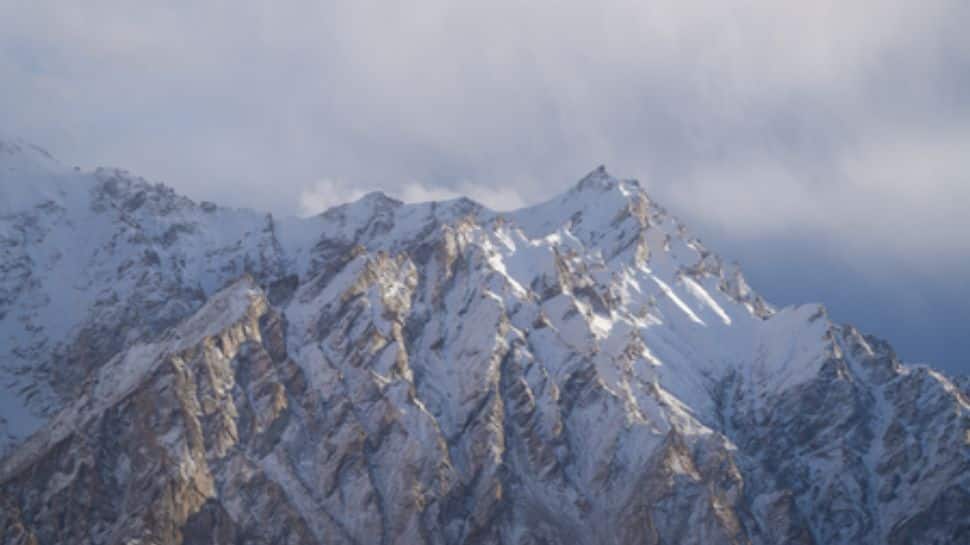
A tragic avalanche in northeastern Nepal has claimed the lives of at least seven climbers, including five foreigners and two Nepali guides, highlighting the persistent dangers faced by mountaineers in the Himalayas. The incident occurred on the slopes of Yalung Ri mountain, located in the Dolakha district, around 9:00 am local time. Rescue teams quickly mobilized but faced significant challenges due to harsh weather conditions and difficult terrain, which hampered timely assistance to the stranded climbers.
According to officials and the expedition agency Seven Summit Treks, the avalanche buried several climbers under a thick layer of snow, estimated to be 10 to 15 feet deep. As of the latest reports, rescuers have recovered two bodies, while search operations continue for the remaining five climbers feared trapped beneath the snow. Eight injured individuals were successfully rescued and transported to Kathmandu for urgent medical treatment. The deceased climbers included nationals from Italy, Canada, Germany, and France, as well as two experienced Nepali guides who were assisting the expedition. All members were part of a larger climbing group that had set out earlier in the day before the avalanche struck.
Local police chief Gyan Kumar Mahato provided insights into the rescue efforts, revealing that a helicopter managed to reach the Na Gaun area, approximately a five-hour trek from the Yalung Ri base camp. However, Mahato emphasized that ongoing bad weather and the rugged Himalayan terrain severely complicated the rescue mission. These obstacles delayed the arrival of rescue teams, which survivors believe might have contributed to the loss of more lives. One survivor recounted repeatedly calling for help after the avalanche but lamented the slow response time, stating, “Had the rescue arrived on time, more lives could have been saved.”
The group was reportedly engaged in preparations to climb the nearby Dolma Khang peak, which rises to 6,332 meters. Their itinerary included Yalung Ri, standing at 5,630 meters, as part of their acclimatization schedule, a common practice in high-altitude mountaineering to reduce the risk of altitude sickness. The sudden avalanche underscores the unpredictable and perilous nature of Himalayan expeditions, where weather conditions can change rapidly, and even experienced climbers face significant risks.
In a separate but related incident, the bodies of two Italian climbers were recovered from Panbari mountain in western Nepal. These climbers were part of a three-member team that had lost contact with their base camp following heavy snowfall on October 28. The recovery of their bodies adds to the growing toll on mountaineers in Nepal this season, raising concerns about safety protocols and the adequacy of rescue infrastructure in remote mountainous areas.
Avalanches are a well-known hazard in the Himalayas, especially during the autumn and spring climbing seasons when temperature fluctuations can destabilize snowpacks. The Dolakha district, where Yalung Ri is located, is known for its challenging climbs and is less frequented than some of the more popular trekking and climbing destinations in Nepal. This remoteness, while attractive to seasoned climbers seeking less crowded routes, also means that emergency response times can be longer and rescue operations more complex.
The international composition of the climbing group highlights Nepal’s continuing appeal as a premier destination for mountaineers worldwide. The country’s towering peaks, including the world’s highest summit, Mount Everest, draw adventurers from across the globe. However, this incident serves as a grim reminder of the inherent dangers of high-altitude climbing and the critical importance of preparedness, weather monitoring, and rapid rescue capabilities.
Nepalese authorities and expedition companies often work together to ensure climbers’ safety, including providing guides, arranging acclimatization schedules, and facilitating rescue operations in emergencies. Nonetheless, the terrain and weather conditions in the Himalayas frequently present formidable challenges beyond human control. In this tragic event, despite the best efforts of rescuers and guides, nature’s force proved overwhelming.
The loss of experienced Nepali guides alongside international climbers is particularly poignant. Sherpas and other local guides play a vital role in Himalayan mountaineering, offering expertise, support, and knowledge of the mountains that foreign climbers depend on. Their deaths are a significant blow to the local climbing community and underscore the shared risks faced by all who venture into these high-altitude regions.
As the search continues for any remaining victims and the injured receive medical attention, this tragedy has prompted calls for reviewing and enhancing rescue protocols and infrastructure in Nepal’s mountainous regions. Improved