
Google is planning to build a large artificial intelligence (AI) data center on Christmas Island, an Australian territory in the Indian Ocean. This development was reported by Reuters on Wednesday and follows a cloud computing agreement signed between Google and Australia’s military. The facility’s location is strategically significant, situated just 220 miles south of Indonesia in a region considered crucial for monitoring Chinese naval activity. The center aims to bolster naval surveillance capabilities in the Indo-Pacific waters, a region of growing geopolitical tension.
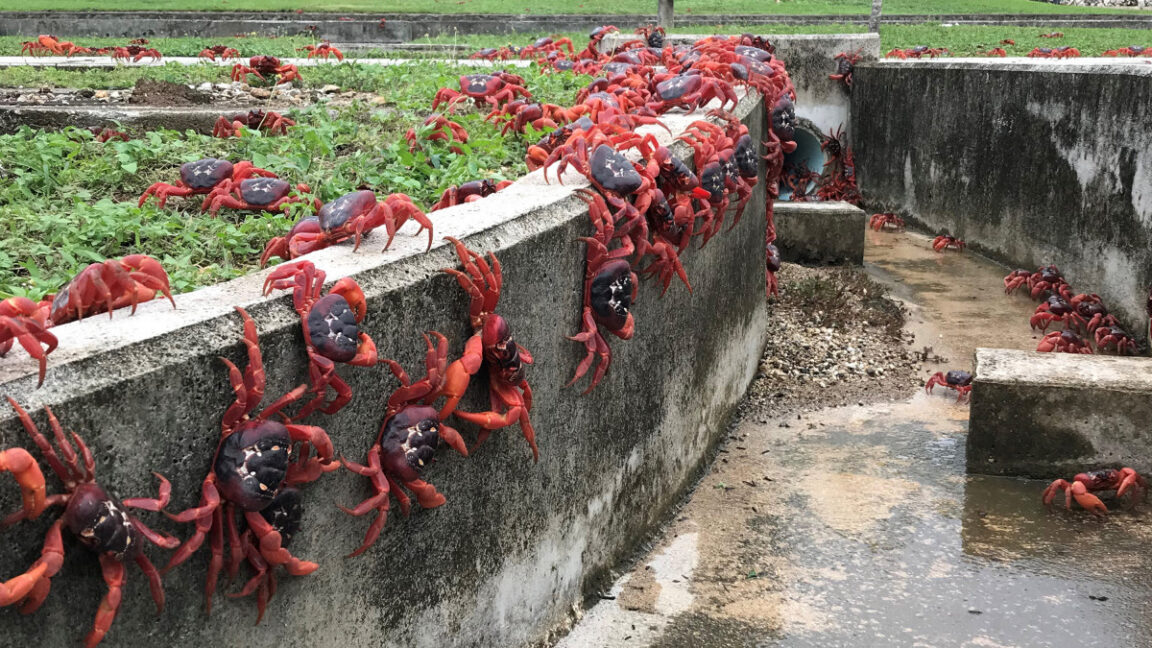
Christmas Island covers an area of about 52 square miles and is best known for its extraordinary annual migration of red crabs. Each year, over 100 million red crabs make a remarkable journey from the island’s forests to the ocean, where they spawn. This natural spectacle has drawn worldwide attention, including from famed natural historian Sir David Attenborough, who described witnessing the migration as one of his greatest television moments during a visit in 1990. The presence of this unique ecological event adds complexity to Google’s plans, as the company has applied for environmental approvals to build a subsea cable connecting the island to Darwin on Australia’s mainland. Darwin hosts U.S. Marines for six-month rotations each year, underscoring the military significance of the region.
The decision to build this AI data center follows a three-year cloud computing deal Google finalized with Australia’s military in July 2025. However, many specifics about the facility—including its size, cost, and detailed capabilities—remain undisclosed, with both Google and Australia’s Department of Defense declining to comment to Reuters. Despite the secrecy, experts recognize the potential impact of this infrastructure on regional security.
Bryan Clark, a former U.S. Navy strategist who has conducted war games involving Christmas Island, explained that the new facility would enable AI-powered military command and control operations. Recent joint military exercises with Australian, U.S., and Japanese forces have highlighted Christmas Island’s importance as a forward defense location. The island’s proximity to critical maritime chokepoints—such as the Sunda, Lombok, and Malacca straits—makes it an ideal vantage point for monitoring naval traffic, including submarines and commercial shipping vessels. These waterways are key arteries for global trade and strategic military movements, and maintaining situational awareness here is a priority for allied forces concerned about China’s growing naval presence.
Beyond its military and strategic role, Christmas Island faces challenges related to telecommunications infrastructure and economic development. The island’s population of roughly 1,600 residents has experienced limited economic opportunities, alongside poor connectivity to the mainland. The arrival of Google’s data center could mark a turning point, potentially bringing investment, jobs, and improved infrastructure to the remote community. However, local support is cautious and contingent on tangible community benefits.
Steve Pereira, President of the Christmas Island Shire Council, told Reuters the local government is carefully assessing the potential impacts of the project before granting construction approval. Pereira emphasized that while there is some support for the data center, it hinges on the facility delivering real value to the island through infrastructure improvements, employment opportunities, and economic growth. The community’s input will be a critical factor as the project moves forward.
One of the most delicate aspects of Google’s project involves its relationship with the island’s extraordinary red crab migration. Every year, starting in October and peaking in mid-November, millions of red crabs emerge from the forest and traverse the island’s roads, streams, and beaches to reach the ocean. Female crabs can release up to 100,000 eggs during spawning, and the tiny hatchlings then spend about nine days making their way back inland to the safety of the forest plateau. This journey is perilous, with many baby crabs falling prey to fish, manta rays, and whale sharks.
Parks Australia, the government agency responsible for managing the island’s natural resources, notes that although the migration occurs annually, the survival rate of baby crabs is typically low. Large-scale successful migrations, where significant numbers of juveniles survive to maturity, happen only once or twice per decade. These events are vital for sustaining the island’s red crab population over the long term. To protect the crabs during their migration, the island has implemented measures such as temporary road closures and specially constructed “crab bridges” that allow crabs to cross safely over busy roads.
Google’s proposed subsea cable and data center construction will need to navigate these environmental sensitivities carefully. The timing of the project overlaps with the crab migration season, which could pose risks to