
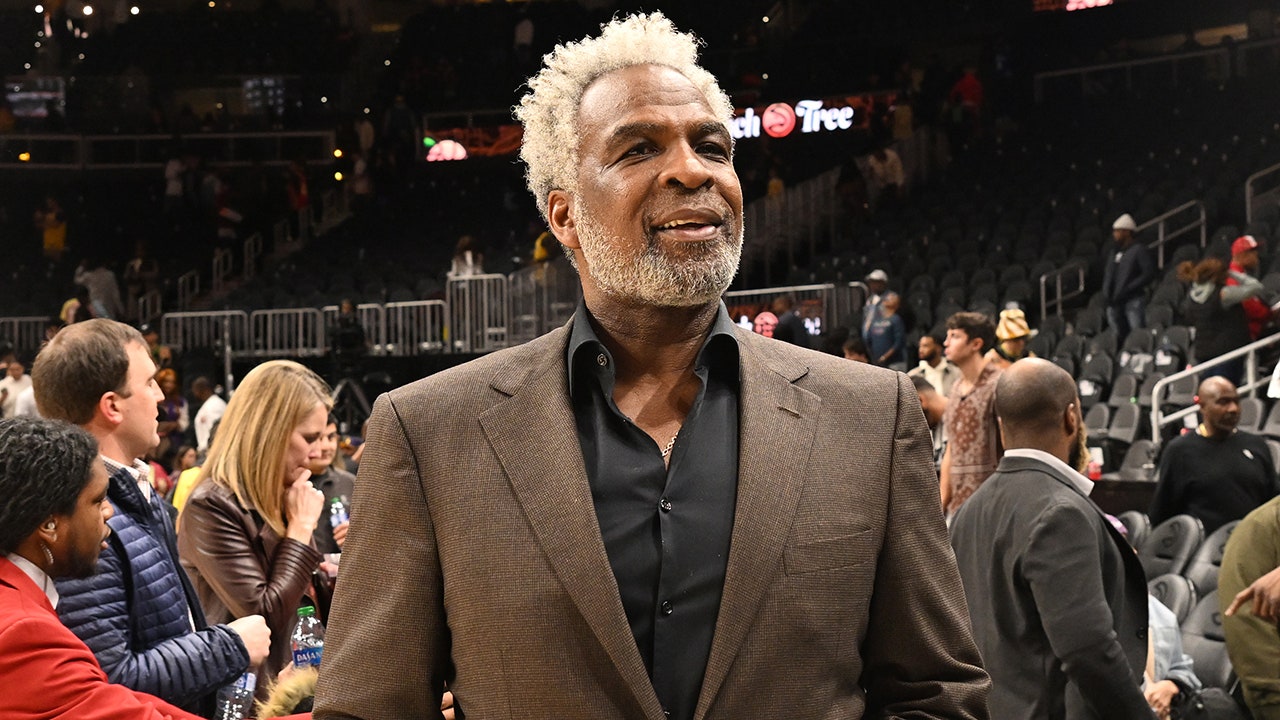
Former NBA star Charles Oakley has been ordered by a federal judge to repay the Madison Square Garden Company (MSG) approximately $642,000 in legal fees as part of an ongoing legal battle between Oakley and the New York Knicks’ ownership. The dispute traces back to a highly publicized incident in early 2017, when Oakley was forcibly removed from a Knicks game at Madison Square Garden after an altercation involving security personnel near the courtside area where Knicks owner James Dolan was seated.
The incident began when Oakley, a longtime Knicks player and fan favorite, was accused of physically assaulting a security official. The Knicks organization promptly condemned Oakley’s behavior in a public statement, describing his conduct as “highly inappropriate and completely abusive.” They announced that Oakley had been ejected from the game and was subsequently arrested by the New York City Police Department. However, the assault and trespassing charges against Oakley were later dropped.
Following the incident, Oakley filed a civil lawsuit against the Knicks and Madison Square Garden, alleging wrongful ejection and challenging the circumstances of his removal. The team countered by asserting that Oakley had been continuously yelling at Dolan, an accusation Oakley has consistently denied. Oakley maintains that he was asked to leave shortly after taking his seat, without any just cause, and he has not returned to Madison Square Garden since the incident. This estrangement occurred despite the Knicks’ recent resurgence as a competitive team.
The legal battle has been lengthy and complex. One point of contention arose when MSG sought to recover attorney fees related to obtaining access to Oakley’s deleted text messages, a request that significantly contributed to the $642,000 fees Oakley has now been ordered to reimburse. Oakley’s attorney, Valdi Licul, criticized the fee request as “wildly inflated” and stated that the court rejected most of MSG’s demand. Nonetheless, Licul indicated plans to appeal the decision, disputing any entitlement MSG has to recover fees.
Oakley’s relationship with Dolan and the Knicks has remained strained. In 2023, Oakley revealed that lawyers for Dolan had invited him to attend a Knicks game, but he declined the invitation. Oakley emphasized that for any reconciliation to occur, an apology from Dolan would be necessary. “They’ve got to apologize,” Oakley told The Associated Press. “Can (Dolan) be man enough to say mistakes happen, and he made one?” Oakley stressed the importance of honesty and transparency, explaining how the incident had profoundly affected his life and reputation. He noted how distressing it was for his daughter to see videos online of him being forcibly removed from the arena, calling it “hell for a kid to see that.”
In addition to seeking damages related to his ejection, Oakley has alleged that Dolan damaged his reputation by insinuating that Oakley had a substance abuse problem. At the time of the incident, Dolan publicly commented on Oakley’s behavior, stating, “He’s both physically and verbally abusive. He may have a problem with alcohol; we don’t know, right?” These remarks further fueled the legal dispute and Oakley’s claims of defamation.
The Knicks have experienced a notable turnaround on the court in recent years and are now considered one of the favorites to win the NBA Finals for the first time since their championship win in 1973. Despite this, Oakley remains excluded from Madison Square Garden and the team’s current celebrations, a reflection of the ongoing animosity stemming from the 2017 incident.
This legal and personal conflict encapsulates a complicated relationship between a former Knicks star and the franchise’s ownership. Oakley’s decades-long association with the team and his contributions as a player contrast sharply with the acrimonious fallout of his ejection and the subsequent legal proceedings. The recent ruling requiring Oakley to pay substantial legal fees marks another chapter in this long-standing dispute.
For now, Oakley’s legal team is preparing to challenge the court’s decision, signaling that the battle between Oakley and the Knicks organization is far from over. Meanwhile, the Knicks continue to build on their recent successes, aiming to add a championship to their storied history. As this saga unfolds, it highlights the complexities that can arise when personal conflicts intersect with professional sports organizations and the lasting impact such incidents can have on the individuals involved.