
Tech innovation is poised to take a giant leap beyond Earth’s atmosphere, as a startup called Starcloud prepares to launch one of the most powerful computer chips ever sent into space. This ambitious mission aims to transform how data centers operate by moving them into orbit, promising faster, greener, and more efficient computing that could revolutionize global technology infrastructure.
At the heart of this venture is NVIDIA’s H100 GPU, a cutting-edge graphics processing unit that currently powers some of the world’s most advanced artificial intelligence (AI) systems. Recognized for its extraordinary computing capacity, the H100 is nearly 100 times more powerful than any chip previously launched into orbit. Soon, it will ride aboard Starcloud’s inaugural satellite, Starcloud-1, roughly the size of a small refrigerator, headed into space.
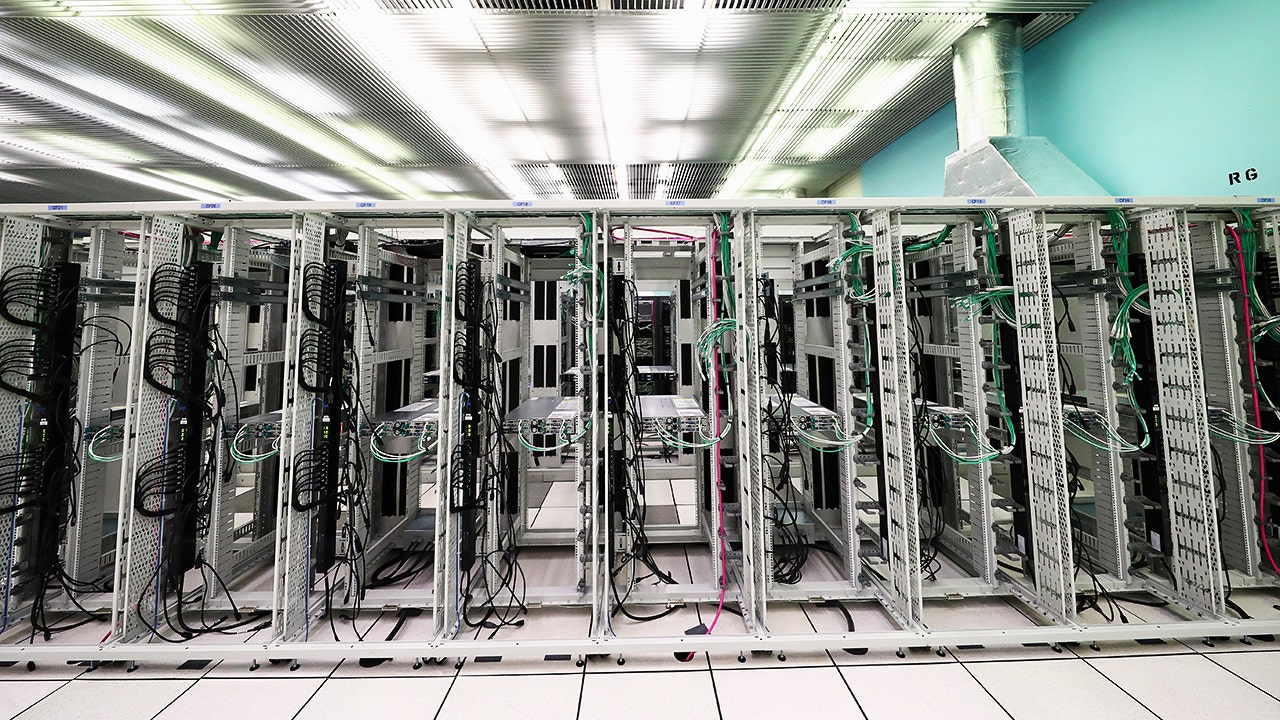
Starcloud is a Redmond, Washington-based startup with a bold vision: to build orbital data centers that harness the unique advantages of space to process vast quantities of data. Today’s terrestrial data centers — the backbone of the internet, streaming services, AI models, and countless online applications — consume enormous amounts of electricity and water to operate and stay cool. They also emit significant heat and greenhouse gases, contributing to local pollution and climate change. By contrast, space offers an environment where solar energy is abundant and cooling is naturally achieved in the cold vacuum, drastically reducing environmental impact.
Philip Johnston, Starcloud’s CEO, emphasizes the potential sustainability breakthroughs. “The only environmental cost is the launch,” he explains, “but after that, we could save ten times the carbon emissions compared with running data centers on Earth.” This promise of a greener, cleaner computing future arrives amid growing global demand for technology and urgent calls to reduce carbon footprints.
The mission’s immediate goal is to demonstrate the feasibility of processing satellite data directly in orbit. Traditionally, satellites collect vast amounts of information — such as images for tracking wildfires, monitoring crop health, or forecasting weather — but must send this data down to Earth for analysis, which can introduce significant delays. With the powerful H100 GPU in space, Starcloud intends to perform this analysis onboard, enabling real-time insights and faster decision-making on the ground. This could be a game changer for disaster response, agriculture, and environmental monitoring.
Beyond this, Starcloud plans to test Google’s Gemma language model in orbit, marking the first time a large AI model will operate in space. This milestone highlights the mission’s dual focus on advancing both hardware and AI software capabilities in the orbital environment.
Looking ahead, Starcloud’s ambition extends far beyond a single satellite. The company envisions constructing massive orbital data centers powered entirely by sunlight and cooled naturally by the cold of space. These facilities could be enormous — potentially spanning 2.5 miles (about 13,000 feet) across and capable of producing five gigawatts of power. Equipped with next-generation NVIDIA GPUs, such as the upcoming Blackwell series, these space-based centers would be capable of handling enormous AI workloads at a fraction of the cost and environmental impact of terrestrial data centers.
Key to this vision are the rapidly declining costs of space launches, which make deploying and maintaining such large infrastructure more practical than ever before. Johnston predicts that by the 2030s, many new data centers will operate in orbit, fundamentally reshaping the global computing landscape.
If successful, this innovation could have far-reaching effects. Cloud services — including apps, games, and AI-powered tools — might soon run in space, providing users with faster and more efficient performance. Additionally, space-based data centers could enhance Earth monitoring capabilities, improve weather forecasting accuracy, and save millions of gallons of water annually by eliminating the need for conventional cooling methods.
The Starcloud project illustrates a compelling synergy between cutting-edge technology and environmental responsibility, demonstrating how innovation and sustainability can advance hand in hand. It also signals a shift in the technological arms race, where compute power and AI capabilities are becoming critical strategic assets. As the boundaries of space exploration and digital infrastructure blur, the concept of floating data centers is transitioning from science fiction to tangible reality.
This exciting journey into space computing invites public reflection on the opportunities and challenges it presents. While the prospects of faster, cleaner, and more powerful data centers are thrilling, they also raise questions about risks, costs, and long-term sustainability. Starcloud’s pioneering mission is a crucial step in exploring these dynamics and charting a sustainable digital future.
Kurt Knutsson, known as “CyberGuy,” an award-winning technology journalist with