
Israel Receives Bodies of Hostages from Gaza Amid Ongoing Tensions
On Saturday, the Israeli government announced that it had received the bodies of two individuals from the Gaza Strip, which Hamas claims were hostages held in the Palestinian territory. The remains were delivered to Israeli authorities through the International Committee of the Red Cross (ICRC) and have been transported back to Israel, where formal identification procedures will be conducted.
This latest development comes in the wake of a controversial and fragile ceasefire agreement, brokered by the United States, which aimed to address the ongoing humanitarian and security crisis following months of intense conflict between Israel and Hamas. The ceasefire deal stipulated the release of all hostages held by Hamas in Gaza, both living and deceased, as a key condition. However, the process of returning the bodies of deceased hostages has been slower and more complicated than anticipated, fueling anger and frustration in Israel.
Background of Hostage Crisis and Ceasefire Agreement
The backdrop to these recent events is the devastating attack on southern Israel by Hamas-led militants on October 7, 2023. During this incursion, around 1,200 Israelis were killed, and 251 others were abducted and taken into Gaza as hostages. In retaliation, Israel launched a massive military campaign in Gaza, which has continued for months, resulting in widespread destruction and a significant humanitarian crisis within the enclave.
International mediation, particularly by the United States, eventually led to a ceasefire agreement last week. As part of the deal, Hamas committed to returning all remaining hostages—both those still alive and the bodies of those who had died—while Israel agreed to release hundreds of Palestinian prisoners and detainees from its jails. The ceasefire also included provisions for increased humanitarian access and the reopening of key border crossings, including the vital Rafah crossing between Gaza and Egypt.
Delays in Returning Hostages’ Bodies
Despite the agreement, the return of the bodies of deceased hostages has been slow. Prior to Saturday’s transfer, only 10 of the 28 known deceased hostages had been repatriated to Israel. The delay has caused widespread outrage among the Israeli public and government, who view the return of all hostages as a non-negotiable part of the ceasefire deal. Israeli officials have insisted that Hamas must fulfill its obligations without further delay.
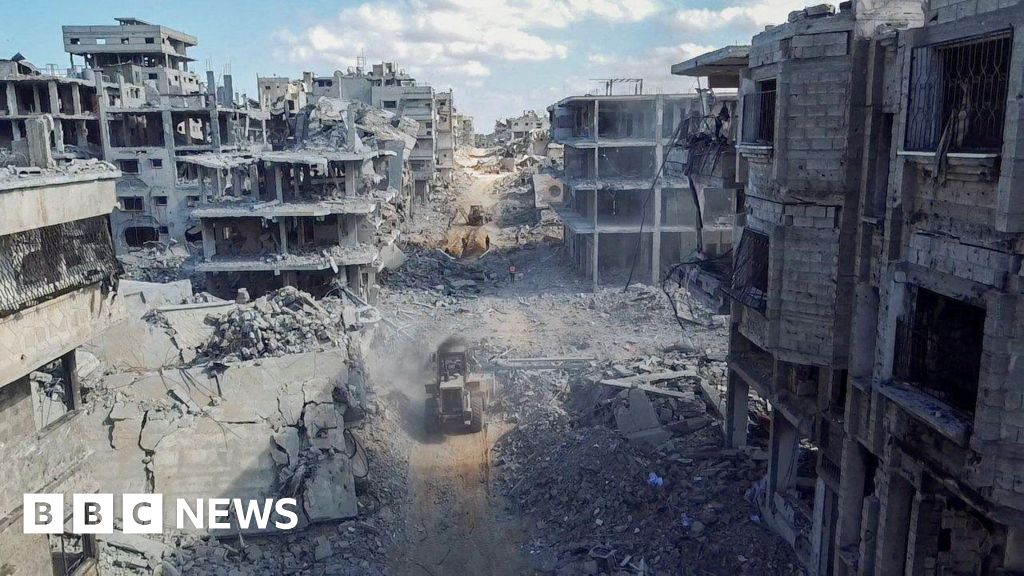
Hamas, for its part, has argued that the ongoing difficulty in recovering and returning all the bodies is due to the extensive destruction caused by Israeli airstrikes and military operations in Gaza. Many buildings in the enclave have been reduced to rubble, making it challenging to locate remains. Hamas has also accused Israel of hampering recovery efforts by refusing to allow the entry of heavy machinery and diggers into Gaza, equipment that would be necessary to clear debris and search for bodies.
The Israeli Prime Minister’s office has responded strongly to the delays, ordering the Rafah border crossing to remain closed until further notice. The reopening of Rafah, a crucial exit point for Palestinians seeking medical care abroad and for those wishing to return to Gaza, will be contingent on the full implementation of the ceasefire agreement, including the return of all hostages’ remains.
International Response and Disputed Terms
The United States has sought to downplay the significance of the delay in returning the bodies, rejecting claims that it constitutes a breach of the ceasefire agreement. During a visit to Israel and Egypt last week, President Donald Trump described the ceasefire as a major diplomatic achievement. However, the full text of the ceasefire deal has not been made public. Leaked versions reported in Israeli media suggest that the agreement may have accounted for the possibility that not all bodies would be immediately accessible, given the chaotic conditions on the ground in Gaza.
The United Nations has described the situation in Gaza as dire. Speaking to the BBC, UN humanitarian chief Tom Fletcher characterized the enclave as a “wasteland,” with civilians searching through the ruins of their former homes for the remains of their loved ones. The widespread destruction has left many families displaced and desperate, adding to the urgency of humanitarian efforts and the complexity of implementing the ceasefire.
Hostage and Prisoner Exchanges
In addition to the return of deceased hostages, the ceasefire agreement also included the release of all 20 living hostages held by Hamas in Gaza. This exchange was met with relief and celebration in Israel, though it was overshadowed by the continuing uncertainty over the fate of the deceased and the ongoing suffering in Gaza.
To