
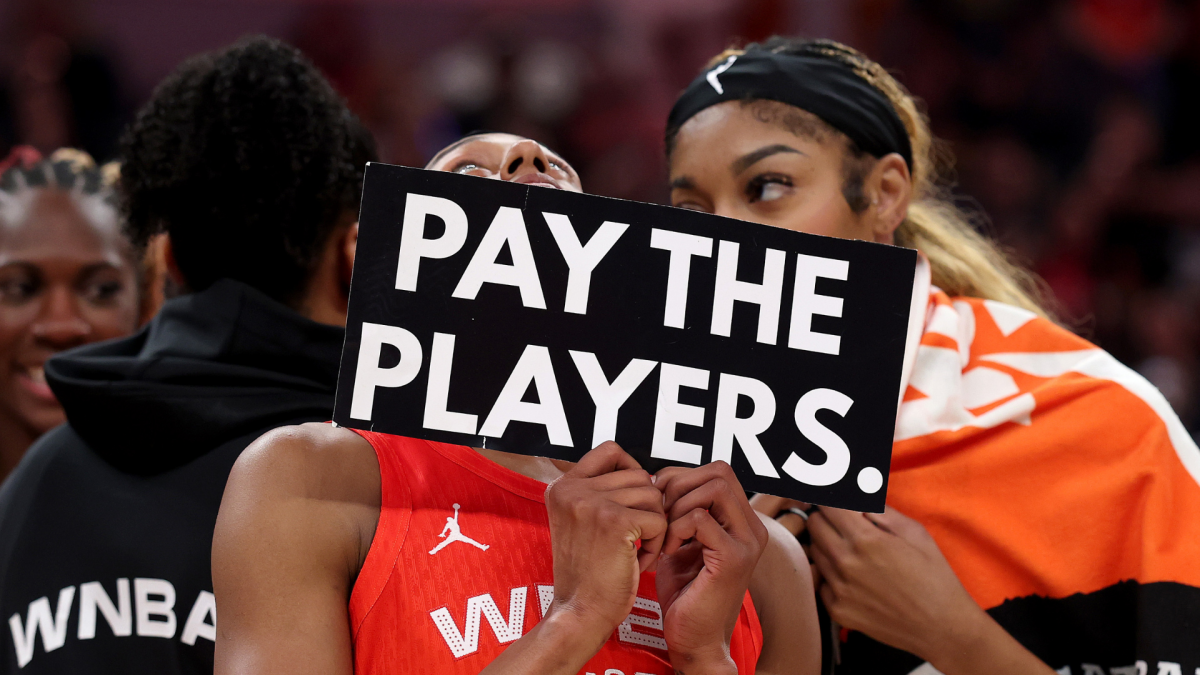
The Women’s National Basketball Association (WNBA) has recently presented a new collective bargaining agreement (CBA) proposal to the Women’s National Basketball Players Association (WNBPA) that could significantly reshape the financial landscape of the league and its players. According to the Associated Press, this offer contains groundbreaking salary increases, including a minimum salary that surpasses the current maximum salary cap for 2025, and for the first time in WNBA history, a maximum salary exceeding $1 million. This development marks a major milestone for the league, which has been steadily growing in popularity and competitiveness but has long faced challenges in terms of player compensation and revenue sharing.
### Background and Negotiation Timeline
The existing WNBA collective bargaining agreement was set to expire on October 31, but both the league and the players’ association agreed to a 30-day extension, pushing the deadline to November 30. This extension was intended to allow more time for negotiations, but reports indicate that the league is eager to avoid further delays or the risk of a work stoppage. Sources familiar with the league’s latest offer have described it as a “highly lucrative package” designed to entice the players toward a swift agreement and avoid disruptions that could affect the upcoming 2026 season and associated events such as the draft and free agency periods.
As the two sides continue talks in the lead-up to the 2026 WNBA Draft Lottery, the details of the league’s offer provide important insights into how the stalemate might be broken and what the future of player compensation in the WNBA could look like.
### Salary Increases and Financial Impact
To put the offer into perspective, the current minimum salary for WNBA players with zero to two years of service stands at approximately $66,000, with those having three or more years making about $78,800. The maximum salary under the existing deal is $214,466, and the average salary hovers around $102,249.
The new proposal, however, would raise the minimum salary to over $220,000, more than tripling the lowest salaries. Meanwhile, the maximum salary would increase dramatically to more than $1.1 million, a more than fivefold increase from current levels. The average salary would also see a considerable jump, rising to over $460,000. Such increases would be transformative for many players, especially those who currently earn modest sums and rely heavily on additional income sources off the court.
### Players’ Core Demands: Beyond Salary
Despite these substantial salary improvements, the players have emphasized that their negotiations are about more than just immediate pay raises. Over the past year, the WNBPA has outlined several key demands aimed at improving their overall working conditions and long-term financial security. These include better benefits, the formal codification of charter flights to reduce travel strain, adjustments to roster sizes, scheduling improvements, enhanced officiating standards, and changes to league rules such as the prioritization rule.
However, the most critical demand remains the establishment of a new revenue sharing model. Currently, WNBA players receive about 9% of league revenue, a figure that pales in comparison to the 49-51% share of basketball-related income that NBA players receive under their collective bargaining agreements. The existing WNBA CBA does contain a clause that triggers revenue sharing if the league meets specific financial benchmarks, but these targets have never been reached, largely due to the setbacks caused by the COVID-19 pandemic.
WNBA players argue that salary increases tied only to a fixed percentage growth—currently set at 3% annually—do not adequately reflect the growth and popularity of the league. Instead, they are pushing for a compensation model that scales more directly with the league’s revenues, ensuring that players benefit proportionally from the business’s success.
### Points of Contention and Player Sentiment
The league’s latest offer reportedly maintains the current fixed-rate salary increase model, which means it does not meet the players’ core demand for a revenue sharing system. This divergence remains the key sticking point in negotiations. While the salary increases proposed are substantial and would dramatically raise players’ earnings, the lack of a new revenue sharing framework has left many players hesitant to accept the deal outright.
Kelsey Plum, the WNBPA’s first vice president, has articulated this sentiment clearly, comparing the negotiation to deciding on a restaurant before ordering food. She emphasized that revenue sharing is the “meat and potatoes” of the deal, with salary increases being secondary if the