
In recent scientific and environmental developments, several notable events have come to light, ranging from ecological changes in remote regions to pressing public health concerns and hopeful news about endangered species. These stories collectively highlight the complex interplay between climate change, disease transmission, and conservation efforts in our rapidly evolving world.
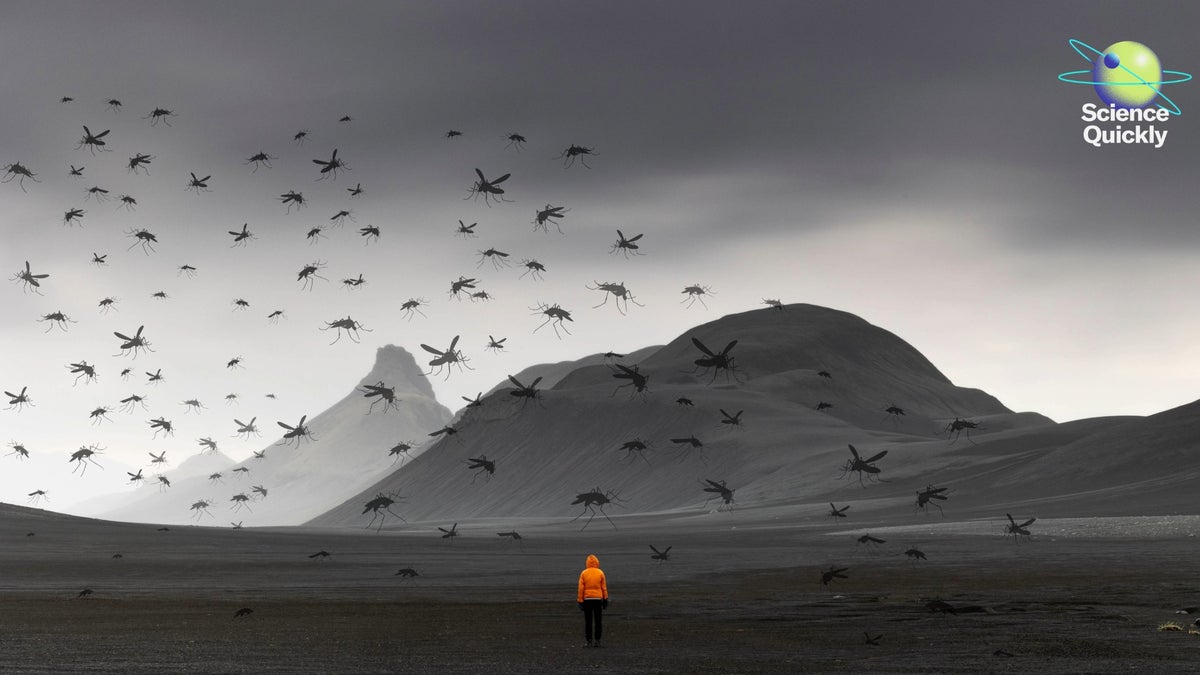
One striking example of climate change’s tangible impact is the recent invasion of mosquitoes in Iceland, a country long considered a mosquito-free haven. Historically, Iceland’s harsh climate—with its extreme temperature swings between freezing and thawing—has prevented mosquitoes from establishing populations on the island. This absence made Iceland unique among northern countries, where mosquitoes typically thrive during warmer seasons. However, as global temperatures rise, this once-protective barrier has weakened. Earlier warnings, including a 2016 New York Times article, suggested that Iceland’s mosquito-free status might be under threat if warming trends continued unabated. Now, these predictions have been confirmed: an insect enthusiast discovered three mosquitoes in the wild, and experts have verified that these insects are indeed mosquitoes, marking the first confirmed residency of these pests in Iceland. This development underscores the accelerating effects of climate change, particularly in Arctic and near-Arctic regions, which are warming nearly four times faster than the global average, according to a 2022 study published in Nature. The arrival of mosquitoes in Iceland may have significant ecological and public health implications, as these insects can serve as vectors for various diseases and disrupt local ecosystems.
Complementing this unsettling news about Iceland is new research highlighting a broader planetary shift: the Earth is becoming darker, a phenomenon that could further exacerbate global warming. A study recently published in the Proceedings of the National Academy of Sciences (PNAS) reveals that the Earth’s albedo—the measure of how much sunlight the planet reflects back into space—is decreasing, particularly in the Northern Hemisphere. This hemisphere is reflecting less sunlight due to multiple factors, including melting ice and snow, which reduce the white surfaces that typically bounce sunlight away. Warmer air in the north also holds more water vapor, a greenhouse gas that absorbs solar radiation. This combination creates a feedback loop: as the Northern Hemisphere absorbs more heat, it warms further, leading to even less reflectivity and more heat absorption. This dynamic not only accelerates regional warming but may also have global climate repercussions, underscoring the urgency of addressing climate change. The darker Earth phenomenon adds complexity to climate models and highlights the need for continued research into feedback mechanisms that influence global temperature trends.
Shifting focus from climate to public health, bird flu has returned with renewed vigor after a summer decline. The resurgence coincides with the annual southern migration of wild birds, which facilitates the spread of the virus as wild and domestic birds come into closer contact. Since September 2025, bird flu outbreaks in the United States have caused the deaths of approximately seven million farmed birds, including over a million turkeys. The consequences are not only biological but economic, as wholesale turkey prices have surged by about 40 percent compared to the previous year. Compounding the challenge of managing this outbreak is the ongoing U.S. government shutdown, which has disrupted critical communication between federal health agencies such as the Centers for Disease Control and Prevention (CDC), the U.S. Department of Agriculture (USDA), and state health departments. The shutdown has also forced CDC researchers to miss IDWeek, a major infectious disease conference where experts typically share insights on diseases like bird flu and HIV. These disruptions hinder effective disease tracking and response efforts, potentially allowing outbreaks to spread more rapidly. For those interested in a deeper understanding of bird flu’s history and future, Scientific American has produced a miniseries exploring these topics in detail.
In related news at the intersection of agriculture and human health, new research points to a surprising link between food safety and urinary tract infections (UTIs). A study published in the journal mBio examined E. coli strains isolated from over 5,700 California patients with UTIs. Researchers also tested retail meat samples from the neighborhoods of these patients to determine if infections might originate from animal sources. The findings suggest that approximately 18 percent of the UTIs studied could be traced back to E. coli strains commonly found in animals, particularly in chicken and turkey meat. Notably, individuals living in low-income communities were 60 percent more likely to contract foodborne UTIs than those in wealthier areas. While this study does not definitively prove causation, it highlights the importance of rigorous food safety practices. Experts recommend thoroughly cooking all meat