
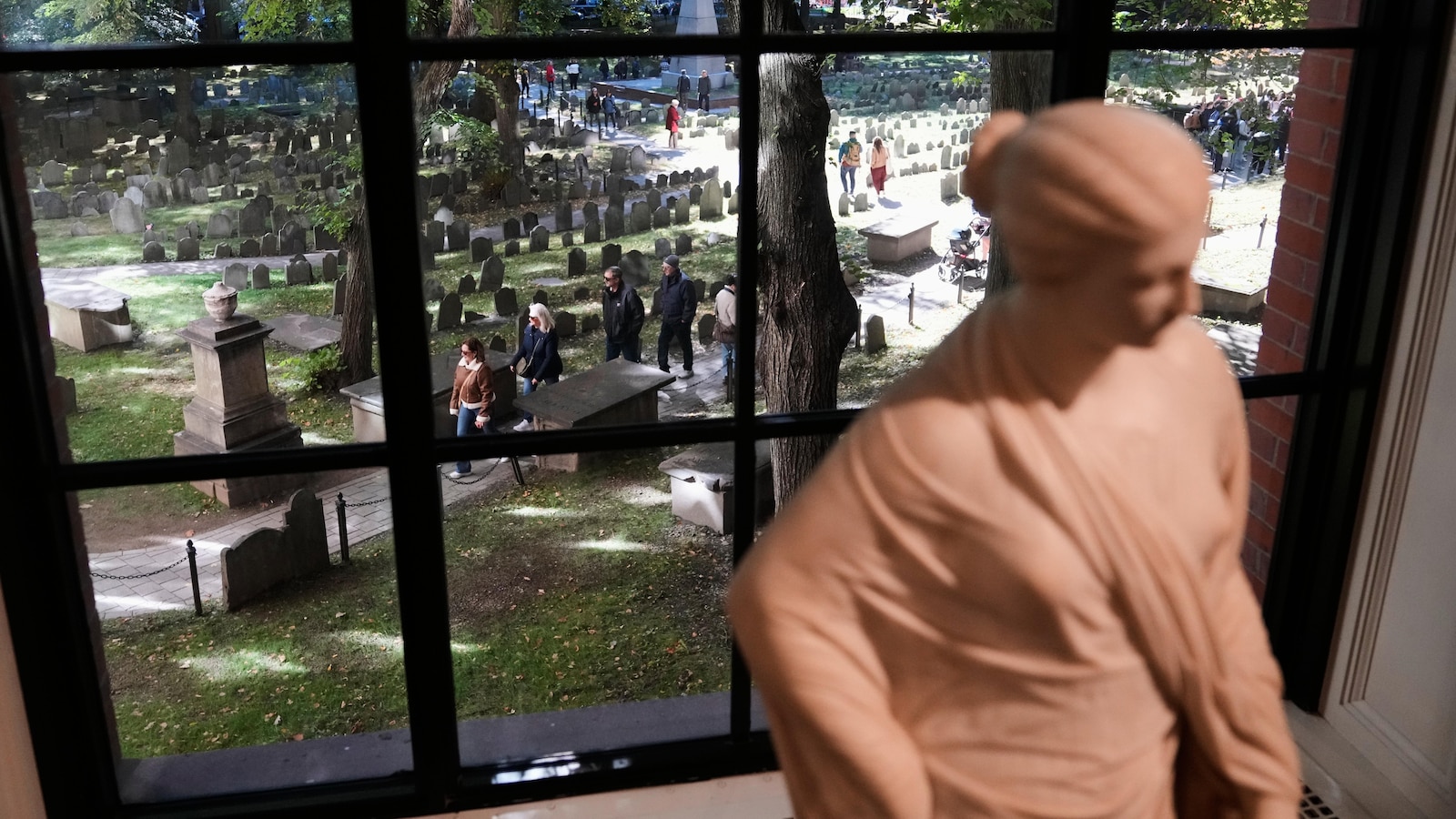
In the heart of New England, centuries-old private libraries known as athenaeums are captivating book lovers, historians, and curious visitors alike by blending rich history with modern-day comfort. These venerable institutions, some dating back to the 18th and 19th centuries, preserve vast collections of rare and historical books, while offering inviting spaces for reading, research, and community engagement. Among the most notable is the Boston Athenaeum, a stunning library adjacent to Boston Common, which continues to serve as both a cultural landmark and a sanctuary for those who cherish the written word.
For David Arsenault, a frequent visitor to the Boston Athenaeum, the experience of handling a worn, leather-bound book from the 19th century is nothing short of awe-inspiring. Many of the half a million volumes housed in this labyrinthine institution predate his great-great-grandparents, making each book a tangible piece of history. Whether it is a frayed copy of a Charles Dickens novel, a Civil War-era biography, or a genealogical record of a small town, each item has a story and a heartbeat. “It almost feels like you shouldn’t be able to take the books out of the building, it feels so special,” Arsenault said. “You do feel like, and in a lot of ways, you are, in a museum — but it’s a museum you get to not feel like you’re a visitor in all the time, but really a part of.”
The Boston Athenaeum is one of approximately twenty member-supported private libraries of its kind in the United States, known as athenaeums—a name derived from the Greek word meaning “temple of Athena,” the goddess of wisdom. These institutions predate the modern public library system and were originally established by groups of merchants, doctors, writers, lawyers, and ministers. Their goal was to create spaces where reading, then a costly and less accessible pursuit, could be cultivated alongside cultural exploration and intellectual debate. This blend of scholarship and community spirit continues to define athenaeums today.
Athenaeums are far from dusty relics of the past; they remain vibrant hubs for a variety of activities. Patrons come to play games, participate in literary discussions—such as deep dives into the works of James Joyce—or conduct genealogical research. The Boston Athenaeum, in particular, boasts some of the nation’s most treasured artifacts, including the largest collection from George Washington’s personal library at Mount Vernon. This unique blend of historical preservation and contemporary engagement makes athenaeums special places that connect past and present.
In addition to safeguarding historical materials, these libraries actively support living artists and authors who may have been overlooked by mainstream institutions. For example, the Boston Athenaeum recently co-hosted an exhibit featuring the works of Allan Rohan Crite, a painter who passed away in 2007. Crite’s art vividly depicts the joy and everyday life of Black communities in Boston, adding valuable cultural narratives to the library’s offerings.
Despite their diversity and unique histories, all athenaeums share a common thread: a deep love for books and the people who cherish them. Matt Burriesci, executive director of the Providence Athenaeum in Rhode Island, emphasized this connection. “The whole institution is built around housing the books,” he explained. “The people who come to this institution really appreciate just holding a book in their hands and reading it the old-fashioned way.”
The Providence Athenaeum is itself a marvel, designed to resemble an imposing Greek temple, echoing the classical roots of the athenaeum concept. Visitors often remark on the joy of entering its doors for the first time. After climbing a series of cold granite steps, they are welcomed by a thick wooden door that opens into a warm, inviting space filled with cozy reading nooks, hidden desks meant for leaving secret messages to fellow patrons, and shelves overflowing with books. Burriesci described the library as “the actual time capsule of people’s reading habits over 200 years,” pointing to a well-worn first edition of Louisa May Alcott’s Little Women as a testament to the enduring love of reading that these institutions foster.
Many athenaeums pay homage to their Greek heritage not only in name but also through architectural and artistic choices. Boston, once dubbed “the Athens of America,” proudly displays this influence. Visitors to the Boston Athenaeum are greeted by a nearly seven-foot-t