
### The Long-Awaited Solution to the CIA’s Kryptos Sculpture
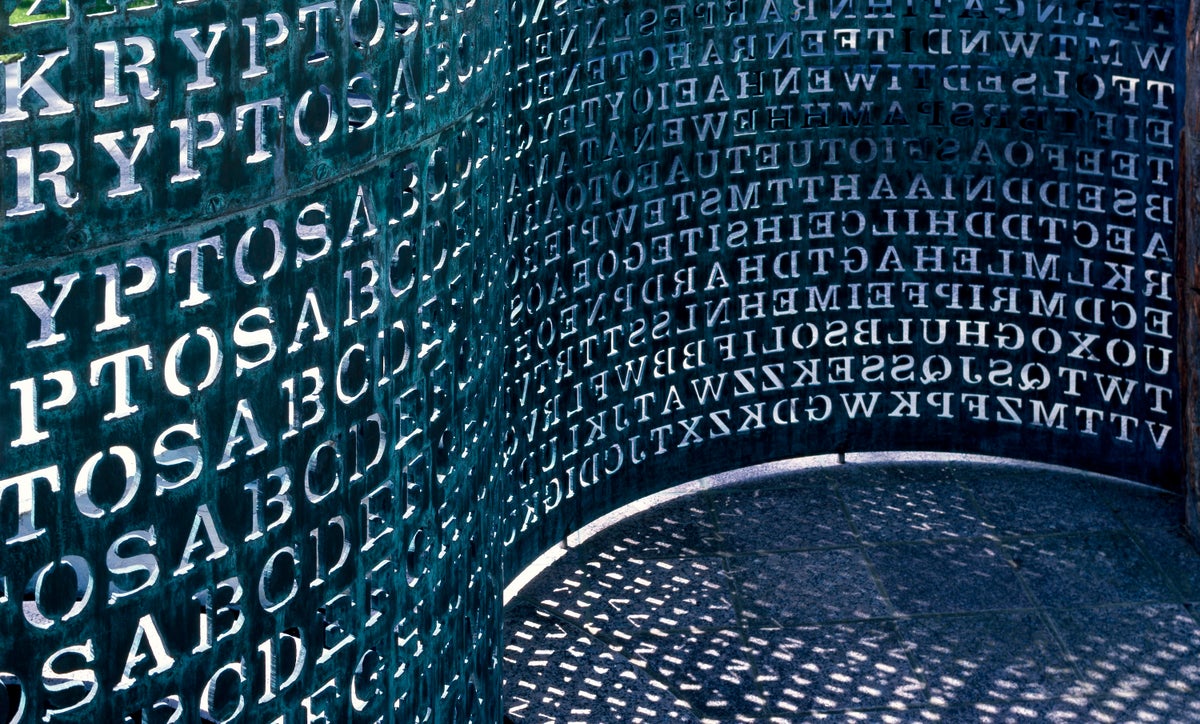
For over three decades, one of the world’s most tantalizing cryptographic mysteries has sat quietly in plain sight on the grounds of the CIA headquarters in Langley, Virginia. Kryptos, a striking copper sculpture created in 1990 by artist Jim Sanborn, has fascinated professional codebreakers, hobbyist cryptanalysts, and puzzle enthusiasts worldwide. The work consists of four encrypted passages—three of which were solved in the 1990s, but the fourth and final section, known as “K4,” remained stubbornly unsolved. Now, after 35 years of speculation and effort, the solution to K4 has finally been discovered—not by a mathematician or a cryptanalyst, but by two writers delving through an unexpected archive.
#### The Story of Kryptos
Kryptos was installed at the CIA’s headquarters in November 1990. The sculpture is more than just art; it is a cryptic challenge, inviting viewers to unravel its secrets. The work features 869 characters etched into copper sheets, separated into four passages. The first three sections, K1, K2, and K3, were solved in the 1990s by cryptographers and dedicated amateurs. These solutions revealed poetic messages referencing historical ciphers, hidden locations, and even a quote from archaeologist Howard Carter describing the moment he first glimpsed into King Tutankhamun’s tomb.
K4, however, was different. Consisting of 97 letters beginning with “OBKR,” this final passage resisted all attempts at decryption. Sanborn had always stated that anyone claiming to have solved K4 would need to show precisely how it was decoded from the ciphertext, rather than simply guessing at the plaintext.
#### Years of Obsession and a Growing Mystery
In the years since Kryptos’ installation, the unsolved K4 became a legend in cryptographic circles. Amateurs and professionals alike pored over the sculpture, shared theories in online forums, and even organized conferences dedicated to discussing possible solutions. Sanborn himself occasionally released small clues to keep interest alive, including the terms “BERLIN CLOCK” and “EAST NORTHEAST,” which were believed to be relevant to the solution of K4.
Despite considerable effort and the application of advanced cryptographic techniques, the solution remained elusive. The puzzle’s mystique only grew as it became one of the most famous unsolved codes in the world, inspiring books, documentaries, and countless blog posts.
#### The Unexpected Breakthrough
In 2025, the fate of Kryptos took a dramatic turn. Jim Sanborn, now elderly and in ill health, prepared to auction off the solution to K4. The planned sale, managed by RR Auction, was expected to fetch between $300,000 and $500,000, offering the winner not only the plaintext solution but also Sanborn’s explanation of the sculpture’s full meaning and connections to a rumored “fifth passage.”
But before the auction could take place, two writers—Jarett Kobek and Richard Byrne—made a startling discovery. While reviewing the auction listing, they noticed that Sanborn’s “coding charts” were held in the Smithsonian Institution’s archives. Sensing a possible lead, Byrne visited the Smithsonian and photographed the relevant documents. Among these were some taped-together paper scraps, which, upon closer inspection by Kobek, turned out to contain the original plaintext for K4, including the previously revealed clues “BERLIN CLOCK” and “EAST NORTHEAST.”
This chance discovery was not the result of cryptanalysis or codebreaking but rather of investigative research and a bit of luck. Kobek and Byrne quickly contacted Sanborn with their findings on September 3rd, 2025, sending him the full text they had uncovered.
#### The Artist’s Confirmation and Aftermath
Sanborn confirmed that the plaintext Kobek and Byrne had found was indeed the authentic solution to K4. He explained that he had inadvertently included these specific scraps in the documents sent to the Smithsonian years earlier, at a time when he was undergoing cancer treatment. The inclusion was unintentional—a simple archival oversight. Recognizing the sensitivity of the situation, Sanborn asked the Smithsonian to seal these particular files for the next 50 years, a request the institution honored.
The news of the solution’s accidental discovery spread quickly, sending ripples through both the cryptographic and artistic communities.